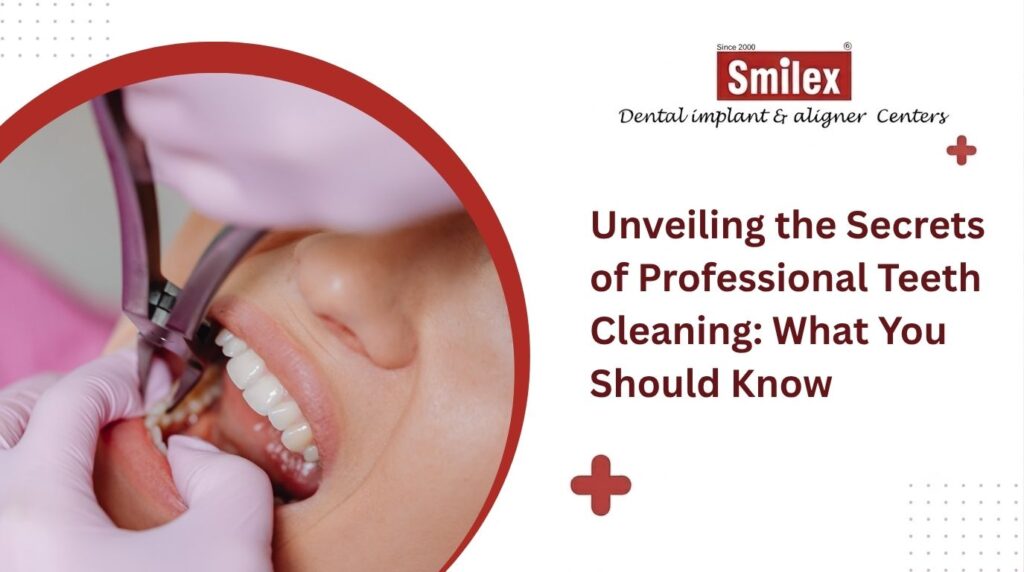
Unveiling the Secrets of Professional Teeth Cleaning: What You Should Know

A healthy smile is more than just appearance it reflects your overall dental hygiene and oral health. One of the most important yet often ignored aspects of oral care is professional teeth cleaning. Even if you brush and floss daily, plaque and tartar still build up over time, making regular visits for dental cleaning essential.At Smilex Dental Implants and Aligners Centers, we believe that preventive care is the foundation of a healthy smile. This detailed guide will help you understand everything about teeth cleaning, teeth scaling, deep cleaning teeth procedures, and oral cleaning benefits, along with why it is important to choose the best dental clinic for your care.

What is Professional Teeth Cleaning?

Professional teeth cleaning is a dental procedure performed by a dentist or dental hygienist to remove plaque, tartar, and stains from your teeth. Unlike home brushing, it ensures a deeper level of cleanliness that protects your gums and teeth from long-term damage.

This treatment usually includes:

  • Scaling (removal of tartar and plaque)
  • Polishing (for smooth and shiny teeth)
  • Fluoride treatment (in some cases)

Many people search for professional teeth cleaning near me when they notice yellow stains or gum issues—but regular cleaning can actually prevent these problems before they begin.

Why Dental Cleaning is Important

Daily brushing removes only surface debris. Over time, hardened plaque (tartar) forms, which cannot be removed without professional help. This is where dental cleaning becomes essential.

Benefits of regular oral cleaning include:

  • Prevents gum disease and bleeding gums
  • Removes bad breath-causing bacteria
  • Reduces risk of cavities
  • Improves overall dental hygiene
  • Keeps your smile naturally white

At Smilex Dental Implants and Aligners Centers, we recommend routine checkups to maintain long-term oral health.

What is Teeth Scaling?

Teeth scaling is a deep cleaning procedure that removes hardened tartar from below the gum line. This is crucial for preventing gum infections and periodontal diseases.

Many patients fear this procedure, but modern techniques ensure a comfortable and safe experience. If you’re looking for a painless professional teeth cleaning treatment, advanced scaling methods at Smilex ensure minimal discomfort.

Deep Cleaning Teeth Procedure Explained

The deep teeth cleaning and scaling procedure is usually recommended when there is excessive plaque buildup or early signs of gum disease.

It involves two steps:

  1. Scaling: Removing tartar from tooth surfaces and below gums
  2. Root Planing: Smoothing tooth roots to help gums reattach

This procedure stops new infections as well as in the restoration of gum health. 

Is Professional Teeth Cleaning Painful?

One of the most common concerns patients have is discomfort. However, at Smilex Dental Implants and Aligners Centers, we offer painless professional teeth cleaning treatment using modern tools and gentle techniques.Patients may feel slight pressure, but the procedure is generally comfortable and quick. For sensitive teeth, numbing gels or local anesthesia may be used.

How Often Should You Get Professional Teeth Cleaning?

A common question is: how often should you get professional teeth cleaning?

Dentists recommend:

  • Every 6 months for most people
  • Every 3–4 months for patients with gum disease or heavy tartar buildup 

Regular visits help maintain strong gums, fresh breath, and long-lasting oral health.

Teeth Cleaning and Polishing for White Teeth

If you want a brighter smile, teeth cleaning and polishing for white teeth is one of the best non-cosmetic treatments available.

Polishing removes surface stains caused by:

  • Tea and coffee
  • Smoking
  • Colored foods

This leaves your teeth smoother, shinier, and visibly cleaner—enhancing your natural smile without bleaching.

Affordable Professional Teeth Cleaning in Clinic

Cost is often a concern when people search for affordable professional teeth cleaning in clinic. At Smilex Dental Implants and Aligners Centers, we ensure high-quality treatment at reasonable prices.We believe dental care should be accessible to everyone, and our preventive cleaning services are designed to be both effective and budget-friendly.

Best Dental Clinic for Teeth Cleaning

Choosing the best dental clinic for teeth cleaning is important for safety, hygiene, and long-lasting results.

At Smilex Dental Implants and Aligners Centers, we offer:

  • Experienced dental professionals
  • Advanced ultrasonic scaling technology
  • Sterile and safe environment
  • Personalized oral care plans
  • Comfortable and patient-friendly approach

Our focus is not just cleaning teeth, but improving overall oral health.

Oral Cleaning and Dental Hygiene: A Lifelong Habit

Good oral cleaning habits combined with professional care ensure strong teeth for life. Even the best brushing routine cannot replace professional cleaning.

Key dental hygiene tips include:

  • Brush twice daily
  • Floss regularly
  • Avoid excess sugary foods
  • Drink plenty of water
  • Visit your dentist regularly

Together with professional dental cleaning, these habits protect your smile from long-term damage.

Who Needs Professional Teeth Cleaning?

You may need dental cleaning if you notice:

  • Yellow or brown stains on teeth
  • Bleeding gums while brushing
  • Bad breath
  • Tartar buildup near gums
  • Sensitivity or gum swelling

Ignoring these signs can lead to serious dental issues, making early treatment important.

Why Choose Smilex Dental Implants and Aligners Centers?

At Smilex Dental Implants and Aligners Centers, we focus on providing safe, effective, and comfortable dental care. Whether you need routine cleaning or advanced deep cleaning teeth procedures, our expert team ensures the best results.We are committed to helping you achieve a healthy, confident smile with advanced dental solutions.

Final Thoughts

Professional teeth cleaning is not just a cosmetic treatment—it is a vital part of maintaining good dental hygiene and preventing serious oral diseases. From teeth scaling to deep cleaning procedures, regular dental visits ensure your smile stays healthy and bright.

If you are searching for professional teeth cleaning in prabhat road, erandwane, pune, Smilex Dental Implants and Aligners Centers is your trusted destination for safe, affordable, and painless dental care.

Find the clinic here: Get direction

Call Now: +91 97654 07660

Address: 3rd Floor, Rahul Capital, Prabhat Road, Erandwane, Pune, Maharashtra 411004


Bleeding Gums…..is it a Serious Issue? What Do They Say?

Bleeding gums can be a sign that you have or may develop gum disease. Ongoing gum bleeding may be due to plaque buildup on the teeth and below the gums. This can be a sign of gingivitis which is an inflammatory condition of the gums

What is the underlying cause?

The main cause of bleeding gums is the buildup of plaque at the gum line. This will lead to a condition called gingivitis, or inflamed gums.

Plaque if not removed within 48 hours of deposition on the teeth will harden into hard deposit or tartar. This will lead to increased bleeding and a more advanced form of gum and jaw bone disease known as periodontitis which affect the supporting structures of the teeth.

Other causes of bleeding gums include

  1. Any bleeding disorders
  2. Brushing too hard
  3. Hormonal changes during pregnancy
  4. Ill-fitting dentures or other dental appliances
  5. Improper flossing
  6. Infection, which can be either in a tooth or the gums
  7. Leukemia, a type of blood cancer
  8. Scurvy, a vitamin C deficiency
  9. Use of blood thinners
  10. Vitamin K deficiency
  11. Malalignment of teeth

How do I take care at home?

Visit the dentist at least once every 6 months for calculus (hard deposits) removal. Follow your dentist’s home care instructions.

Brush your teeth gently with a soft to medium bristled toothbrush at least twice a day. Also, flossing teeth twice a day can prevent plaque from building up and turning into tartar. By far dental floss is the only way that can take care of the deposits between the teeth.

Your dentist may tell you to rinse with warm water with salt or a mouth rinse designed to treat gum inflammation suitable for you. Some rinses contain alcohol, so consult with your dentist prior to using one of these types.

It can also help to follow a balanced, healthy diet. Try to avoid snacking between meals and cut down on the carbohydrates you eat.

Other tips to help with bleeding gums

  1. Have a periodontal examination done every 6 months, especially if you’re prone to gum disease.
  2. Tobacco use can also mask other problems that cause bleeding of the gums.
  3. Control gum bleeding by applying pressure directly on the gums with a gauze pad soaked in ice water.
  4. If you have been diagnosed with a vitamin deficiency, take vitamin supplements.
  5. Avoid aspirin unless your health care provider has recommended that you take it.
  6. If side effects of a medicine are causing the bleeding gums, ask your provider to prescribe a different drug. Never change your medicine without first talking to your doctor.
  7. Use an oral irrigation device on the low setting to massage your gums.
  8. See your dentist if your dentures or other dental appliances do not fit well or are causing sore spots on your gums.
  9. Follow your dentist’s instructions on how to brush and floss so you can avoid hurting your gums.

When to contact your dentist?

Periodontists are the specialists skilled in diagnosing and treating gum disease.

Consult Your Doctor If

The bleeding is seen while brushing, spitting or eating

The bleeding is severe or long-term (chronic)

Your gums continue to bleed even after treatment

You have other unexplained symptoms with the bleeding

What To Expect At Your Dental Visit?

Your dentist will examine your teeth and gums and ask you about the problem. Your dentist will also ask about your oral hygiene habits. You may also be asked about your diet and the medicines you take.

Tests That May Be Performed Include

Blood studies such as a CBC (complete blood count)

X-rays of your teeth and jawbone

We at Smilex International Dental Centre, one of the best dental Clinics in Prabhat Road, Erandwane, Pune  are committed to provide premier dental care to all our patients. We can advise you on all the care needed to prevent gum bleeding and can help you in recognizing the early signs of gum problems, preventing progress of gingivitis to periodontitis.

If you are looking for a Periodontist near me or the best Dental hospital in Pune , then Smilex International Dental Centre is at your service. So delay no more as every 6 months checkup and timely treatment can help you in maintaining healthy teeth and gums.

Find the clinic here: Get direction

Call Now: +91 97654 07660

Address: 3rd Floor, Rahul Capital, Prabhat Road, Erandwane, Pune, Maharashtra 411004

Unveiling the Truth: A Guide to Painless Root Canal Treatments

Root canal treatment is one of the most misunderstood dental procedures. Many people associate it with pain, discomfort, and fear. However, modern dentistry has completely transformed the experience. Today, painless root canal treatment in Pune is not only possible but also quick, safe, and highly effective.At Smilex Dental Implants and Aligners Centers, patients receive advanced endodontic treatment in Pune designed to eliminate infection, relieve pain, and save natural teeth with maximum comfort. With experienced dental specialists, modern technology, and patient-focused care, Smilex Dental Implants and Aligners Centers Prabhat Road, Erandwane, Pune. has become a trusted destination for painless RCT and affordable root canal treatment in Pune.This blog will help you understand everything about root canal treatment in Pune, including symptoms, procedure, cost, recovery, benefits, and why Smilex Dental Implants and Aligners Centers is considered one of the best clinics for root canal treatment in Pune.

What is Root Canal Treatment?

A root canal treatment (RCT) is a dental procedure used to treat infection inside a tooth. When the pulp (soft tissue inside the tooth) becomes infected or damaged due to decay or injury, it can cause severe pain and swelling.During an RCT, the infected pulp is removed, the inside of the tooth is cleaned, disinfected, and sealed. This helps preserve the natural tooth and prevents extraction.Modern techniques now allow painless RCT procedures with minimal discomfort.

Symptoms That Require Root Canal Treatment

You may need infected tooth treatment in Prabhat Road, Erandwane, Pune if you experience any of the following symptoms:

  • Severe toothache while chewing or biting
  • Sensitivity to hot or cold that lingers
  • Swollen gums near the painful tooth
  • Darkening or discoloration of the tooth
  • Pus or abscess around the tooth
  • Persistent bad breath
  • Cracked or chipped tooth with pain

If you notice these signs, visiting a root canal specialist in Pune is essential to avoid complications.

How Painful is a Root Canal Treatment?

One of the most common questions is: “How painful is a root canal treatment?”The truth is, with modern anesthesia and technology, root canal treatment is not painful at all. In fact, the procedure is designed to relieve pain, not cause it.At Smilex Dental Clinics, advanced numbing techniques and precision tools ensure a pain-free root canal procedure. Most patients report feeling only mild pressure, not pain.

Single Sitting Root Canal Treatment

Thanks to modern advancements, many cases can now be treated with a single sitting root canal treatment in Prabhat Road, Erandwane, Pune.

Benefits include:

  • Faster treatment completion
  • Reduced clinic visits
  • Immediate relief from pain
  • Lower risk of reinfection
  • Improved convenience for working individuals

However, the number of sittings depends on the severity of infection and tooth condition.

Step-by-Step Root Canal Procedure

Understanding the process can help reduce fear:

1. Diagnosis & X-ray

The dentist examines the tooth and takes digital X-rays to assess infection.

2. Local Anesthesia

The area is completely numbed to ensure a painless experience.

3. Removal of Infected Pulp

The infected tissue is carefully removed from the root canals.

4. Cleaning & Disinfection

The canals are cleaned and shaped using advanced rotary instruments.

5. Filling the Canal

The cleaned canals are sealed with a biocompatible material.

6. Crown Placement

Strength and function are restored with the placement of a dental crown. 

This entire process ensures effective endodontic treatment in Pune.

Recovery After Root Canal Treatment

Recovery after an RCT is usually quick and smooth.

What to Expect:

  • Mild sensitivity for 1–3 days
  • Slight discomfort while chewing initially
  • Normal routine can resume within 24 hours

Aftercare Tips:

  • Steer clear of sticky or hard meals for a few days. 
  • Maintain proper oral hygiene
  • Take prescribed medications
  • Visit for follow-up if needed

Proper care ensures long-lasting results after root canal treatment in Pune.

Affordable Root Canal Treatment in Prabhat Road, Erandwane, Pune

Cost is an important concern for patients. The painless root canal treatment cost in Pune varies depending on:

  • Tooth location (front or molar)
  • Severity of infection
  • Number of canals
  • Type of crown used
  • Technology and equipment used

At Smilex Dental Implants and Aligners Centers, patients receive affordable root canal treatment in Pune without compromising on quality, comfort, or safety.

Best Clinic for Root Canal Treatment in Prabhat Road, Erandwane, Pune

Choosing the best clinic for root canal treatment in Pune ensures better results and long-term oral health. A good clinic should offer:

  • Experienced root canal specialists
  • Advanced rotary and digital equipment
  • Pain-free anesthesia techniques
  • Sterile and safe environment
  • Transparent pricing
  • High success rate

Smilex Dental Implants and Aligners Centers focuses on delivering high-quality painless RCT in Pune with patient comfort as the top priority.

Why Root Canal is Better Than Tooth Extraction

Many patients consider extraction as an alternative, but saving the natural tooth is always better.

Advantages of RCT over extraction:

  • Preserves natural smile
  • Maintains chewing efficiency
  • Prevents shifting of nearby teeth
  • Avoids bone loss
  • Cost-effective in long run

That’s why infected tooth treatment in Pune through root canal is highly recommended.

Conclusion

Treatment with a root canal is no longer a cause for concern. With modern dental advancements, painless root canal treatment in Pune is safe, efficient, and highly comfortable.At Smilex Dental Implants and Aligners Centers, patients receive expert care, advanced technology, and personalized treatment plans to ensure the best outcomes.If you are experiencing tooth pain or symptoms of infection, early diagnosis and treatment can save your natural tooth and prevent complications.

Frequently Asked Questions (FAQs)

1. Is root canal treatment painful?

No. With modern anesthesia, painless RCT in Pune is virtually discomfort-free.

2. How long does a root canal take?

It usually takes 30–90 minutes depending on tooth condition. Some cases are completed in a single sitting.

3. What is the cost of root canal treatment in Pune?

The cost varies depending on tooth type and complexity, but clinics like Smilex offer affordable root canal treatment in Pune.

4. How long does recovery take after RCT?

Most patients recover within 1–3 days with minimal discomfort.

5. Can I eat after root canal treatment?

Yes, but it is recommended to wait until numbness wears off and avoid hard foods for a few days.

6. What happens if I delay root canal treatment?

Delaying can lead to severe infection, swelling, and even tooth loss.

7. Is single sitting root canal possible?

Yes, in many cases single sitting root canal treatment in Pune is possible depending on infection severity

Find the clinic here: Get direction

Call Now: +91 97654 07660

Address: 3rd Floor, Rahul Capital, Prabhat Road, Erandwane, Pune, Maharashtra 411004

.

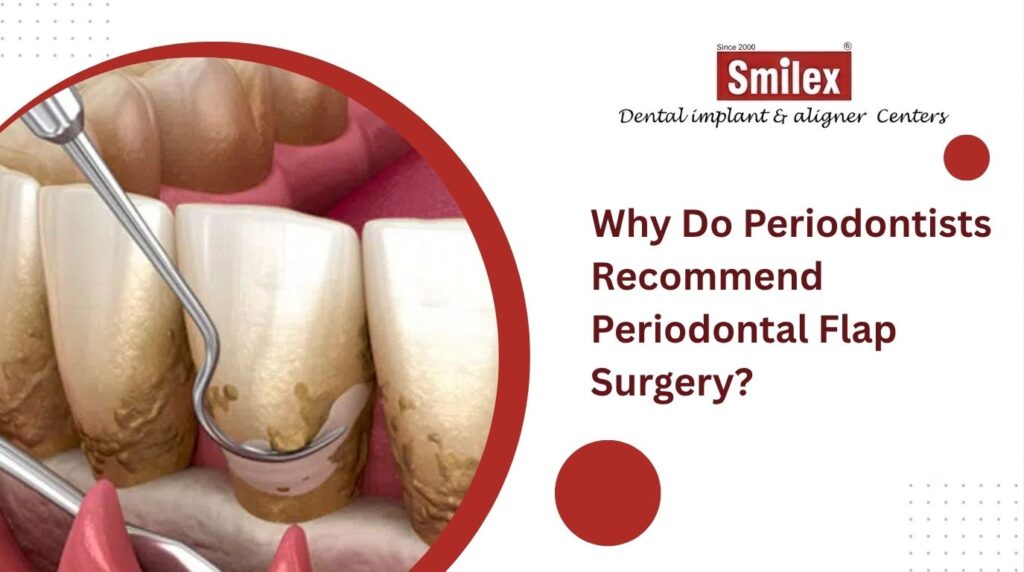
Why Do Periodontists Recommend Periodontal Flap Surgery?

Periodontal flap surgery is one of the most commonly recommended treatments for patients suffering from advanced gum disease. Also known as open flap surgery dental, gingival flap surgery, or open flap periodontal surgery, this procedure is highly effective when non-surgical treatments fail to control infection.

Gum disease, medically known as periodontitis, affects the supporting structures of teeth, including gums and bone. When bacteria accumulate below the gum line, they form deep pockets that cannot be cleaned with regular brushing or even professional scaling. In such cases, flap surgery for gum disease becomes essential.

Periodontists recommend flap surgery for periodontitis in the following situations:

  • Moderate to severe periodontitis
  • Deep gum pockets (more than 5 mm)
  • Bone loss around teeth
  • Persistent infection after scaling and root planing

If left untreated, gum disease can lead to tooth mobility and eventual tooth loss. That is why periodontitis flap surgery plays a crucial role in saving natural teeth.

What is Flap Surgery in Dentistry?

Flap surgery in dentistry is a surgical procedure where the gum tissue is gently lifted to expose the tooth roots and underlying bone. This allows the dentist to perform deep cleaning and remove infection from areas that are otherwise inaccessible.

It is commonly referred to by different names, including:

  • Dental flap surgery
  • Flap dental surgery
  • Teeth flap surgery
  • Flap treatment for teeth
  • Open flap surgery

The primary goal of periodontal flap procedures is to eliminate bacteria, reduce gum pockets, and restore healthy gum attachment.

Types of Periodontal Flap Surgery

Types of Periodontal Flap Surgery

There are different types of periodontal flap surgery depending on the severity of gum disease and bone damage:

  • Modified Widman Flap Surgery
    A commonly performed periodontal flap procedure that focuses on removing infected tissue while preserving healthy gums.
  • Apically Displaced Flap Surgery
    This type of flap gum surgery helps reduce deep pockets by repositioning the gum tissue.
  • Osseous Surgery (Bone Reshaping)
    Often combined with periodontitis flap surgery, this method reshapes damaged bone to prevent bacterial buildup.
  • Regenerative Flap Surgery
    In advanced cases, bone grafts may be used along with gum flap surgery to regenerate lost bone and tissue.

When is Flap Surgery Not Required?

Not every case of periodontal disease needs flap surgery for gums. Your dentist may recommend non-surgical treatments if:

  • Gum pockets are less than 4–5 mm
  • Infection is mild
  • Good response to scaling and root planing
  • Oral hygiene is well maintained

This helps patients understand when periodontal flap surgery becomes necessary.

Flap Surgery vs Scaling and Root Planing

Flap Surgery vs Scaling and Root Planing

Many patients confuse scaling and root planing with periodontal flap surgery.

Feature

Scaling & Root Planing

Flap Surgery Dental

Type

Non-surgical

Surgical

Depth Cleaning

Limited

Deep cleaning

Gum Access

No

Yes

Best For

Mild to moderate periodontal cases

Advanced periodontitis

This comparison clearly shows when flap surgery dental is required.

Dental Flap Surgery Procedure: Step-by-Step Guide

Understanding the dental flap surgery procedure helps reduce anxiety and prepares patients for treatment.

1. Initial Non-Surgical Therapy

Before performing open flap surgery dental, your dentist will carry out scaling and root planing. This removes plaque and tartar buildup from above and below the gum line.

2. Administration of Anesthesia

Local anesthesia is used to numb the gums, ensuring a painless flap surgery dental experience.

3. Creating the Gum Flap

A small incision is made in the gum tissue to create a flap. This step is the defining feature of open flap periodontal surgery, allowing access to deeper areas.

4. Deep Cleaning and Infection Removal

The exposed tooth roots and bone are thoroughly cleaned. All infected tissue, tartar deposits, and bacteria are removed. This is critical in flap surgery for periodontitis.

5. Bone Reshaping (Osseous Surgery)

If the bone has irregularities due to infection, it may be reshaped to prevent bacteria from accumulating again.

6. Suturing the Gums

After cleaning, the gum tissue is repositioned and stitched back in place. This completes the flap dental surgery procedure.

How Successful is Periodontal Flap Surgery?” 

Success Rate of Periodontal Flap Surgery

The success rate of periodontal flap surgery is very high when combined with proper oral hygiene. Studies show that:

  • Pocket depth reduces significantly
  • Infection is controlled effectively
  • Tooth loss risk decreases

However, long-term success depends on maintaining oral hygiene after flap surgery for gums.

Diet After Flap Surgery

After gum flap surgery, following the right diet helps in faster healing:

Recommended Foods:

  • Soft foods like khichdi, yogurt, mashed potatoes
  • Cold foods like ice cream and smoothies
  • Protein-rich foods for healing

Foods to Avoid:

  • Crunchy and hard foods
  • Spicy and hot foods
  • Sticky items

Proper diet ensures smooth recovery after flap gum surgery.

Signs You Need Periodontal Flap Surgery Immediately” 

Warning Signs You May Need Immediate Flap Surgery

You should consult a dentist immediately if you notice:

  • Severe gum bleeding
  • Deep pockets around teeth
  • Pus discharge
  • Loose teeth
  • Persistent bad breath

These are strong indicators that periodontitis flap surgery may be required.

Periodontal Flap Surgery Before and After

Many patients are curious about periodontal flap surgery before and after results.

Before Surgery:

  • Red, swollen, or bleeding gums
  • Deep periodontal pockets
  • Persistent bad breath
  • Loose or shifting teeth
  • Pus discharge in severe cases

After Surgery:

  • Reduced inflammation
  • Healthier, pink gums
  • Decreased pocket depth
  • Improved gum attachment
  • Stabilized teeth

Patients often look for gum flap surgery before and after pictures to understand the transformation. Post-surgery, gums appear tighter and healthier, improving both function and aesthetics.

Benefits of Periodontal Flap Surgery

Flap surgery in dentistry offers several advantages:

1. Deep Cleaning of Infected Areas

Unlike regular cleaning, open flap surgery dental allows access to deep pockets where bacteria hide.

2. Prevention of Tooth Loss

By removing infection, flap surgery for teeth helps preserve natural teeth.

3. Reduction in Gum Pocket Depth

This makes it easier to maintain oral hygiene after treatment.

4. Improved Gum Health

Inflammation is reduced, and gums become firm and healthy.

5. Long-Term Results

With proper care, results of periodontal flap surgery can last for years.

Post-Operative Care After Flap Surgery

After undergoing dental flap surgery, proper aftercare is essential for healing.

What to Do:

  • Take prescribed antibiotics and painkillers
  • Apply cold compress to reduce swelling
  • Eat soft and cold foods
  • Maintain gentle oral hygiene
  • Attend follow-up appointments

What to Avoid:

  • Avoid hot and spicy foods
  • Do not spit for 24 hours
  • Avoid smoking and alcohol
  • Do not engage in strenuous activities for 2–3 days

Following these guidelines ensures smooth recovery after flap dental surgery.

Flap Surgery Dental Cost in India

The flap surgery dental cost India varies depending on multiple factors.

Average Cost:

  • ₹5,000 – ₹15,000 per quadrant
  • Full mouth treatment: ₹20,000 – ₹60,000

Factors Affecting Cost:

  • Severity of gum disease
  • Dentist’s experience
  • Clinic location
  • Use of advanced technology
  • Additional procedures like bone grafting

Despite the cost, flap surgery in India is considered affordable compared to many other countries, making it a preferred choice for dental care.

Who Needs Flap Surgery for Teeth?

You may require flap surgery for periodontitis if you notice:

  • Bleeding gums while brushing
  • Gum recession
  • Chronic bad breath
  • Loose teeth
  • Deep gum pockets

Ignoring these symptoms can worsen the condition, making open flap surgery necessary.

Before & After Expectation Note

Patients searching for periodontal flap surgery before and after images should note that results vary based on disease severity, oral hygiene, and follow-up care. However, most cases show visible improvement in gum health and stability.

Risks and Complications

Although periodontal flap surgery is safe, some minor risks include:

  • Swelling and discomfort
  • Temporary tooth sensitivity
  • Mild bleeding
  • Gum recession

These side effects are temporary and manageable with proper care.

Recovery Timeline

  • Day 1–3: Mild swelling and discomfort
  • 1 Week: Sutures may be removed
  • 2 Weeks: Significant healing
  • 4 Weeks: Gums return to normal function

Healing after teeth flap surgery depends on individual oral health and adherence to aftercare instructions.

How to Maintain Results After Surgery

Maintaining oral hygiene is crucial after flap treatment for teeth:

  • Brush twice daily using a soft-bristle toothbrush
  • Floss regularly
  • Use antibacterial mouthwash
  • Visit your dentist every 6 months
  • Get professional cleaning (oral prophylaxis)

These practices prevent recurrence of gum disease after periodontitis flap surgery.

Why Choose Smilex Dental Implant & Aligner Centers Prabhat Road, Erandwane, Pune?

At Smilex Dental Implant & Aligner Centers, one of the best dental clinics in Prabhat Road, Erandwane, Pune, we are committed to providing premier dental care to all our patients. Our team of experienced specialists ensures advanced and personalized treatment for every stage of gum disease, including periodontal flap surgery, open flap surgery dental, and other modern procedures.We not only focus on treatment but also on prevention. Our experts guide you on maintaining proper oral hygiene, preventing gum disease, and recognizing early warning signs such as bleeding gums, bad breath, and gum recession. Early diagnosis can help avoid the need for complex procedures like flap surgery for periodontitis.If you are searching for a periodontist near me or the best care for flap surgery for teeth, don’t delay your treatment. Timely consultation can save your natural teeth and improve your overall oral health.Book your dental checkup today with the expert periodontists at Smilex International Dental Centre and take the first step towards healthier gums and a confident smile.

FAQs 

1. Is flap surgery painful?

No, flap surgery dental is performed under local anesthesia, making it painless. Mild discomfort may occur after the procedure.

2. How long does the procedure take?

Dental flap surgery procedure usually takes 1–2 hours, depending on the severity.

3. Can flap surgery cure gum disease?

Yes, flap surgery for gum disease effectively controls infection and prevents further damage.

4. Are results permanent?

With proper care, results of open flap surgery dental can be long-lasting.

5. Is flap surgery safe?

Yes, flap surgery in dentistry is a safe and widely performed procedure.

Final Thoughts

Periodontal flap surgery is a proven and effective solution for treating advanced gum disease. Whether referred to as open flap surgery, gingival flap surgery, or flap dental surgery, the goal remains the same—to eliminate infection, restore gum health, and save natural teeth.If you are experiencing symptoms of gum disease, early intervention is key. Consulting a periodontist and opting for flap surgery for teeth at the right time can prevent serious complications and ensure a healthy, confident smile.Remember, prevention is always better than cure. Regular dental checkups and good oral hygiene habits can go a long way in maintaining your gum health after periodontal flap surgery.Whether referred to as flap surgery dental, gum flap surgery, or flap surgery for gums, this advanced periodontal flap surgery is one of the most effective treatments for managing severe periodontal disease. Patients often search for periodontal flap surgery before and after results to understand the transformation, and the procedure consistently shows significant improvement in gum health.

Find the clinic here: Get direction

Call Now: +91 97654 07660

Address: 3rd Floor, Rahul Capital, Prabhat Road, Erandwane, Pune, Maharashtra 411004

Find the clinic here: Get direction

Call Now: +91 97654 07660

Address: 3rd Floor, Rahul Capital, Prabhat Rd, Erandwane, Pune, Maharashtra 411004

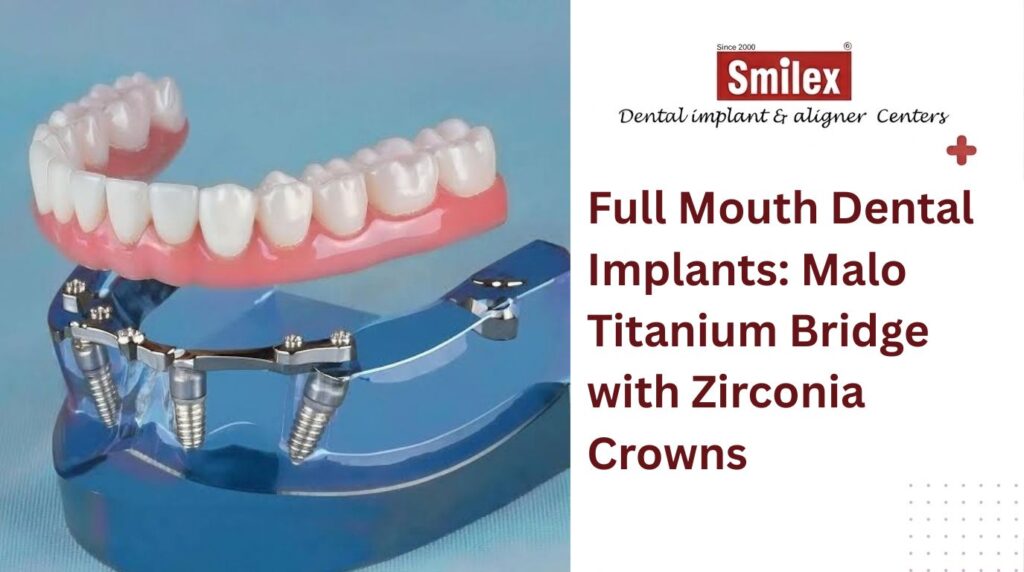
Full Mouth Dental Implants: Malo Titanium Bridge with Zirconia Crowns

Dr. Vijay Deshmukh, Chief Implantologist, Smilex Dental Implant & Aligner Centers, Prabhat Road, Erandwane, Pune, India

Loss of all teeth happens due to severe periodontal disease or high DMF index since childhood. Early multiple dental caries leads to early root canal treatment and tooth loss due to root fracture or loss of crown structure due to ill-fitting crowns.

With more than 30 years of experience in implantology, I have witnessed multiple approaches to restoring full-arch cases. Three decades ago, we were satisfied with providing overdentures supported by two implants, as patients’ expectations were minimal and primarily focused on having fixed dentures to chew food comfortably. Over the next two decades, we commonly practiced PFM bridges, also known as ceramic bridges, which are still widely used today for many cost-conscious patients. As implant dentistry evolved, patients became more informed not only about treatment options but also about factors such as durability, materials, and titanium implant cost, leading to higher expectations for long-term function, aesthetics, and value.

Last 6 years we have been working on the -4 concept by Dr. Paulo Malo. Which is giving us very good results for immediate loading and restoring those cases with hybrid -titanium dentures. Our immediate loading cases success rate is 99%. We use three different world class implant systems for immediate loading Nobel Bio care active implants, Straumann BLX implants and B&B EV implants. The advance aggressive threads are giving outstanding primary stability torque of 60 to 80 Ncm.

The use of 17- and 30-degree abutments allows us to achieve highly aesthetic results in the aesthetic zone, with screw access holes positioned more palatally for a natural appearance. Over the last three years, we have upgraded to advanced digital intraoral scanners, enabling highly accurate recording of implant positions and the surrounding soft tissue. Digital technology, combined with our in-house Cone Beam CT scan, helps us plan implant cases with precision and predictability. With digital impression technology, we can take immediate impressions after surgery without causing any discomfort to the surgical site, while also providing patients with transparent information about treatment options and the dental implant cost in Pune.

Digital scans are also helping us prepare surgical guides and also immediate temporary bridges by using PMMA 3D printing technology. All new technology is adding to accuracy in the clinical outcome, but also adding cost per procedure. Latest software, digital tools, newer learning is adding a huge learning curve for both implantologist, implant prosthodontics and implant technician. We have the best dentist in Pune, India. Our team of An implantologist has experience from 10 years to 32 years.

Best Dental Implant centres work as a team of specialist working on a common goal of giving advanced implantology. We also see a huge demand of patients of dental implants for high aesthetics. Last 3 years the latest design of Malo zirconium bridges are happily accepted by full arch implant cases. Separate zirconia crowns give a high aesthetics and also repairability of the prosthesis in case of damages to any specific tooth. Naturally these high-end Malo zirconia bridges are expensive and also need a good team to deliver them. Smilex international dental centre, pune is equipped with latest technology and expert team of best implantologist in Pune.

Our implant team works with advance technology to deliver outstanding results, so we insist all implant cases for a six-monthly follow-up and good oral hygiene care for long term success of Prosthesis. (Author can be reached on smilex.deccan@gmail.com

Find the clinic here: Get direction

Call Now: +91 97654 07660

Address: 3rd Floor, Rahul Capital, Prabhat Road, Erandwane, Pune, Maharashtra 411004

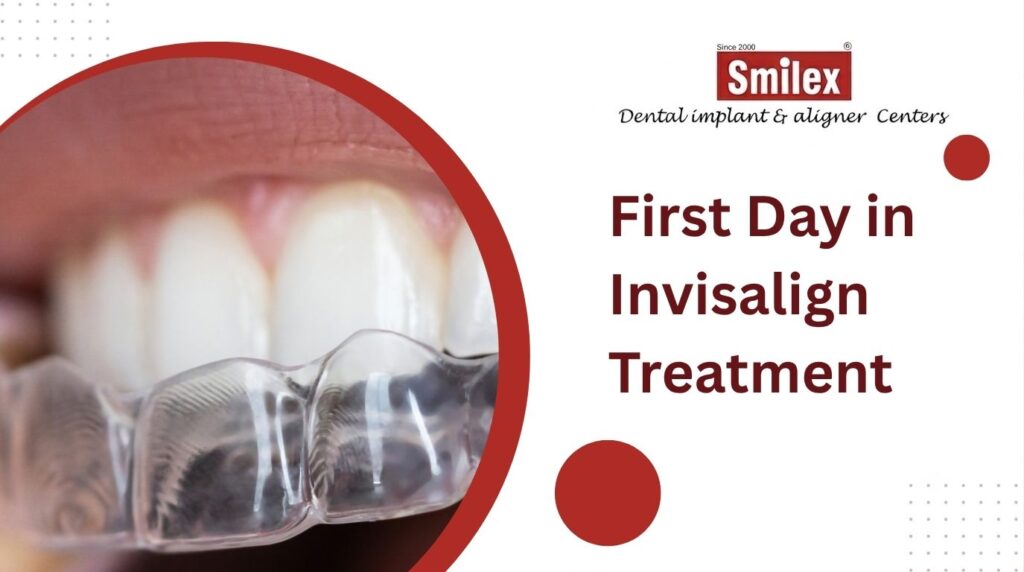
First Day in Invisalign Treatment

While You’ll Become a Pro at Wearing and Removing Your Aligners Soon Enough, There is a Learning Curve

Speaking of the need to take your aligners out and put them back in, it might seem like a pretty simple thing to do. However, it can be a little bit challenging at first, especially if you have attachments bonded to your teeth. I promise, you’ll get the hang of it in no time and be able to do it smoothly and discreetly.

To help, I’m sharing some pointers for inserting and removing Invisalign aligners.

How to Put In Invisalign Aligners

First, make sure you’re putting the correct aligner on the correct arch (i.e., upper aligner is going on the upper teeth and lower aligner is going on the lower teeth).

Push the aligner over the front teeth and then apply gentle pressure along the length of the aligner all the way to the back, so that it snaps over your molars. When your aligner is in, use your thumbs to fully seat it.

Don’t force your aligners in or try to bite them into place. If your Invisalign fit seems off or like it’s not tight enough, use your chewies or bite sticks to massage them into place.

How to Remove Your Invisalign Aligners

To remove your aligners, hook your finger over the edge of the aligner behind your back molar (on the tongue side) and pull it out and away. Repeat the process on the other side of your mouth. You can then hook your finger over the edge of the aligner behind your front teeth. Once the aligner releases, grip both sides and gently pull it all of the way out.

If you’re struggling, you can try to wiggle the tray a little to help get it off.

Never stick objects between the aligners and your teeth in an attempt to take them out because it can damage your enamel.

Make Your Invisalign Case Your New BFF

The fact that Invisalign aligners are virtually invisible and removable is a huge bonus. On the other hand, it also makes them extremely easy to lose. Whenever you take your aligners out to eat and drink (or even to brush and floss if you have pets), put them in your Invisalign case. Setting them down on a napkin or a tissue is a surefire way to accidentally throw them away, and you don’t want to have to dig through the trash to find them. If you have trouble keeping track of your case, consider storing it in a larger case like a cosmetic or toiletry bag or adorning it with flashy stickers.

Cleaning Invisalign Trays is Easy And Necessary!

As you wear your Invisalign aligners, spit and plaque will build up on them. To keep them clear and stink-free, clean them in the morning and before bed. It’s also a good idea to rinse them off before putting them back in your mouth after eating.

As for how to clean Invisalign, there are Invisalign cleaning crystals and other products available for purchase. But the easiest way is to brush your aligners with a soft-bristled toothbrush (don’t use toothpaste because it can scratch the plastic) and then rinse them in water. For a more thorough clean, you can also use a mild, unscented dishwashing/ hand wash liquid soap along with your toothbrush.

So what are you waiting for? Get your Invisalign aligners at an affordable Invisalign price in India. Visit Smilex International Dental Centre – The best dental clinic in Prabhat Road, Erandwane, Pune and get world class treatment from our highly skilled Orthodontists – best orthodontist in Pune. (Top Invisalign Provider)


Find the clinic here: Get direction

Call Now: +91 97654 07660

Address: 3rd Floor, Rahul Capital, Prabhat Road, Erandwane, Pune, Maharashtra 411004

Gum Recession Treatment Causes, Symptoms, Cost & Permanent Solutions

If your gums appear to be shrinking or your teeth look longer than before, you may be experiencing gum recession. This is a common dental problem that can lead to tooth sensitivity, gum erosion, and serious oral health issues if ignored. At Smilex, we provide advanced gum recession treatment, including non-surgical and surgical options, to restore your gum health and protect your smile.

What is Gum Recession?

Gum recession is a condition where the gum tissue pulls away from the teeth, exposing the roots. This can cause tooth sensitivity, gum damage, and even tooth loss if not treated. Early diagnosis and proper treatment can help control and restore gum health effectively.

Symptoms of Gum Recession

You may need treatment if you notice:

  • Tooth sensitivity to hot or cold
  • Teeth appearing longer
  • Visible tooth roots (teeth exposure)
  • Gum pain or discomfort
  • Loose teeth
  • Gum pulling away from teeth

What Causes Receding Gums?

Common causes include:

  • Gum disease (periodontitis)
  • Aggressive brushing
  • Poor oral hygiene
  • Tobacco use
  • Teeth grinding (bruxism)
  • Misaligned teeth or orthodontic treatment
  • Thin gum tissue (genetics)

Is Gum Recession Curable?

Gum recession cannot fully reverse naturally, but it can be effectively treated and restored with modern dental procedures.

  • Mild cases → Controlled with non-surgical treatment
  • Moderate cases → Require professional care
  • Severe cases → Need surgical treatment

Best Gum Recession Treatment Options

At Smilex, we offer complete gum restoration treatment based on severity.

1. Non-Surgical Gum Recession Treatment

Best for early and mild cases.

Scaling & Root Planing (Deep Cleaning)

  • Removes plaque and bacteria
  • Helps gums reattach to teeth

Medications

  • Antibiotics
  • Antibacterial mouthwash
  • Desensitizing agents

Benefits:

  • Cost-effective
  • Non-invasive
  • Quick recovery

2. Surgical Treatment for Gum Recession

Recommended for moderate to severe cases.

Gum Grafting (Permanent Solution)

  • Tissue is placed over exposed roots
  • Restores gum line and protects teeth
  • Most effective long-term solution

Pinhole Surgical Technique

  • Minimally invasive
  • No stitches
  • Faster healing

Flap Surgery

  • Deep cleaning under gums
  • Used in advanced gum disease

3. Advanced Gum Recession Treatment

  • Laser gum therapy
  • PRF (Platelet-rich fibrin)
  • Gum rejuvenation procedures

Gum Recession Treatment Process at Smilex

Step 1: Diagnosis

  • Gum measurement (e.g., 4 mm recession)
  • X-rays (if needed)

Step 2: Treatment Planning

  • Mild → Non-surgical
  • Severe → Surgical

Step 3: Procedure

  • Deep cleaning / grafting / laser treatment

Step 4: Recovery

  • Healing time: 1–3 weeks
  • Follow-up care required

Gum Recession Treatment Cost in India

The cost of gum recession treatment in India ranges from ₹2,000 to ₹50,000 depending on the severity and procedure.

Detailed Cost Breakdown:

Treatment Type

Cost Range

Scaling & Root Planing

₹2,000 – ₹8,000

Medications

₹500 – ₹2,000

Gum Grafting Surgery

₹15,000 – ₹40,000 per tooth

Pinhole Surgery

₹20,000 – ₹50,000

Laser Treatment

₹10,000 – ₹25,000

Factors Affecting Cost:

  • Severity of gum recession
  • Number of teeth involved
  • Technology used
  • Dentist expertise

Pros and Cons of Gum Recession Treatment

Advantages (Benefits)Limitations (Drawbacks)
Stops further gum lossSurgical treatments can be expensive
Reduces tooth sensitivityHealing time required
Improves smile aestheticsNot reversible naturally
Prevents tooth lossMaintenance needed

Can Gum Recession Be Reversed Naturally?

No, gum tissue does not grow back naturally. However, early-stage gum recession can be controlled with proper care and treatment.

Helpful Tips:

  • Use a soft toothbrush
  • Maintain good oral hygiene
  • Avoid aggressive brushing
  • Visit your dentist regularly

How to Stop Gum Recession

  • Brush gently twice daily
  • Use fluoride toothpaste
  • Avoid tobacco
  • Treat gum disease early
  • Use a night guard if you grind teeth

When Do You Need Surgery?

You may need gum recession surgery if:

  • Severe gum loss
  • Tooth roots are exposed
  • Sensitivity is high
  • Gums are pulling away significantly

What Does a Dentist Do for Gum Recession?

At Smilex, dentists:

  • Diagnose gum recession
  • Perform deep cleaning
  • Recommend surgical or non-surgical treatment
  • Restore gum tissue

Frequently Asked Questions (FAQs)

Can gum recession be reversed?

Early stages can be controlled, but advanced cases require treatment.

What is the best treatment for gum recession?

Gum grafting is considered the most effective permanent solution.

Does gum recession heal on its own?

No, it requires professional treatment.

Is gum recession treatment painful?

Most treatments are painless with modern techniques.

How long does recovery take?

Usually 1–3 weeks depending on the procedure.

What happens if gum recession is not treated?

It can lead to tooth sensitivity, bone loss, and tooth loss.

Why Choose Smilex for Gum Recession Treatment?

  • Experienced dental specialists
  • Advanced technology and techniques
  • Affordable treatment options
  • Personalized care

Conclusion

Gum recession is a common but serious dental condition that should never be ignored. If left untreated, it can lead to increased tooth sensitivity, gum damage, bone loss, and even tooth loss. The good news is that with early diagnosis and the right treatment, gum recession can be effectively managed and restored. At Smilex, patients receive comprehensive care tailored to the severity of their condition. At Smilex, our expert Dentist in Pune Prabhat Road, Erandwane, Pune provides comprehensive care tailored to the severity of your condition. From non-surgical treatments like scaling and root planing to advanced surgical solutions such as gum grafting and laser therapy, every option is designed to protect your teeth and restore healthy gums.

Find the clinic here: Get direction

Call Now: +91 97654 07660

Address: 3rd Floor, Rahul Capital, Prabhat Road, Erandwane, Pune, Maharashtra 411004

International Women’s Day: A Focus On Women’s Dental Health at Smilex

Every year on March 8 we celebrate International Women’s Day. Although it’s mostly known for celebrating and raising awareness for women’s economic, political and social achievements, we think International Women’s Day is also an important time to shine a spotlight on women’s oral health.

Unlike in the past, women are no longer confined to the four walls of their homes. They are marching out of their homes and showing us the real meaning of multitasking and excellence. Be it sports, corporate matters, politics, technology, you name it, and you’d find women calling the shots.

And this brings us to March – the month when we celebrate women! The 8th of March is celebrated as International Women’s Day – a day when you celebrate women, you celebrate sisterhood, you celebrate you!

The theme for International Women’s Day 2022 is #BeBoldForChange”, which is a call for women to demonstrate and inspire change in their everyday life. Women have unique oral health needs in different stages of their life and it’s incredibly important that we change bad oral hygiene habits and understand how these habits can affect women in later stages of life.

A woman’s oral health is essential for her overall systemic health. Certain diseases like heart disease and respiratory stroke disorders are all related to gum diseases, mainly because of the bacteria present that can be transported across the bloodstream.  As compared to men, women’s oral health is affected in several stages of life, such as puberty, mensuration, and pregnancy. Various teeth problems arise with factors like the oral contraceptive pill and menopausal stage also make women more prone to dental diseases. The surge in hormones like progesterone and estrogen, during pregnancy, causes more blood to flow to the gums, which causes them to become more sensitive. These fluctuations have a significant impact on a woman’s oral health, specifically her gums.

Moreover, women are at a greater risk for dental issues than men due to their cariogenic oral environment and frequent snacking during childhood expectations. Additionally, genetics play a vital role in determining the enamel structure, and the enamel structure explains how likely you are to undergo tooth decay. Deficiency in hormone levels may disrupt the enamel matrix formation, which increases the risk of root caries and gingival recession. If you want to improve your oral health and learn more about how different stages in women’s life can affect their oral health, and how to take care of your dental health

A healthy mind only resides in a healthy body. So, this year, why don’t you do something a little different? How about dental care? Teeth are pretty important, right? They not only help you with eating but also with speaking. They are a huge factor when it comes to your aesthetic appearance also. And naturally, they make contributing factor towards your confidence and self-esteem as well.

Why do women need to be attentive towards their oral health?

Women are always the compass of a family. Women bring their children, husbands, and parents to the dental clinic. But more often than not when they are asked if they want a check-up, they reply with a smile, “Not for me. Thanks. I am good.” But that needs to change. You need to take care of yourself to set a living example to your loved ones who you care for. In fact, being a woman demands extra dental care, thanks to the various kinds of hormonal changes.

Gum Issues

Women are bombarded with hormonal changes throughout their lifetime – sometimes due to menstruation; then you also have pregnancy and menopause. These changes take a toll on your gum health. Various gum problem in teeth arises such as your gums will feel swollen, sometimes irritated, sometimes dry and retracted. This makes your gums more vulnerable to gum diseases and recession. The best way to deal with it is to keep away plaque as far as possible. And the only way to do that is to maintain regular dental hygiene and biannual professional cleaning.

Teeth Issues

It’s not news that women are more vulnerable to bone degeneration and other bone-weakening issues. Teeth and jaws consist of bone and hence require special attention in women. Osteoarthritis and osteoporosis don’t just affect the big knee or hip bones. They can also make you lose bone density in your jaws, gums and teeth leading to tooth loss.

During pregnancy teeth, pain is also common due to changes in pain threshold levels because pregnancy causes changes in hormonal level

It’s just not after menopause that the weakening sets in. It is advisable that to keep your teeth strong and healthy, you start taking dental health supplements as soon as you hit 30 years.

Other Issues

High blood pressure, and blood sugar is also related to dental health issues. The most relatable issues will be bad breath and cavities. Many dental issues can be avoided if you have properly aligned teeth without gaps or overcrowding. You can fix your misaligned teeth with braces. Don’t worry as With Invisalign, there is now no age limit to who can get braces.

AT Smilex Dental Implant & Aligner Centers OUR EXPERT BEST ORTHODONTIST IN PUNE DR SONALI DESHMUKH can make your teeth and gums both healthy and pretty. You can get teeth scaling done; you can go for teeth whitening and even teeth straightening. Oh, and don’t worry about those ugly-looking braces – Dr Sonali our Invisalign expert offers you Invisaligns for subtle teeth straightening which is virtually invisible.

You could also get treated for more serious stuff like jaw correction, broken or chipped tooth correction, Root Canal, dental implant, by best implantologist in Prabhat Road, Erandwane, Pune DR VIJAY DESHMUKH and even oral cancer (not that you have it, but it’s always wise to get checked occasionally).

One more Smilex orthodontist DR SONALI DESHMUKH speciality is Accelerated Orthodontics where you do not have to wait prolonged periods to get your desired results. With modern tools and updated technology, dental care SMILEX takes minimal time.

Book An Appointment at Smilex Dental Implant & Aligner Centers. Sit back in the dental chair, and relax. Reflect on all that you did to make yourself a proud woman. Don’t worry about your teeth.

How does a woman’s oral health change throughout her life?

Although on average, women visit the dentist more often than men, women are more likely to experience sudden spikes in oral health issues. As only women experience more concentrated changes in their hormones, especially during pregnancy and menopause, there are a number of oral health issues which may surface at different stages of a woman’s life.

Menstruation

Many women are surprised to find out that menstruation can have a big effect on their oral health. Some women find that their gums swell and bleed prior to their period, while some may experience cold sores and mouth ulcers. Thankfully these symptoms generally disappear once your period starts; however, it’s important to understand how these can be managed. Paying extra attention to brushing and flossing the week before your period can help to deter gum disease. Due to the hormonal changes that occur during the menstrual cycle, some women experience oral changes and hygiene issues, including bright red swollen gums, swollen salivary glands, development of canker sores, or bleeding gum. An increase in hormonal levels during puberty can also be a cause of bleeding and sour gums that make them more weak and sensitive to bacteria and plaque, which can lead to gingivitis. Regular flossing, brushing, and frequent visits to the dentist can help prevent bacterial infections and oral diseases in their mouth.

Oral contraceptives

Oral contraceptive pills can be taken for a number of reasons and will often have an effect on the levels of oestrogen in your body. As your gums have a large number of oestrogen receptors, they become prone to inflammation and sensitivity.

Pregnancy

Pregnancy is a wonderful stage in a woman’s life and one may go through various unexpected symptoms during pregnancy- dental problems being one of them. Although not every woman experiences pregnancy, it can have a huge effect on her oral health.  Pregnant women are more likely to develop gingivitis due to pregnancy hormones affecting the way the gums react to plaque. This can then lead to periodontitis, which can cause loss of tissue and bone which holds the teeth firm. During pregnancy you can minimize your risks of oral health issues by brushing at least twice a day, maintaining a healthy diet, and ensuring you rinse your mouth with water if you’re unlucky enough to experience vomiting from morning sickness. It’s best to keep up your regular dental checkups during this time too  During certain stages in pregnancy, women may experience cold sores, gingival bleeding, gum irritation and mouth ulcers. Most women often get scared of these symptoms and mistake them for serious dental diseases. While it is essential to maintain dental health during these times due to the extra sensitivity in the gums, it is crucial to know that experiencing dental problems during pregnancy is normal. It is essential for expectant mothers to take good care of their teeth and gums and make frequent visits to the dentist to maintain their dental hygiene and take care of themselves and the baby.

Menopause

Menopause is a stage in women’s life that causes biological and endocrine changes that occur due to a decline in estrogen levels that causes risk of bone loss, osteoporosis and inflammation of the tissues. During this time, women undergo numerous oral changes such as a burning sensation, decreased salivary flow, altered taste and greater sensitivity to hot and cold foods and beverages, which negatively affect dental health. Women during this time experience dry mouth, sour and sensitive gums and taste sensations that can cause tooth decay and gum diseases as the saliva doesn’t moist the mouth by neutralizing acids produced by plaque. It is important for women during menopause to maintain their dental health by brushing, flossing, maintaining a healthy diet, exercising regularly and frequently visiting the dentist which helps them prevent the risk of tooth loss and oral disease in their mouth.

How we can help

Regular dental check-ups with the team at SMILEX INTERNATIONAL DENTAL CENTRE  are the best way to maintain your oral health. A 20-minute visit every 6 months is all it takes and booking appointments is easy. To book an appointment, contact the Smilex team

Let’s look at some preventive measures and tips for keeping your teeth and gums healthy across different stages of your life.

Use toothpaste containing fluoride to brush your teeth twice a day and floss at least once a day.

  • Intake of a nutritious and well-balanced diet.
  • Change your toothbrush 3 or 4 times per year
  • Avoid artificially sweetened foods and drinks.
  • Reduce intake of sugary and starchy snacks.
  • A visit in time saves nine. Consult your dentist immediately if you develop any symptoms and get them treated at the earliest.
  • Do not smoke or use smokeless tobacco
  • Make sure you visit your dentist at least twice a year to undergo professional oral examinations.

About the Clinics

SMILEX INTERNATIONAL DENTAL CENTRE has a sound reputation as one of the most trusted dental healthcare providers in the MAHARASHTRA PUNE region. We are the Pioneers Dental Care. We are the first to introduce, best dental implants in Pune and Immediate Implants to SMILEX INTERNATIONAL DENTAL CENTRE has provided outstanding dental care for more than 32 years which spells trust and reliability.

Find the clinic here: Get direction

Call Now: +91 97654 07660

Address: 3rd Floor, Rahul Capital, Prabhat Road, Erandwane, Pune, Maharashtra 411004


Reasons Why You Should Visit Your Dentist Quarterly | Smilex

Inquisitive about why you should visit dentist quarterly

Wondering why you should visit the dentist quarterly? Here you will get all the answers of your query

Having to visit the dental clinic every six months may not be the appointment that everyone looks forward to, but it is one of the most important ones to keep. If you have found yourself wondering what the point of having regular dental checkups is and cleanings really is, we’ve got something for you to think about.

If you are considering skipping a dental checkup because of cost or another factor like time or dental anxiety, make sure to consider all the risks. What you might end up paying in the long run for not visiting your dentist will likely be much higher, both for your wallet and your peace of mind. Here are some of the most important reasons why you should see your best dentist of Pune regularly:

Why is Dental Check-Up with the Best Dentist Important?

Dental checkup by the best dentist is important. Here are some reasons why?

1. Oral Cancer Detection

Oral cancer is an extremely serious disease that manifests itself in various ways. Without knowing the signs of its early onset, oral cancer is often not diagnosed and can quickly progress and become life threatening. But thankfully, an early stage oral cancer diagnosis is often easily treatable.

Smilex International Dental Center in Pune, the best dentist in Pune is highly trained  and equipped with advance technology to recognize these signs and symptoms, and with regular dental checkups every six months the likelihood of catching oral cancer in time is dramatically higher. Recognizing oral cancer in its early stages is key in treating it successfully, and while you may not notice oral abnormalities, your dentist will.

At Smilex Dental Implant & Aligner Centers, a leading dental hospital in Prabhat Road, Erandwane, Pune, dentists are highly trained and equipped with advanced diagnostic technology to detect early signs of oral cancer. Regular dental visits significantly increase the chances of early detection—when treatment is most effective.

2. Plaque, Tartar, and Cavities

Even with the most diligent daily brushers and flossers, there are still small areas in the mouth that are missed by a regular brushing and flossing. When plaque builds up it becomes more difficult to remove, solidifying and turning into tartar, which is extremely difficult to get rid of without professional help?

Regular dental cleanings prevent tartar from eroding teeth or creating holes in them, which is how cavities are created. Cavities rarely give any warning signs as they form, only resulting in a small ache once the tooth is already decayed. Once the damage has been done, you will have to go back to the dentist to have cavities and other tooth problems filled and fixed. This can all be avoided with regular cleanings that take care of plaque and tartar before it becomes destructive.

Get your  regular dental cleaning appointment by  simple search best dental clinic near me and done!   Cleaning which is also more affordable than getting a filling, so if money’s tight you should make sure not to miss the cleanings!

3. Gum Disease

Plaque and tartar buildup not only cause tooth decay but can also erode the mouth’s gum tissues. This happens when tartar buildup causes an infection where the gum is connected to the tooth, making the gum pull away from the tooth. This infection is known as gingivitis and as it progresses the tissue that attaches gums to the teeth breaks down.

Once it reaches this point it is officially gum disease, and only at this point will there likely be any swelling, bleeding, or soreness in the mouth. Along with the breakdown of gum tissue, gum disease also causes a breakdown of the bone that holds teeth in place. At this point it is common to see teeth loosening or falling out altogether and drastic treatment methods will have to be taken by best periodontist at our dental clinic in Pune

Not only do specialists require more appointments and likely a blow to your wallet, but treatment of gum disease, depending on the severity, can include surgery, extremely deep cleaning, and medication. To avoid all of this, regular dental cleanings are essential in catching and addressing gingivitis before it gets out of hand.

4.Keeping Bad Habits in Check

There are many bad habits that can have a negative impact on your oral health, some of which you may not even realize are causing issues. Some of these habits include chewing ice, biting your nails, clenching your jaw, grinding your teeth, eating particularly sticky or hard sweets, brushing your teeth too hard, drinking coffee and red wine, and of course smoking.

5. Find Problems under the Surface with X-Rays

Smilex is one of the best dental clinic in Pune having all the advanced technology competence including cbct and digital dentistry is a regular part of our dental clinic. A crucial part of visiting your dentist every six months is getting your teeth and jaw bone x-rayed. X-ray images allow dental professionals to see what is happening beneath the surfaces of your mouth, and can find and diagnose issues that may be invisible to the naked eye. Problems like this can include impacted teeth, which are growing teeth that are blocked from pushing through the gum line, as often seen in wisdom teeth.

Damage to the jawbone can also be pinpointed as well as any bone decay, swelling, cysts, or tumours, all of which are impossible to actually see without x-ray imaging. Finding these or any other major oral issues as soon as possible is critical in order to properly treat them.

Especially with destructive diseases that show little to no symptoms but progress quickly, up-to-date x-rays and quarterly checkups are the best way to keep on top of your health.

6. Head, Neck, and Lymph Node Checks

In addition to checking your mouth, gums, and tongue for signs or oral cancer, your dentist will also check your neck, jaw, and lymph nodes, located just below your jawline, for any swelling, lumps, or other abnormalities. If an abnormality is found it could be a sign of a major health issue, and your dentist  at Smilex Dental Implant & Aligner Centers will alert you to it and refer you the appropriate medical professional.

Here’s wishing you a great year of oral health!

Frequently asked questions

While it’s true that visiting the dentist twice a year is a good rule of thumb for many people, the truth is that you have your own unique smile needs. So it depends on your oral hygiene, habits, and individual medical conditions.

Some people only need to visit the dentist once or twice are year, while others may need to go more often. So, always remember to ask your dentist in Pune when you should schedule your next appointment. And don’t worry! They’ll probably tell you when they want to see you next anyway.

Some people need to visit the dental clinic  more than twice a year. But who? People with a greater risk of dental disease and other health conditions may need to see the dentist every three months or more. This higher-risk group includes:

  • Pregnant women
  • Smokers
  • Diabetics
  • People with gum disease
  • People with a weak immune response
  • People who are prone to cavities or plaque build-up

Even if you brush twice a day and floss daily, you still need to visit a dentist regularly! Your dentist and dental hygienist are trained to check for problems that you might not see or feel on your own. Some things, like cavities or gum disease, aren’t even visible or painful until they’re more advanced. When it comes to oral cancer, the IDA suggests that your dentist can diagnose early signs of oral cancer.

Because the issue might either be preventable or more easily treated when caught early (like oral cancer), seeing a dentist regularly matters. With regular visits, to dental clinic will find solutions to any red flags that will save you time, discomfort, and even money in the long run.

The best thing you can do to keep your dental visits to a minimum is to maintain good oral hygiene. So, make sure to brush your teeth twice a day and clean between your teeth daily using floss, interdental brushes, or an oral irrigatorNow you know that how often you need to visit the dentist depends on your unique smile situation. For some people, like smokers and diabetics, it may be more often. But no matter what, visiting the dentist is a preventative measure that improves your overall health and makes things easier for you in the long run. If you keep up with your daily hygiene, your dentist may even cut back on your required dental appointments. Remember to always follow your dentist’s advice in terms of your next appointment. And if it’s been a while, it’s time to respond to that text, call, or email from your dentists’ office for your 6-month dental check-in.we at smilex international dental centre best dentist in Pune keep regular follow ups without a miss!

Bottom of Form

The Dental Examination:

The dentist will assess the health of your teeth and gums by:

  • Examining the gums
  • Looking for signs of gum disease
  • Checking for loose teeth
  • Examining your tongue
  • Checking your bite
  • Looking for visual evidence of tooth decay
  • Checking for broken teeth
  • Checking for damaged fillings
  • Looking for changes in the gums covering teeth
  • Evaluating any dental appliance you have
  • Checking the contact between your teeth
  • Taking X-rays

What are the 8 Signs you may need Dental Check-up immediately:

  • Tooth Pain
  • Annoying and Persistent Canker Sores
  • Strong tooth sensitivity to Hot and Cold
  • Swollen Gums and frequently bleeding gums
  • White spots on teeth
  • Constant dry mouth
  • Chronic Headaches
  • Changes in the Mouth/Tongue color

At the dental check-up the dentist if there are any signs of cavities. X-rays might be taken to detect cavities between your teeth. The dentist will also examine signs of plaque and tartar on your teeth.

  • If you are visiting a new dentist. Please provide them with your dental history for a better understanding of your case.
  • Brush your teeth and floss before the check-up
  • Avoid Tea, Coffee, and Soft drinks before the check-up
  • Check your appointment date and time of your check-up

A dental check-up should take around 10 to 15 minutes. It can take a little longer if the dentist finds any dental issues.

Expert opinion

  • Dr Vijay Deshmukh, best implantologist in Pune says “Dental check-ups will decrease the potential for all oral health problems becoming serious. While they may show you that immediate action is your best option, in the end, this will save you money compared to paying for more expensive major dental works later on.”
  • Dr Sonali Deshmukh, best orthodontist in Pune says “Regular dental visits are important because they help to keep your teeth and gums healthy. During the dental check-up, your dental professional will check your overall oral health for any trouble areas.”
  •  “Many times individuals are not able to find if they have any dental threats. A dental checkup assures you are free from the risk.”

Why You Should Say ‘Yes’ to Fluoride Treatments?

Fluoride treatments are a highly effective way to protect your teeth from decay, strengthen enamel, and maintain a bright, healthy smile. Whether you’re a child or an adult, fluoride application plays an important role in preventing dental issues and improving oral health. If you’re looking to boost your smile’s health, professional fluoride treatments could be exactly what you need.we’ll dive into everything you need to know about fluoride treatments: their benefits, who should get them, the different types available, and why Smilex Dental Implant & Aligner Centers is the best place to receive your fluoride treatment in pune.

What is Fluoride Treatment?

Fluoride treatment for teeth is a professional dental procedure in which fluoride, a mineral known for its protective properties, is applied to the teeth to help prevent cavities and strengthen the enamel. The fluoride can be applied in several forms, including gels, foams, and varnishes. These treatments provide a concentrated dose of fluoride to protect your teeth from decay and enhance overall oral health.Fluoride helps remineralize weakened enamel, making it more resistant to decay. It can be applied topically by a dentist or hygienist, offering stronger protection than fluoride found in toothpaste or drinking water.

Benefits of Fluoride Treatment

Fluoride treatments offer a wide array of benefits for both children and adults. Here’s how fluoride can improve your oral health:

1. Strengthens Tooth Enamel

Fluoride application helps remineralize enamel, making your teeth more resistant to harmful acids and bacteria that cause cavities. The stronger the enamel, the less likely it is to decay, which means fewer fillings and dental procedures in the future.

2. Prevents Cavities

The primary benefit of fluoride treatments is their ability to prevent cavities. Fluoride acts as a shield that makes it difficult for bacteria to break down your tooth’s enamel, reducing the likelihood of developing cavities.

3. Protects Sensitive Teeth

Fluoride treatments for sensitive teeth provide relief by reducing tooth sensitivity. The fluoride strengthens the enamel and can block the pathways that lead to pain, making it easier to enjoy hot, cold, or sweet foods without discomfort.

4. Safe and Effective for Kids and Adults

Fluoride treatments are suitable for both children and adults. For kids, fluoride treatments can be particularly beneficial during the early years when their permanent teeth are developing. For adults, especially those with a history of cavities or gum disease, fluoride can help preserve their teeth and prevent further damage.

5. Enhances Overall Oral Health

Regular fluoride treatments can contribute to better oral health by reducing plaque buildup and promoting a cleaner, healthier mouth. Healthy teeth help improve self-esteem and overall health, as dental issues can lead to other health problems.

Who Needs Fluoride Treatment?

Fluoride treatments are beneficial for people of all ages, from children to adults.  Here’s who can benefit the most from fluoride application:

Fluoride Treatment for Kids

Children are especially vulnerable to tooth decay as their enamel is still developing. Fluoride treatments can help prevent cavities and strengthen their developing teeth. Dentists typically recommend fluoride treatments for children starting at the age of three and continuing as needed through their teen years.

Fluoride Treatment for Adults

Adults with weakened enamel, a history of cavities, or those suffering from dry mouth can benefit from fluoride treatments. People with sensitive teeth, those undergoing orthodontic treatment, or individuals who frequently consume sugary or acidic foods should also consider fluoride treatments to reduce their risk of decay.

Types of Fluoride Treatments

There are several types of fluoride treatments available, each designed to meet different dental needs. The most common forms include:

1. Fluoride Gel

A fluoride gel is typically applied in a dental tray that fits over your teeth for a few minutes. It’s one of the most common methods of fluoride application and is effective in delivering a high concentration of fluoride to protect your enamel.

2. Fluoride Varnish

Fluoride varnish is a sticky gel that is brushed onto your teeth and hardens quickly. This treatment is often preferred for children because it is easy to apply and doesn’t require special equipment. Fluoride varnish can stay on the teeth longer, providing a prolonged effect.

3. Fluoride Foam

Fluoride foam is applied to the teeth in a similar way to gel, but it has a lighter consistency. The foam is often used in both children and adult treatments as it’s quick and easy to apply.

Why Choose Smilex Dental Implant & Aligner Centers for Fluoride Treatment?

When it comes to your oral health, you want to choose a trusted dentist who understands your needs and provides high-quality care. Here’s why Smilex Dental Clinic is the best choice for fluoride treatments:

  • Expertise: Our dentists are experienced in providing fluoride treatments and are dedicated to helping you maintain optimal oral health.
  • Personalized Care: We understand that every patient is different, and we tailor fluoride treatments based on your specific oral health needs.
  • Safety: Your safety is our priority. We only use the highest quality fluoride materials to ensure safe and effective results.
  • Comfortable Environment: We pride ourselves on offering a welcoming, comfortable environment where you can receive professional care without any stress.

Cost of Fluoride Treatment in Prabhat Road, Erandwane, Pune

The cost of fluoride treatment can vary based on factors such as the type of treatment and the dental clinic you visit. , fluoride treatments generally range from We offer competitive pricing, and our team will work with you to ensure the treatment is affordable. Additionally, many dental insurance plans cover fluoride treatments, especially for children.

FAQs 

1. What is fluoride treatment for teeth, and how does it work?

Fluoride treatment involves applying fluoride, a mineral, to your teeth to prevent decay and strengthen enamel. It helps remineralize areas of the enamel that may have been weakened by acid and bacteria, making your teeth more resistant to cavities.

2. How often should you get fluoride treatment?

For children, fluoride treatments are typically recommended every 6-12 months, depending on their oral health needs. Adults with a high risk of cavities may also benefit from treatments every 6-12 months.

3. Is fluoride treatment safe for kids?

Yes, fluoride treatment is safe for kids when applied by a dental professional. It helps protect their developing teeth and reduces the risk of cavities.

4. Can fluoride treatment help with sensitive teeth?

Yes, fluoride treatment can reduce tooth sensitivity by strengthening the enamel and protecting the nerves within your teeth from irritants like cold or hot foods.

Ready to Protect Your Smile? Book Your Fluoride Treatment Today!

If you’re looking for an effective and professional way to protect your teeth from decay, fluoride treatment is a simple and powerful solution. Whether you’re seeking fluoride treatment for your child or yourself, our team at Smilex Dental Implant & Aligner Centers is ready to help you achieve a healthier, brighter smile.Contact us today to schedule your appointment for fluoride treatments in Pune. Protect your teeth, strengthen your enamel, and enjoy better oral health!

Conclusion

Fluoride treatment is a quick and powerful way to maintain your oral health. Whether for yourself or your child, Smilex Dental Clinic in Pune is ready to help you strengthen your smile. Book your appointment today and enjoy healthier, cavity-free teeth!

Book your Invisalign consultation today:

Call +91 97654 07660

Find the clinic here:Get Direction

Address: 3rd Floor, Rahul Capital, Prabhat Road, Erandwane, Pune, Maharashtra 411004


icon
icon