How often should I go to the dentist?

How often should I go to the dentist? It’s a question most people push aside until pain, bleeding gums, or a chipped tooth forces them into the chair. Skipping regular dental visits might feel harmless, but behind the scenes, cavities, gum disease, and even early signs of oral cancer can quietly develop. Ignoring checkups risks your smile and can cost far more in treatment later. This blog will explain how frequently you should see a dentist, why it matters, and how staying consistent can save your teeth, health, and wallet.

How Often Should I Go to the Dentist? The General Rule Explained

Most people have heard the advice: see your dentist twice a year. But is that truly the golden rule? Dentists generally advise booking a checkup and cleaning twice a year. This timing allows dentists to catch cavities, gum disease, and other oral health problems before they turn serious. However, depending on your oral health history, you might need more frequent visits.

Why Regular Dental Checkups Are More Than Just Cleaning

But an appointment isn’t just about shiny teeth. During routine visits, dentists check for early signs of cavities, gum disease, oral cancer, and even systemic health issues that can show symptoms in the mouth. Regular visits are your first defence against problems quickly becoming painful and expensive.

What Happens If You Skip Dental Visits for Too Long?

Skipping dental appointments may seem harmless until problems surface. Left untreated, cavities grow deeper, gum inflammation can progress into periodontal disease, and bad breath often worsens. In severe cases, ignoring routine visits can even lead to tooth loss. Plus, treatments for advanced conditions cost far more than preventive care.

Factors That Affect How Frequently You Should See a Dentist

While the six-month guideline works for many, several factors influence how often you should go to the dentist:

  • Oral hygiene habits – If you brush and floss diligently, you may get by with twice a year.
  • Diet – High sugar intake can increase cavity risk, requiring closer monitoring.
  • Medical conditions – Diabetes, pregnancy, or dry mouth can make dental problems more likely.
  • History of dental issues – If you’ve had gum disease or tend to get cavities often, your dentist may suggest coming in every three to four months.

How Often Children Should Go to the Dentist vs. Adults

Children should see a dentist every six months starting from their first birthday or when their first tooth appears. These visits help prevent cavities, track tooth eruption, and encourage positive habits. For adults, twice-yearly visits are the baseline, but the frequency may increase if risk factors exist.

Do Seniors Need More Frequent Dental Checkups?

Yes. Seniors are at greater risk of gum disease, dry mouth (often caused by medications), oral cancer, and tooth loss. These recommendations often point to deeper issues that need closer monitoring. Regular exams ensure early detection and smoother management of age-related dental concerns.

Signs You Should See a Dentist Sooner Than Your Next Appointment

Sometimes waiting until your next scheduled cleaning isn’t enough. Book a dental visit right away if you notice:

  • Persistent tooth pain or sensitivity
  • Bleeding gums
  • Bad breath that won’t go away
  • Loose teeth or shifting bite
  • Mouth sores that don’t heal

These can be signs of underlying problems that need immediate attention.

Preventive Benefits of Visiting the Dentist Twice a Year

See your dentist as a teammate in maintaining oral health. Routine checkups catch minor issues before they turn serious. Professional cleanings remove tartar you can’t reach at home, fluoride treatments strengthen enamel, and exams help spot early warning signs. Prevention is always simpler—and more affordable—than treatment.

How Dental Visits Can Save You Money in the Long Run

While avoiding visits may look like a way to cut costs, it often leads to bigger expenses later.  A routine cleaning costs far less than a root canal or dental implant. Regular visits can also prevent missed workdays caused by tooth pain or infection. In short, routine dental visits invest in your health and budget.

Final Take:

So, how often should you go to the dentist? For the majority, a dental visit every six months works best. But your dentist may recommend a personalised schedule depending on your needs. The key is consistency—making routine visits a non-negotiable part of your health plan. It’s the easiest way to protect your teeth, avoid expensive procedures, and keep your smile strong and confident.

Modern Best Dental Clinic in Deccan Gymkhana Pune for Safe & Painless Treatment

The best dental clinic in Deccan Gymkhana, Pune is typically one that offers comprehensive dental care under one roof, including routine check-ups, teeth cleaning, root canal treatment, dental implants, clear aligners, braces, cosmetic dentistry, and wisdom tooth treatment. Leading clinics in this area use advanced technology such as digital X-rays, CBCT scans, and strict sterilization protocols to ensure accurate diagnosis, painless procedures, and safe, effective treatment for patients of all age groups.

Frequently Asked Questions (FAQs)

1: How do I identify the best dental clinic in Deccan Gymkhana Pune?

Look for clinics with experienced dentists, modern diagnostic equipment, transparent treatment planning, and good patient reviews.

2: Do top dental clinics in Deccan Gymkhana use advanced technology?

Yes, many reputed clinics use digital X-rays, CBCT scans, and modern sterilization systems for precise and safe dental care.

3: What treatments are usually available at the best dental clinics in Deccan Gymkhana?

They commonly offer preventive, restorative, orthodontic, cosmetic, and surgical dental treatments under one roof.

4: What dental treatments are available with a dentist in Deccan Gymkhana Pune?

Dentists in Deccan Gymkhana offer preventive, restorative, orthodontic, cosmetic, and surgical dental treatments under one roof.

5: Do dental clinics in Deccan Gymkhana use advanced technology?

Yes, many clinics are equipped with digital X-rays, CBCT scans, and modern sterilization systems.

6: Is Deccan Gymkhana a good area to find a dentist in Pune?

Yes, Deccan Gymkhana is a central and well-connected area in Pune with access to experienced dentists providing modern, patient-focused dental care.

Family Dental Clinic in Deccan Gymkhana Pune for All Dental Needs

A dentist in Deccan Gymkhana, Pune provides comprehensive dental care including routine dental check-ups, teeth cleaning, dental fillings, root canal treatment, dental implants, clear aligners, braces, cosmetic dentistry, and wisdom tooth treatment. Dental clinics in this area use modern diagnostic tools such as digital X-rays and CBCT scans to ensure accurate diagnosis, painless procedures, and safe, effective treatment for patients of all age groups.

Find the clinic here: Get direction

Call Now: +91 97654 07660

Address: 3rd Floor, Rahul Capital, Prabhat Road, Erandwane, Pune, Maharashtra 411004


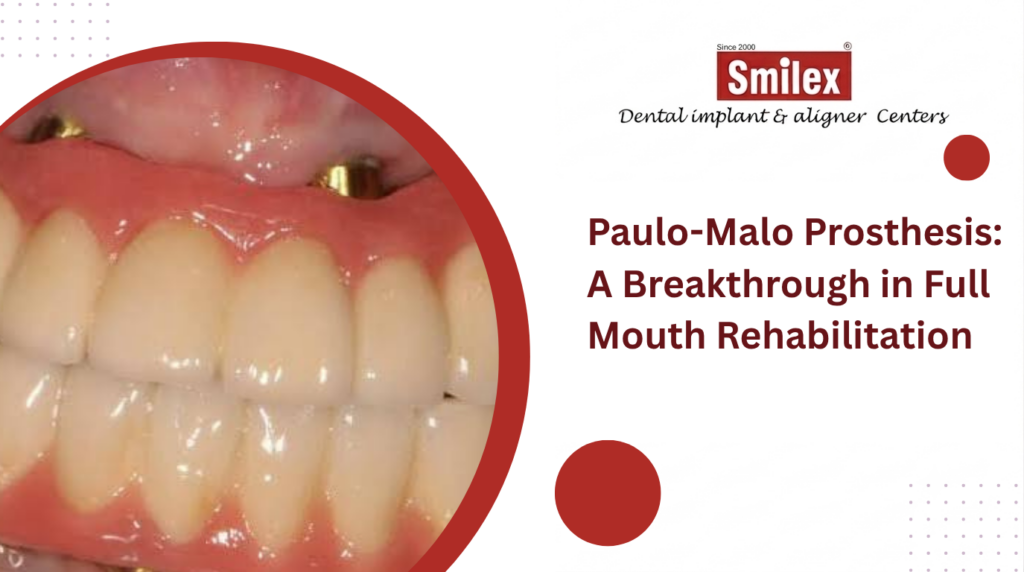
Paulo-Malo Prosthesis: A Breakthrough in Full Mouth Rehabilitation

Modern dentistry has evolved to offer patients faster, more reliable, and more comfortable solutions for missing teeth. One of the most innovative techniques in full-mouth rehabilitation is the Paulo-Malo Prosthesis – a treatment concept that has transformed the lives of patients around the world. At Smilex Dental Implant and Aligner Centres, Prabhat Road, Erandwane, Pune, we are proud to bring this advanced prosthetic solution to our patients who seek a permanent, natural-looking, and functional smile.

What is the Paulo-Malo Prosthesis?

The Paulo-Malo Prosthesis is a full arch, fixed dental implant-supported restoration designed to replace all missing teeth in the upper or lower jaw. It is based on the internationally recognized All-on-4 concept introduced by Dr. Paulo Malo, which involves placing four strategically angled implants to support a complete arch of teeth.

This approach maximizes available bone, often eliminating the need for extensive bone grafting, and provides patients with a stable, long-term solution in significantly less time compared to traditional implant methods.

Key Advantages of Paulo-Malo Prosthesis

1. Fixed and Permanent Solution

Unlike removable dentures, the Paulo-Malo Prosthesis is fixed in place. Patients enjoy the security of teeth that don’t slip, move, or cause discomfort.

2. Immediate Function

With this technique, many patients can receive a fixed prosthesis on the very same day as their implant surgery – restoring function and aesthetics almost instantly.

3. Optimal Use of Available Bone

The angled placement of implants minimizes the need for bone grafts, making it ideal for patients with reduced bone volume in the jaw.

4. Natural Aesthetics

The prosthesis is custom-designed to mimic natural teeth and gums, giving patients a confident, radiant smile.Each tooth crown is separately cemented giving it a very natural look.

5. Comfort & Stability

Because the prosthesis is supported by implants, it feels comfortable and secure, enabling patients to chew, speak, and smile naturally.

6. Preserves Jawbone Health

Implants act like natural tooth roots, stimulating the jawbone and preventing the bone loss that often occurs with missing teeth or removable dentures.

7. Long-Term Durability

With proper care and regular dental check-ups, the Paulo-Malo Prosthesis can last for many years, offering a predictable and cost-effective full mouth solution.

Who Can Benefit from Paulo-Malo Prosthesis?

  • Patients with multiple missing teeth or complete tooth loss
  • Denture wearers unhappy with loose or uncomfortable prostheses
  • Patients with reduced jawbone density who wish to avoid complex grafting procedures
  • Individuals seeking a faster, permanent, and more aesthetic solution to full mouth rehabilitation

Why Choose Smilex Dental Implant and Aligner Centres?

At Smilex Dental Implant and Aligner Centres, we combine expertise, advanced technology, and international protocols to deliver world-class implant dentistry. Our team has extensive experience with the Paulo-Malo Prosthesis, ensuring every patient receives a customized, comfortable, and life-changing smile transformation.

Find the clinic here: Get direction

Call Now: +91 97654 07660

Address: 3rd Floor, Rahul Capital, Prabhat Road, Erandwane, Pune, Maharashtra 411004


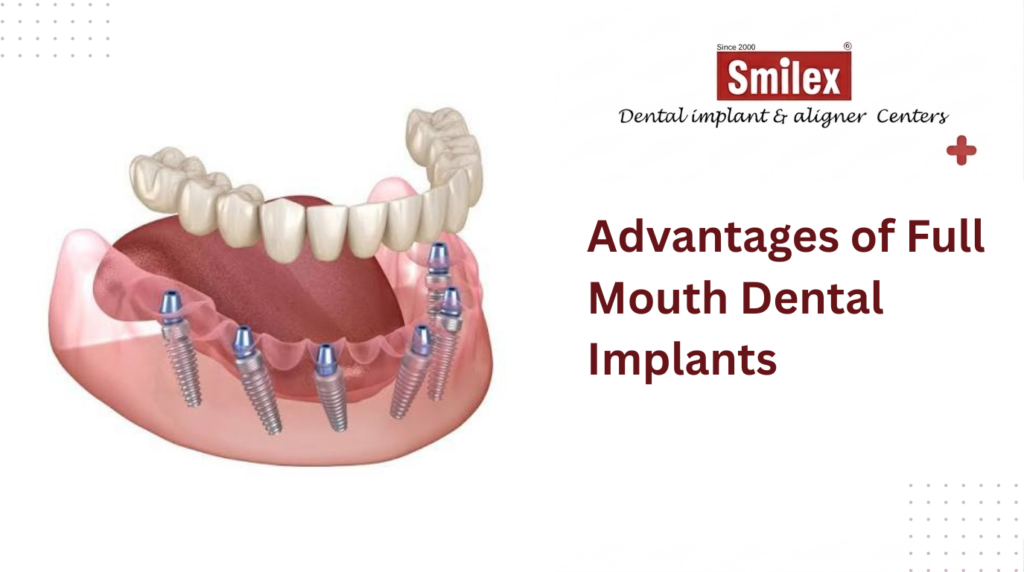
Advantages of Full Mouth Dental Implants

A healthy smile is more than just aesthetics—it reflects confidence, functionality, and overall well-being. For patients who have lost most or all of their teeth, full mouth dental implants have become a revolutionary solution, offering life-changing benefits compared to traditional dentures. At Smilex Dental Implant and Aligner Centres, Prabhat Road, Erandwane, Pune, we specialize in advanced implant dentistry, helping patients regain not only their smile but also their quality of life.

One of the most commonly asked questions is about the full mouth dental implants cost. The cost varies depending on factors such as the number of implants required, bone quality, and the type of prosthetic teeth used. Many patients also consider the All-on-4 dental implants cost, a popular technique that uses just four strategically placed implants to support a full arch of teeth, making it a more efficient and cost-effective option for full mouth restoration.

Full Mouth Dental Implants

Advantages of Full Mouth Dental Implants

1. Restore Natural Functionality

Full mouth implants provide unmatched biting and chewing ability, allowing patients to enjoy their favorite foods without discomfort or restrictions. Unlike dentures, there is no slipping or clicking – just natural, confident eating.

2. Preserve Jawbone Health

When teeth are missing, the jawbone gradually shrinks due to lack of stimulation. Dental implants act like natural tooth roots, stimulating the bone and preventing bone loss, thereby maintaining the natural shape of the face.

3. Long-Lasting Solution

With proper care, full mouth implants can last for decades, making them a cost-effective investment in the long run. Traditional dentures often require frequent adjustments and replacements, but implants are designed for durability.

4. Enhanced Aesthetics

Implants look and feel like natural teeth. They restore a beautiful, natural-looking smile, which can dramatically improve self-esteem and confidence in both personal and professional life.

5. Improved Comfort and Stability

Unlike removable dentures that may cause sore spots or irritations, implants are fixed securely in place. Patients experience a stable, comfortable solution that feels just like their natural teeth.

6. Better Speech

Missing teeth or ill-fitting dentures can affect speech. With implants, patients can speak clearly and confidently without worrying about dentures slipping.

7. Low Maintenance

Full mouth implants are easy to maintain with regular brushing, flossing, and dental check-ups. No adhesives, soaking solutions, or special cleaning routines are required.

8. Boosted Confidence and Quality of Life

Perhaps the most valuable advantage is the emotional and psychological benefit. A complete, natural smile allows patients to laugh, eat, and socialize without hesitation, significantly enhancing overall quality of life.

Why choose Smilex Dental Implant and Aligner Centers, Prabhat Road, Erandwane, Pune?

At Smilex Dental Implant and Aligner Centres, our team of experienced implant specialists uses advanced technology and international protocols to deliver precision, comfort, and excellence in full mouth implant treatments. Every treatment is customized to suit individual needs, ensuring optimal results and patient satisfaction, while also providing transparent guidance on the cost of dental implants in Pune to help patients make informed decisions.

Transform your smile. Restore your confidence. Reclaim your life with full mouth dental implants at Smilex International Dental Centre.

Find the clinic here: Get direction

Call Now: +91 97654 07660

Address: 3rd Floor, Rahul Capital, Prabhat Road, Erandwane, Pune, Maharashtra 411004


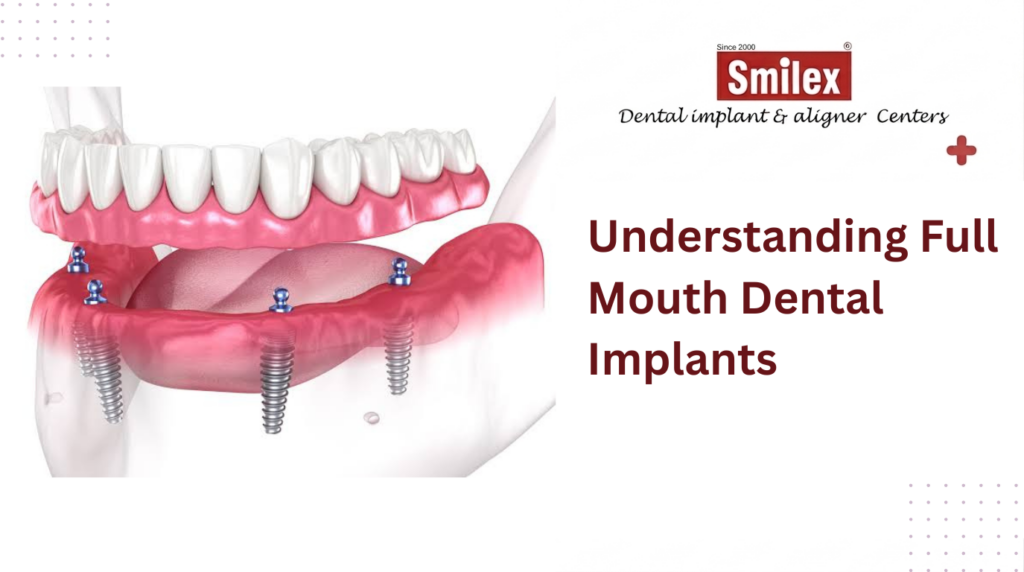
Understanding Full Mouth Dental Implants

Are you struggling with missing teeth, difficulty chewing, or hiding your smile due to dental issues? You’re not alone—and the good news is, there’s a permanent solution. At Smilex Prabhat Road, erandwane, Pune, we offer advanced complete mouth dental implants that restore your smile, confidence, and oral function. Whether you’re looking for full mouth dental implants, all on 6 and 4 implants in Pune, or implant supported overdentures in Pune, our expert team provides customized and long-lasting solutions.

Book Your Free Consultation Today

Call Now: +91 97654 07660

What Are Full Mouth Dental Implants?

Full mouth dental implants are a comprehensive treatment designed to replace all missing or severely damaged teeth in the upper and/or lower jaw.Instead of replacing each tooth individually, a set of dental implants is strategically placed into the jawbone to support a full arch of prosthetic teeth. These implants act as artificial tooth roots, ensuring stability, durability, and a natural appearance.

This treatment is also known as:

  • Complete mouth dental implants
  • Whole mouth dental implants
  • Dental full mouth implants
  • Permanent full mouth dental implants

Types of Full Mouth Dental Implants at Smilex Dental

At Smilex Dental, we offer multiple treatment options depending on your oral condition, bone density, and budget:

1. All-on-4 Dental Implants

All on 4 Implants
  • Uses 4 implants to support a full arch
  • Ideal for patients with reduced bone density
  • Immediate temporary teeth possible
  • Cost-effective solution

2. All-on-6 Dental Implants

All-on-6 Dental Implants
  • Uses 6 implants for enhanced stability
  • Better load distribution and durability
  • Suitable for long-term performance
  • Recommended for moderate bone density

3. Implant Supported Overdentures in Pune

  • Removable dentures supported by implants
  • More stable than traditional dentures
  • Easy to clean and maintain
  • Budget-friendly alternative

4. Permanent Full Mouth Dental Implants

  • Fixed, non-removable teeth
  • Closely mimic natural teeth
  • Long-lasting and highly durable
  • Best for patients seeking a permanent solution

Who Needs Full Mouth Dental Implants?

You may be an ideal candidate for dental implants for full mouth if you:

  • Have multiple missing teeth
  • Wear loose or uncomfortable dentures
  • Suffer from severe tooth decay or gum disease
  • Experience difficulty in chewing or speaking
  • Want a permanent, natural-looking solution

Full Mouth Dental Implant Treatment Process

At Smilex Dental Pune, we follow a structured and advanced approach to ensure safe and effective treatment:

Step 1: Consultation & Diagnosis

  • Comprehensive oral examination
  • Digital X-rays and CBCT (3D scan)
  • Evaluation of bone density and oral health

Step 2: Treatment Planning

  • Selection of implant type (All-on-4, All-on-6, etc.)
  • Discussion of timeline and cost
  • Bone grafting planning (if required)

Step 3: Implant Placement

  • Titanium implants are surgically placed in the jawbone
  • Procedure performed under local anesthesia
  • Minimally invasive and comfortable

Step 4: Healing & Osseointegration

  • Implants integrate with the jawbone over 3–6 months
  • Temporary teeth may be provided

Step 5: Final Prosthesis Placement

  • Permanent crowns or bridges are fixed
  • Restores full function and aesthetics

Full Mouth Dental Implants Cost in Pune

The cost of a full mouth dental implant in Pune depends on several factors, including the number of implants, materials used, and additional procedures.

Estimated Cost Range:

Treatment TypeApprox Cost
All-on-4 Implants₹2,00,000 – ₹4,50,000 per arch
All-on-6 Implants₹3,00,000 – ₹6,00,000 per arch
Implant Supported Overdentures₹1,50,000 – ₹3,00,000
Permanent Full Mouth Dental Implants₹4,00,000 – ₹8,00,000

Factors Affecting Cost:

  • Number of implants required
  • Need for bone grafting
  • Type/brand of implants
  • Dentist’s expertise and clinic facilities

👉 Flexible EMI options are available at Smilex Prabhat Road, Erandwane, Pune


Benefits of Full Mouth Dental Implants

Full mouth dental implants offer a wide range of functional and aesthetic advantages for patients who have lost most or all of their teeth. These benefits make them one of the most reliable and advanced solutions in modern dentistry.

 Natural Appearance and Improved Smile

Full mouth dental implants are designed to closely resemble natural teeth in shape, color, and alignment. This helps restore a confident, natural-looking smile that enhances overall facial aesthetics.

 Permanent and Stable Teeth (No Slipping Like Dentures)

Unlike traditional dentures, dental implants are fixed securely into the jawbone. This provides excellent stability, eliminating the discomfort and movement (slipping or shifting) often associated with removable dentures.

 Better Chewing and Speech Ability

Since implants function like natural tooth roots, they allow patients to chew food more efficiently and speak more clearly. This improves overall comfort and daily quality of life.

 Prevents Jawbone Loss and Maintains Facial Structure

Dental implants stimulate the jawbone just like natural teeth, helping prevent bone deterioration. This maintains facial structure and prevents the sunken appearance that often occurs with missing teeth.

 Long-Lasting Results (15–25 Years or More)

With proper care and oral hygiene, full mouth dental implants can last for 15 to 25 years or even longer, making them a durable and cost-effective long-term solution.


Pros and Cons of Full Mouth Dental Implants

ProsCons
Long-lasting solutionHigher initial investment
Natural look and feelSurgical procedure required
Strong and durableHealing time needed
Prevents bone lossNot suitable for all patients
No slipping or discomfortRequires proper oral hygiene

Full Mouth Dental Implants vs Dentures

FeatureDental ImplantsDentures
StabilityFixed and secureRemovable and may slip
ComfortHighModerate
Lifespan15–25 years or more5–8 years
Bone PreservationYesNo
MaintenanceEasyModerate

Why Choose Smilex Dental in Pune?

Smilex Dental is a trusted name for full mouth dental implants in Pune, known for delivering quality care with advanced technology.

Our Key Advantages:

  • Experienced implant specialists
  • Advanced digital dentistry (CBCT & 3D planning)
  • High success rate (95%+)
  • Affordable pricing with EMI options
  • Strict hygiene and sterilization protocols
  • Personalized treatment approach

Aftercare Tips for Dental Full Mouth Implants

Proper care ensures long-lasting results:

  • Brush twice daily using a soft-bristle toothbrush
  • Use interdental brushes or floss
  • Avoid smoking and tobacco
  • Visit your dentist regularly
  • Follow all post-surgery instructions carefully

Frequently Asked Questions (FAQs)

1. How long do full mouth dental implants last?

With proper care, they can last 15–25 years or even a lifetime.

2. Is the procedure painful?

No, it is performed under anesthesia, ensuring minimal discomfort.

3. How long does the treatment take?

Typically 3–6 months, depending on healing time.

4. Can I get teeth in one day?

Yes, temporary teeth can be placed on the same day with All-on-4 implants.

5. Are full mouth dental implants safe?

Yes, they are highly safe with a success rate of over 95%.

6. Who is not suitable for dental implants?

Patients with uncontrolled medical conditions or severe bone loss may require additional evaluation.

7. Are implants better than dentures?

Yes, implants are more stable, durable, and comfortable.

8. How do I maintain my implants?

Maintain good oral hygiene and schedule regular dental check-ups.

Final Thoughts

If you are looking for a permanent solution for missing teeth, full mouth dental implants are the most reliable and advanced option available today. Whether you need complete mouth dental implants, dental implants for full mouth, or full mouth dental implants near me, Smilex Dental Pune offers the right solution tailored to your needs.

 Take the First Step Towards Your New Smile

Book your FREE consultation at Smilex Dental

Find the clinic here: Get direction

Call Now: +91 97654 07660

Address: 3rd Floor, Rahul Capital, Prabhat Road, Erandwane, Pune, Maharashtra 411004

Why does my tooth hurt when I eat?

Ever wondered, “Why does my tooth hurt when I eat?” Tooth pain during meals is more than inconvenient, it can signal an underlying dental issue. From cavities and cracked teeth to sensitivity and gum problems, the causes vary, but ignoring them often worsens the discomfort. Left untreated, that sharp twinge or lingering ache can affect your eating habits and oral health. In this blog, we’ll explore the common reasons teeth hurt while eating, what those symptoms may mean, and the solutions dentists recommend to restore comfort and protect your smile.

Why Does My Tooth Hurt When I Eat? A Dentist Explains

Tooth pain while eating usually occurs when the inner layers of your teeth or surrounding gums are irritated or damaged. The discomfort may appear as a sharp sting, a dull ache, or a feeling of pressure based on the underlying issue. Sometimes, it is triggered only when chewing certain foods, while in other cases, it may happen with every bite. Understanding the root cause is essential because the treatment varies widely.

Common Causes of Tooth Pain During Eating

Several dental problems can trigger discomfort when you bite, chew, or consume certain foods.

Cavities and Tooth Decay

Tooth decay is one of the leading reasons for pain while eating. Cavities create small holes in the enamel, exposing sensitive layers underneath. When food touches these areas, pain signals are triggered.

Cracked or Damaged Teeth

A cracked tooth can cause sudden, sharp pain when pressure is applied during chewing. These cracks may not always be visible, making professional evaluation necessary.

Gum Problems and Infections

Inflamed or infected gums can make teeth feel sore, especially when chewing. Gum disease can weaken the supporting bone around teeth, causing them to loosen and become painful.

Tooth Sensitivity to Hot or Cold Foods

Exposed dentin, often caused by worn enamel or receding gums, can result in heightened sensitivity. Sensitivity may be the culprit if you feel pain when eating ice cream, sipping hot coffee, or even enjoying sweet foods.

When Tooth Pain While Eating Is a Sign of Something Serious

While occasional discomfort can be caused by temporary irritation, persistent or severe tooth pain is usually a sign of an underlying dental condition. Conditions like abscesses, untreated decay, or severe gum disease can progress rapidly.  If the pain is constant, swelling appears, or you notice pus around the gums, immediate dental care is essential to prevent complications.

How to Tell If Your Toothache Is From a Cavity or Sensitivity

Cavities often cause lingering pain when chewing or after eating something sweet. On the other hand, sensitivity typically results in quick, sharp pain that disappears once the stimulus (like hot or cold food) is removed. While these patterns can give clues, only a dentist can confirm the cause through an examination and X-rays.

Why Do My Teeth Hurt When I Bite Down on Food?

If your teeth hurt when biting down, it may indicate a cracked tooth, an uneven bite, or infection around the tooth roots. Pain from pressure is usually more serious than sensitivity pain and should not be ignored. This discomfort may also come from a filling or crown that no longer fits properly, requiring adjustment or replacement.

Foods That Often Trigger Tooth Pain and What They Reveal

Certain foods are more likely to make tooth pain noticeable:

  • Cold foods: May point to enamel erosion or exposed dentin.
  • Hot foods: Could indicate nerve irritation or pulp inflammation.
  • Sweet foods: Often signal cavities or early decay.
  • Hard foods: May aggravate a cracked tooth or loose filling.

Identifying patterns in your pain can help your dentist determine the cause more quickly.

At-Home Relief for Tooth Pain While Eating

While professional treatment is the ultimate solution, there are temporary steps you can take at home:

  • Use a soft-bristle toothbrush and fluoride toothpaste to protect enamel.
  • Rinse with warm salt water to reduce inflammation.
  • Apply desensitizing toothpaste to minimize discomfort from sensitivity.
  • Avoid extremely hot, cold, or sugary foods until you can visit your dentist.

These methods provide relief but are not substitutes for professional care.

When to See a Dentist About Tooth Pain During Meals

If the pain is recurring, severe, or accompanied by swelling, bleeding, or a bad taste in the mouth, schedule a dental appointment immediately. Early diagnosis prevents the problem from worsening and makes treatment easier and less costly. Even mild pain that persists for over a week should not be ignored.

Treatment Options to Stop Tooth Pain While Eating

Dentists offer several solutions based on the root cause of your pain:

  • Fillings and Crowns: Repair cavities and restore damaged teeth.
  • Root Canal Treatment: Removes infected pulp and saves the natural tooth.
  • Gum Therapy: Treats gum disease and restores gum health.
  • Desensitizing Treatments: Reduce pain from enamel erosion or receding gums.

Your dentist will recommend the best approach after a thorough examination.

Final Thoughts:

Asking yourself, “Why does my tooth hurt when I eat?” is the first step toward solving the problem. Tooth pain during meals should never be brushed aside, as it often signals an issue that needs timely attention. Whether the cause is a simple cavity, sensitivity, or a more serious infection, modern dentistry offers effective treatments to restore comfort and protect your smile. By visiting your dentist at the first signs of discomfort, you can enjoy pain-free eating and safeguard your oral health for the future.

Frequently Asked Questions (FAQs)

1. Why does my tooth hurt only when I eat but not otherwise?

Tooth pain only during eating is often caused by cavities, small cracks, or pressure-related issues. When you chew, pressure exposes sensitive areas inside the tooth, triggering pain.

2. Is tooth pain while eating a sign of a cavity?

Yes, in many cases it is. Cavities expose the inner dentin layer, which reacts to food, especially sweets or pressure. However, other conditions like sensitivity or gum disease can also cause similar pain.

3. Why do my teeth hurt when I bite down on food?

Pain while biting down may indicate a cracked tooth, infection, or an issue with dental restorations like fillings or crowns. This type of pain should be checked by a dentist promptly.

4. Can tooth sensitivity cause pain while eating?

Yes, tooth sensitivity is a common reason. It usually causes sharp pain when consuming hot, cold, or sweet foods due to exposed dentin or enamel wear.

5. How can I stop tooth pain while eating at home?

You can try temporary relief methods like:

  • Using desensitizing toothpaste
  • Rinsing with warm salt water
  • Avoiding extreme temperature foods
  • Maintaining proper oral hygiene

However, these are short-term solutions, and a dental visit is necessary for proper treatment.

6. When should I see a dentist for tooth pain while eating?

You should see a dentist if:

  • Pain persists for more than a few days
  • The pain is severe or worsening
  • There is swelling, bleeding, or pus
  • You experience pain while biting down

7. Can gum disease cause tooth pain when chewing?

Yes, gum disease can cause inflammation and weaken the support around teeth, making them sensitive and painful while chewing.

8. Why do cold foods make my teeth hurt?

Cold sensitivity usually occurs due to enamel erosion or gum recession, which exposes the dentin and nerve endings inside the tooth.

9. Is tooth pain while eating serious?

It can be. While mild sensitivity may not be severe, persistent or sharp pain can indicate serious conditions like infections, deep decay, or cracks that require immediate dental care.

10. What treatments are available for tooth pain during meals?

Treatment depends on the cause and may include:

  • Dental fillings
  • Crowns
  • Root canal treatment
  • Gum therapy
  • Desensitizing treatments

Find the clinic here: Get direction

Call Now: +91 97654 07660

Address: 3rd Floor, Rahul Capital, Prabhat Road, Erandwane, Pune, Maharashtra 411004


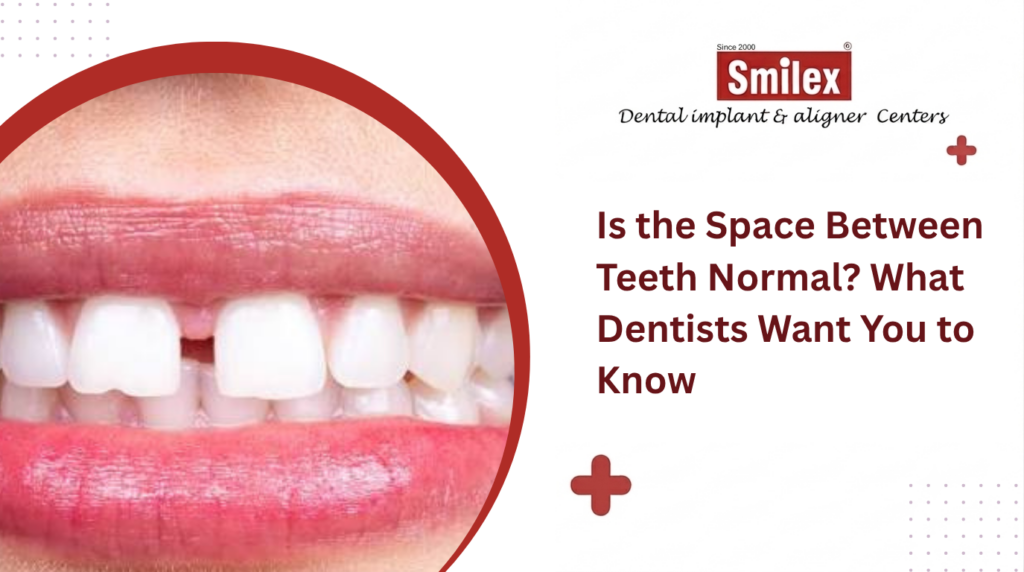
Is the Space Between Teeth Normal? What Dentists Want You to Know

Many people notice a space between teeth and wonder if it’s normal or a sign of a dental problem. While a small gap may seem harmless, it can affect your smile’s appearance and oral health. Left untreated, it might lead to food trapping, gum issues, or bite problems. This blog explores why spaces form between teeth, when it’s just a cosmetic concern, and when it signals something more serious. By the end, you’ll understand the causes, potential risks, and the treatment options dentists recommend to achieve a healthy, confident smile.

What Does a Space Between Teeth Mean?

A space between teeth, often called a dental gap or diastema, refers to the noticeable opening between two teeth. It is most often noticed between the upper front teeth, though it may develop in any area of the mouth. For some, it is simply a unique feature of their smile, while for others it may be linked to underlying dental issues.

Common Causes of Space Between Teeth in Adults and Children

Several factors can lead to the formation of gaps between teeth. In children, the presence of spaces is often normal as baby teeth fall out and permanent teeth gradually take their place. However, if the spaces persist into adulthood, it could be due to one or more of the following reasons:

  • Genetics: Jaw size and tooth alignment often run in families.
  • Missing or undersized teeth: Spaces naturally occur when teeth are smaller than usual or missing.
  • Thumb sucking or tongue thrusting: Habits in childhood can push teeth apart over time.
  • Gum disease: Inflammation and bone loss around the teeth can create new gaps.
  • Oversized labial frenum: A thick tissue between the upper front teeth may prevent them from closing together.

Is a Small Gap Between Teeth Normal or a Dental Concern?

A slight gap between teeth is not always a sign of trouble. Many people live with gaps in their entire lives without facing dental complications. However, when the gap is vast, size increases, or is accompanied by discomfort, it may be a sign of a deeper issue that requires dental evaluation.

How the Space Between Front Teeth Affects Your Smile and Confidence

The appearance of a smile is one of the main reasons people consider closing a gap. The space between front teeth can make some individuals self-conscious, especially when speaking or smiling. On the other hand, certain cultures consider a gap to be a sign of good luck or beauty. Ultimately, the impact depends on personal perception and confidence.

Potential Dental Problems Caused by Gapped Teeth

While some gaps are purely cosmetic, others may contribute to dental health issues. Common concerns include:

  • Food trapping that leads to plaque buildup and cavities.
  • Speech issues, particularly with sounds like “s” or “th.”
  • Uneven bite pressure that may wear down teeth.
  • Gum problems, such as inflammation or recession around the space.

These risks highlight the importance of professional assessment, especially when the gap is new or changing.

When Should You See a Dentist About the Space Between Teeth?

You should see a dentist if the gap is increasing, food frequently gets lodged in it, or you notice gum irritation or bleeding.  Early evaluation helps rule out gum disease, bone loss, or other hidden issues. Even if the gap is not causing pain, many patients seek treatment for cosmetic reasons.

Treatment Options to Close the Space Between Teeth

Modern dentistry offers several effective ways to close or reduce the space between teeth. The choice depends on the size of the gap, its cause, and the patient’s personal goals.

  • Braces and Aligners: Orthodontic treatment gently moves teeth into proper alignment over time. Clear aligners are a popular, discreet option.
  • Cosmetic Bonding and Veneers: Tooth-colored resin or porcelain veneers can provide a quick aesthetic solution for smaller gaps.
  • Crowns or Bridges: These may be recommended if missing teeth are the reason for the gap.
  • Gum and Frenum Treatment: Surgical procedures may be required if soft tissue prevents teeth from coming together.

Can a Space Between Teeth Close on Its Own?

In young children, gaps often close naturally as permanent teeth erupt. However, gaps rarely disappear without intervention once adult teeth are entirely in place. If the space is a concern, exploring treatment is advisable rather than waiting for natural closure.

Tips to Prevent Space Between Teeth From Worsening

Prevention plays a key role in maintaining healthy alignment. A few simple habits include:

  • Practicing good oral hygiene to avoid gum disease.
  • Correcting habits like thumb sucking or tongue thrusting in children can help prevent gaps.
  • Regular dental visits are important for detecting early signs of gum disease.
  • Considering orthodontic care early when alignment issues appear.

Final Thoughts:

A space between teeth can be completely normal for some people and a dental concern for others. Whether you embrace your natural gap or explore treatment options, what matters most is maintaining oral health and confidence in your smile. A dentist can guide you through the best solutions, helping you decide whether to leave the space as it is or take steps to close it. Whether you choose to keep your natural gap or close it, consulting a reliable dentist on FC Road Pune ensures the right guidance. A professional dental clinic in FC Road Pune can help you maintain oral health while boosting your smile confidence.

Find the clinic here: Get direction

Call Now: +91 97654 07660

Address: 3rd Floor, Rahul Capital, Prabhat Road, Erandwane, Pune, Maharashtra 411004

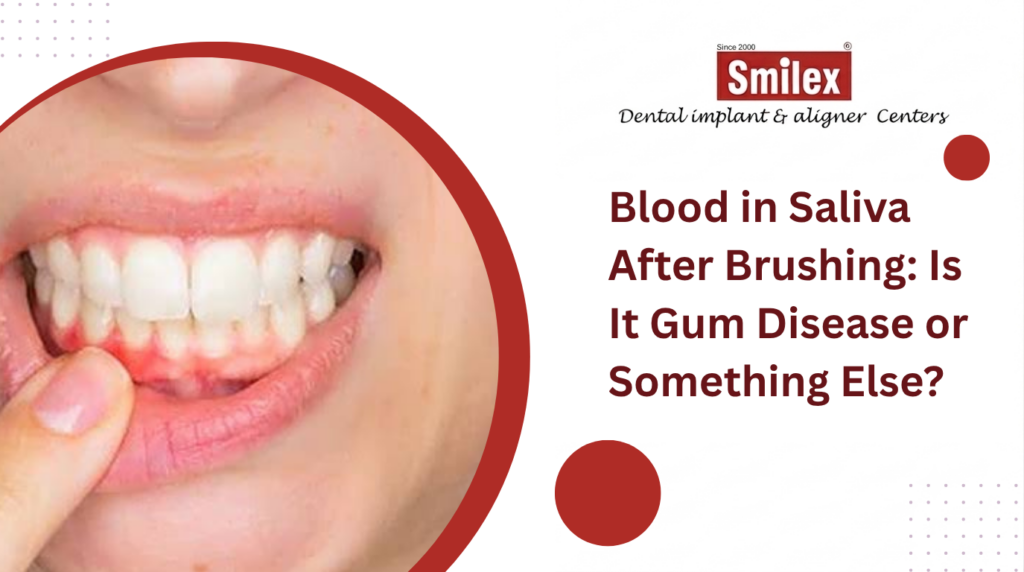
Blood in Saliva After Brushing: Is It Gum Disease or Something Else?

Finding blood in saliva after brushing can be unsettling. Most people assume it’s a sign of gum disease, but the reality is more complex. While gum problems are a common cause, other oral and medical conditions could be responsible. Sometimes it’s something as simple as brushing too hard, and other times it can be a symptom of a deeper health issue. Understanding the possible reasons and knowing when to take action can help you protect your oral health before things get worse.

What Does Blood in Saliva After Brushing Really Mean?

Spotting blood in your saliva after brushing is your body’s way of saying something isn’t quite right. In many cases, it’s linked to gum inflammation, injury to the soft tissues in your mouth, or other conditions that affect your oral cavity. It’s important not to ignore this sign, even if it happens only occasionally. Early attention can prevent more serious problems from developing later.

How Gum Disease Causes Bleeding After Brushing

Gum disease, or gingivitis in its early stage, is one of the leading causes of blood in saliva. When plaque builds up along the gum line, it irritates and inflames the gums, making them more likely to bleed when you brush or floss. If left untreated, gingivitis can progress to periodontitis, a more severe form of gum disease that damages the supporting bone and tissues. In advanced cases, this can lead to tooth loss. Regular dental check-ups and proper cleaning are key to preventing this progression.

Other Oral Conditions That Can Lead to Blood in Saliva

Bleeding is not always caused by gum disease; there are other possible reasons. Mouth ulcers, canker sores, and minor cuts from sharp food or dental appliances can also cause minor bleeding. People with braces or ill-fitting dentures often experience this issue due to constant friction against the gums and cheeks. Infections, such as oral thrush, can also weaken tissue and make it prone to bleeding. Identifying and addressing these conditions early helps prevent long-term irritation and damage.

Can brushing technique have an effect?

Surprisingly, the way you brush could be causing the bleeding. Using a toothbrush with stiff bristles or applying too much pressure can damage the delicate gum tissue, resulting in blood in your saliva. Brushing for too short a time can leave plaque behind, while overbrushing can wear down both enamel and gums. A soft-bristled toothbrush combined with gentle, circular motions is the safest and most effective approach.

Blood in Saliva but No Pain – Should You Worry?

Some people notice blood in their saliva without any accompanying pain, which can make them believe it’s nothing serious. However, painless bleeding can still signal underlying issues such as vitamin deficiencies, early gum disease, or blood clotting disorders. The absence of pain doesn’t mean it’s harmless. If the bleeding persists for more than a few days, it’s worth consulting a dentist or doctor for an accurate diagnosis.

Medical Conditions Linked to Blood in Saliva

Specific systemic health problems can also cause or worsen bleeding in the mouth. Conditions like diabetes, blood clotting disorders, vitamin C or K deficiencies, and even respiratory infections can make gums more prone to bleeding. Medications such as blood thinners and some blood pressure drugs can also increase the likelihood of bleeding. If you’re on any long-term medication and notice blood in your saliva, mention it to your healthcare provider so they can assess whether it’s a side effect or a symptom of another issue.

When to Seek Professional Help for Bleeding Gums

If you notice blood in your saliva repeatedly, it’s important to see a dentist. Persistent bleeding, swelling, or changes in gum color should never be ignored. Sudden onset of bleeding, especially if accompanied by other symptoms like unexplained weight loss, fatigue, or fever, should prompt immediate medical evaluation. Timely diagnosis and treatment can prevent more serious health problems and protect your overall well-being.

How to Reduce Blood in Saliva with Proper Oral Care

Daily oral hygiene plays a vital role in preventing gum bleeding. Brush twice a day with a soft-bristled toothbrush, floss gently once a day, and use an antimicrobial mouthwash to control plaque. Regular professional cleanings help remove tartar buildup that you can’t get rid of at home. If you’re prone to dry mouth, staying hydrated and chewing sugar-free gum can keep your saliva production healthy, which helps protect your gums from irritation.

Lifestyle Factors That Can Worsen Gum Bleeding

Your daily habits can make a difference. Smoking and chewing tobacco weaken gum tissue and slow healing, increasing bleeding risk. Diets lacking in fresh fruits, vegetables, and essential vitamins can also make gums more fragile. Stress can indirectly contribute by affecting your immune system and making you more prone to inflammation. Addressing these lifestyle factors is just as important as maintaining proper brushing and flossing habits.

Prevention Tips to Keep Your Saliva Free from Blood

The best way to prevent blood in your saliva is to stay consistent with oral care and routine dental visits. Eat a balanced diet rich in vitamins and minerals, avoid harsh brushing, quit smoking if you do, and stay on top of any underlying medical conditions. If you notice even minor changes in your gums, act quickly rather than waiting for symptoms to worsen. Your mouth is often the first place where signs of health problems appear, so paying attention to these early warnings can save you from bigger issues down the road.

Winding up

By understanding the causes of blood in saliva after brushing and making the right changes to your oral care routine, you can protect your gums, maintain a healthy mouth, and avoid unnecessary complications. In most cases, a combination of proper hygiene, lifestyle adjustments, and timely professional care is enough to stop the bleeding and restore your confidence in your smile.

Find the clinic here: Get direction

Call Now: +91 97654 07660

Address: 3rd Floor, Rahul Capital, Prabhat Road, Erandwane, Pune, Maharashtra 411004

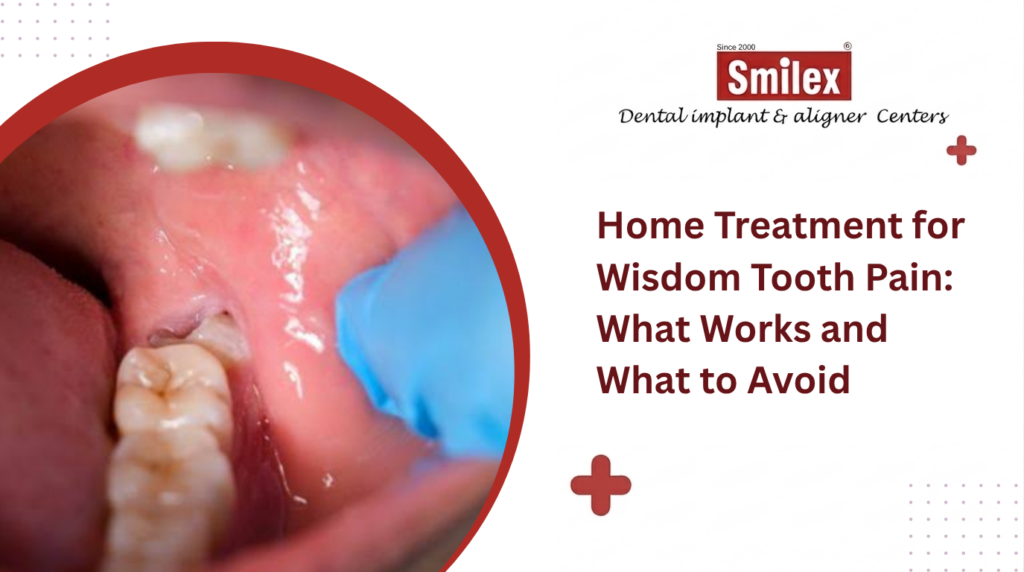
Home Treatment for Wisdom Tooth Pain: What Works and What to Avoid

Dealing with wisdom teeth pain can be extremely uncomfortable, especially when you cannot visit a dentist immediately. Whether it’s a dull ache or severe throbbing, wisdom tooth pain can disrupt your daily routine and even make eating or sleeping difficult.Fortunately, there are several home treatments for wisdom tooth pain that can provide temporary relief. However, it is important to understand the causes, symptoms, and safe remedies before trying anything at home. In this blog by Smilex Dental Implants and Aligners Centers, Prabhat Road, erandwane, Pune, we will guide you through effective and safe wisdom teeth pain home remedies and when you should seek professional help.

What Are Wisdom Teeth?

Wisdom teeth are the last set of molars that usually grow between the ages of 17 and 25. This is why they are often associated with new teeth growing in adults pain.Sometimes, these teeth do not have enough space to emerge properly, leading to pain, swelling, or infection.

Common Wisdom Teeth Pain Symptoms

Recognizing wisdom teeth pain symptoms early can help you manage the condition better. Some common signs include:

  • Persistent wisdom tooth pain at the back of the mouth
  • Swollen or red gums
  • Jaw stiffness or difficulty opening your mouth
  • Bad breath or unpleasant taste
  • Headaches or ear pain
  • Wisdom teeth pain at night worsening due to pressure

If you experience these symptoms, you may need immediate wisdom tooth treatment.

Causes of Wisdom Tooth Pain

Understanding the cause helps in choosing the right wisdom tooth pain relief method:

  • Impacted wisdom teeth (stuck under gums)
  • Infection around the tooth (pericoronitis)
  • Tooth decay
  • Gum inflammation
  • Pressure on nearby teeth

Effective Home Remedies for Wisdom Tooth Pain

Here are some proven home remedies for wisdom tooth pain that can help reduce discomfort:

1. Salt Water Rinse

A warm salt water rinse is one of the simplest home remedies for wisdom teeth pain.

How it helps:

  • Reduces bacteria
  • Relieves inflammation
  • Promotes healing

How to use: Mix 1 teaspoon salt in warm water and rinse 2–3 times daily.

2. Cold Compress

A cold compress is excellent for how to reduce wisdom teeth pain and swelling.

How it helps:

  • Numbs the area
  • Reduces swelling

Gently hold an ice pack against your cheek for about 15–20 minutes to reduce pain and swelling.

3. Clove Oil

Clove oil is a natural pain reliever and widely used in wisdom tooth pain home remedy solutions.

How it helps:

  • Acts as a natural anesthetic
  • Reduces infection

Apply a small amount using a cotton ball directly on the painful area.

4. Garlic Paste

Garlic has strong antibacterial properties, making it effective for wisdom tooth infection treatment at home.

How it helps:

  • Fights bacteria
  • Reduces pain

Crush garlic and apply gently to the affected area.

5. Peppermint Tea Bags

Peppermint has soothing properties and is helpful in wisdom teeth pain relief home remedies.

How it helps:

  • Reduces irritation
  • Provides cooling effect

Place a cooled peppermint tea bag on the painful area.

6. Over-the-Counter Pain Relief

Painkillers can provide temporary wisdom tooth pain relief, but should be used carefully.

Wisdom Tooth Pain at Night Why It Gets Worse

Many people experience wisdom tooth pain at night. This happens because:

  • Increased blood flow to the head when lying down
  • Lack of distractions makes pain feel stronger
  • Pressure builds around the tooth

Tip: Keep your head elevated while sleeping to reduce discomfort.

Wisdom Teeth Treatment at Home What to Avoid

While trying wisdom teeth treatment at home, avoid:

  • Applying aspirin directly on gums
  • Using very hot compresses
  • Ignoring persistent pain
  • Trying to remove the tooth yourself

These can worsen the condition and lead to complications.

When to See a Dentist

Home remedies are only temporary. You should visit a dentist if:

  • Pain lasts more than 2–3 days
  • Swelling increases
  • You have fever or pus
  • Difficulty opening mouth

Professional wisdom tooth treatment may include cleaning, medication, or extraction.

Professional Wisdom Tooth Pain Treatment

At Smilex Dental Implants and Aligners Centers, we offer advanced solutions for:

  • Impacted wisdom teeth
  • Infection control
  • Safe and painless extraction
  • Long-term wisdom tooth pain relief

Our expert dentists ensure comfortable and effective care.

How to Prevent Wisdom Tooth Pain

Prevention is always better than cure. Here’s how you can avoid wisdom teeth pain:

  • Maintain good oral hygiene
  • Brush and floss regularly
  • Use antibacterial mouthwash
  • Visit your dentist regularly

Conclusion

Home treatment for wisdom tooth pain can provide quick and temporary relief, but it is not a permanent solution. Using safe and effective home remedies for wisdom tooth pain can help manage discomfort until you receive professional care.

📞 Contact Smilex Dental Implants and Aligners Centers Prabhat Road, erandwane, Pune at +91 97654 07660 for expert care and lasting relief.

FAQs

1. What is the best home remedy for wisdom tooth pain?

Salt water rinse and clove oil are among the most effective home remedies for wisdom tooth pain.

2. How to reduce wisdom teeth pain quickly?

Use a cold compress, rinse with salt water, and apply clove oil for fast wisdom tooth pain relief.

3. Why is wisdom tooth pain worse at night?

Wisdom teeth pain at night increases due to blood flow and pressure when lying down.

4. Can wisdom tooth infection be treated at home?

Mild cases can be managed with wisdom tooth infection treatment at home, but severe infections need dental care.

5. How Many Days Does Wisdom Tooth Pain Last?

It may last a few days to weeks depending on the cause. Persistent pain requires wisdom tooth treatment.

6. Are home remedies safe for wisdom teeth pain?

Yes, but only for temporary relief. Long-term issues need professional treatment.

Find the clinic here: Get direction

Call Now: +91 97654 07660

Address: 3rd Floor, Rahul Capital, Prabhat Road, Erandwane, Pune, Maharashtra 411004

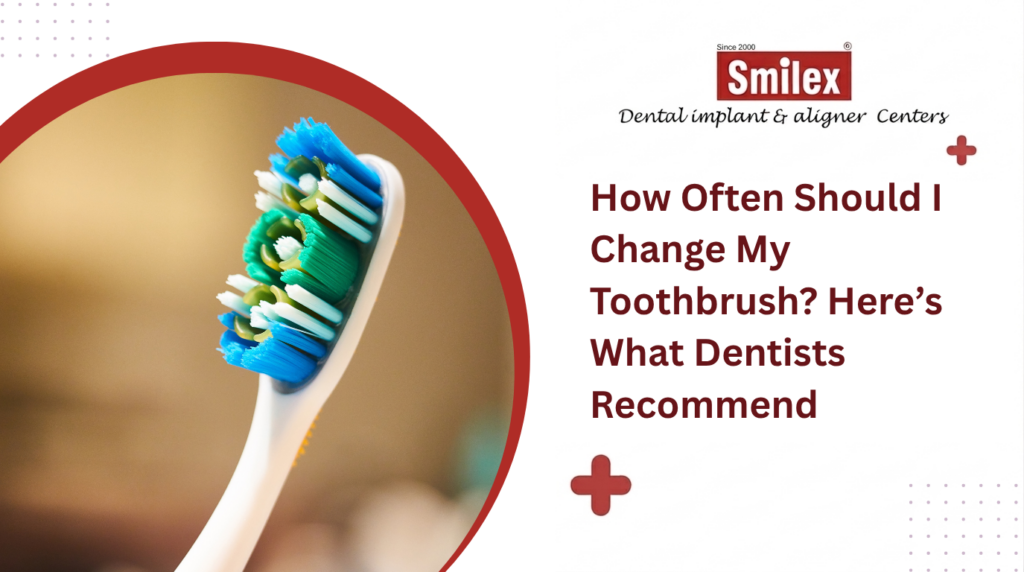
How Often Should I Change My Toothbrush? Here’s What Dentists Recommend

If you’re wondering how often should I change my toothbrush in India, you’re not alone—and the answer is simpler than most people think. Many individuals continue using the same toothbrush for too long, which can negatively affect their oral hygiene and dental health. Worn-out bristles fail to clean teeth properly and may harbor bacteria, leading to plaque buildup, bad breath, and gum disease. Maintaining a fresh toothbrush is a small yet essential step in achieving healthy teeth and gums. In this blog, we’ll explain dentist-recommended guidelines, warning signs, and best practices to improve your daily oral care routine in India.

How Often Should You Really Change Your Toothbrush?

According to dental experts, you should replace your toothbrush every 3 to 4 months. This applies to both manual toothbrushes and electric toothbrush heads. Over time, bristles lose their shape and become less effective in removing plaque and food particles.If you brush twice daily, your toothbrush wears out faster, making regular replacement essential for maintaining good oral hygiene in India’s humid conditions, where bacteria growth can be quicker.

Why Replacing Your Toothbrush Matters More Than You Think

Using an old toothbrush can impact your dental hygiene and overall oral health. A worn toothbrush may:

  • Fail to clean hard-to-reach areas
  • Cause gum irritation and sensitivity
  • Increase the risk of cavities and gum disease
  • Allow bacteria buildup on bristles

Regular replacement supports effective plaque removal and helps maintain a cleaner, healthier mouth.

Signs It’s Time to Replace Your Toothbrush

Even before the 3-month mark, you may need a new toothbrush. Look for these signs:

  • Frayed, bent, or splayed bristles
  • Bad odor or visible buildup
  • Recently recovered from illness (cold, flu, infection)
  • Discoloration of bristles
  • Reduced cleaning effectiveness

 If your toothbrush doesn’t feel effective, it’s time to replace it.

When to Replace Toothbrush After Illness

One of the most important hygiene rules is knowing when to replace toothbrush after illness.

Dentists recommend changing your toothbrush immediately after recovering from a cold, flu, throat infection, or any viral illness. This helps prevent reintroducing bacteria and viruses into your mouth.

In Indian households where brushes are often stored together, replacing your toothbrush after illness becomes even more important to avoid cross-contamination.

What Happens If You Don’t Change Your Toothbrush on Time?

Delaying toothbrush replacement can lead to several oral health problems, including:

  • Persistent bad breath
  • Increased plaque and tartar buildup
  • Bleeding or inflamed gums
  • Higher risk of tooth decay
  • Spread of bacteria after illness

An old toothbrush reduces cleaning efficiency and weakens your oral care routine.

Dentist-Recommended Timeline for Changing Toothbrushes

  • Adults: Every 3–4 months
  • Toothbrush replacement for kids: Every 2–3 months (kids wear brushes faster)
  • After illness: Immediately replace
  • Electric toothbrush heads: Every 3 months

Following this schedule ensures better oral hygiene maintenance and dental care.

Toothbrush Replacement for Kids: What Parents Should Know

Toothbrush replacement for kids is even more important because children tend to chew on bristles and brush aggressively.

  • Replace every 2–3 months
  • Check bristles more frequently
  • Use soft-bristled brushes for safety

Parents should monitor their child’s toothbrush regularly to maintain proper kids’ oral hygiene.

Manual vs. Electric Toothbrush: Does It Make a Difference?

Whether you use a manual toothbrush or an electric toothbrush, the replacement rule remains the same. Electric toothbrush heads should also be replaced every 3 months.Some advanced brushes include indicator bristles that fade in color, helping you track replacement time easily.

Can a Worn-Out Toothbrush Harm Your Gums and Teeth?

Yes, a worn toothbrush can damage both your teeth and gums. Frayed bristles may:

  • Fail to remove plaque effectively
  • Cause gum irritation
  • Lead to enamel wear
  • Increase tooth sensitivity

Replacing your toothbrush regularly helps prevent long-term dental problems.

How to Properly Store and Maintain Your Toothbrush

Good storage habits improve your toothbrush hygiene:

  • Rinse thoroughly after each use
  • Store upright and allow air drying
  • Avoid closed containers
  • Keep separate from other toothbrushes
  • Maintain distance from the toilet area

A clean toothbrush ensures better oral hygiene and dental care.

Toothbrush Hygiene Mistakes You Might Be Making

Avoid these common mistakes:

  • Not washing hands before brushing
  • Storing brushes too close together
  • Traveling with a wet toothbrush
  • Not replacing after illness

Correcting these habits improves your daily oral hygiene routine.

Your 3-Step Toothbrush Replacement Checklist

  • Replace your toothbrush every 3 months
  • Check bristles regularly
  • Change immediately after illness

Final Thoughts

In India, dentists recommend changing your toothbrush every 3 to 4 months, or sooner if the bristles become frayed. This simple habit plays a crucial role in maintaining healthy teeth, strong gums, and fresh breath. Using a fresh toothbrush is one of the easiest and most effective ways to improve your oral hygiene routine and prevent future dental problems.Maintaining proper oral hygiene at home is important, but regular professional dental cleaning and checkups at a trusted dentist near me ensure long-term dental health.

 FAQ 

1. How often should I change my toothbrush in India?

In India, you should replace your toothbrush every 3 to 4 months due to regular use and humid conditions that can promote bacterial growth.

2. When should I replace my toothbrush after illness?

You should replace your toothbrush immediately after recovering from illness to prevent reinfection and maintain oral hygiene.

3. How often should kids change their toothbrush?

Toothbrush replacement for kids should be done every 2 to 3 months, as children tend to wear out bristles faster.

4. Can an old toothbrush affect oral health?

Yes, it can harbor bacteria, reduce cleaning efficiency, and increase the risk of cavities and gum disease.

5. Is an electric toothbrush better than a manual toothbrush?

Both are effective, but electric toothbrushes may provide better plaque removal. However, both require replacement every 3 months.

6. What happens if I don’t replace my toothbrush?

It can lead to plaque buildup, bad breath, gum issues, and poor oral hygiene.

Find the clinic here: Get direction

Call Now: +91 97654 07660

Address: 3rd Floor, Rahul Capital, Prabhat Road, Erandwane, Pune, Maharashtra 411004

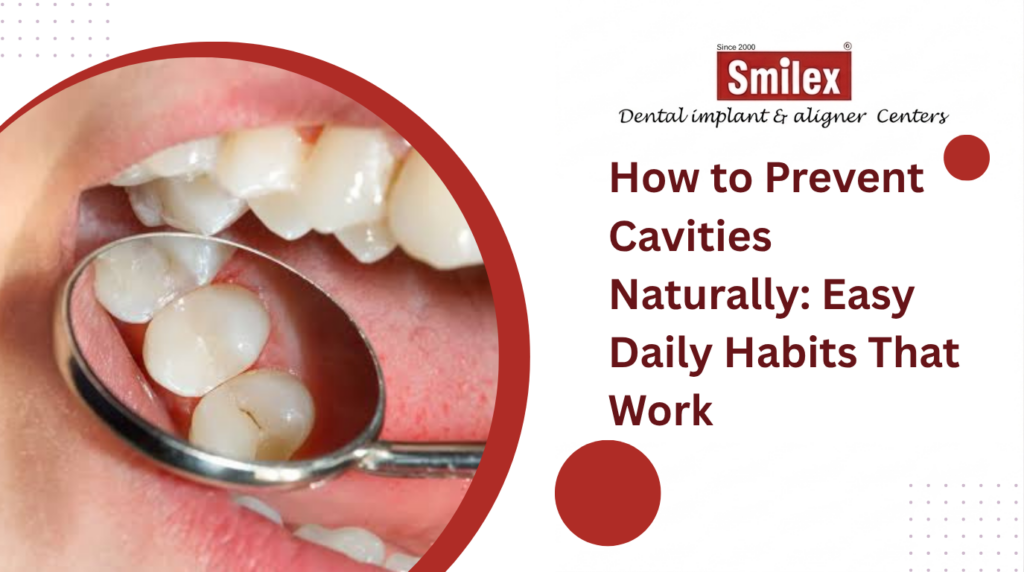
How to Prevent Cavities Naturally: Easy Daily Habits That Work

Maintaining good oral health is essential for a healthy smile and overall well-being. Cavities, also known as dental caries, are one of the most common dental problems affecting people of all ages. While professional dental care is important, adopting simple daily habits can help prevent cavities naturally and keep your teeth strong for years to come.At Smilex Dental Implants and Aligners Centers, Prabhat Road, Erandwane, Pune, we believe prevention is always better than treatment. In this guide, we’ll discuss practical and natural ways to protect your teeth from decay and maintain excellent oral health.

What Causes Cavities?

Cavities develop when bacteria in the mouth feed on sugars and starches from food, producing acids that erode tooth enamel. Over time, this erosion creates holes in the teeth, leading to pain, sensitivity, and the need for dental treatment.

Common causes of cavities include:

  • Poor oral hygiene
  • Frequent consumption of sugary foods and drinks
  • Dry mouth
  • Plaque buildup
  • Inadequate fluoride exposure
  • Lack of regular dental checkups

Understanding these causes is the first step toward effective cavity prevention.

1. Brush Your Teeth Properly Twice a Day

One of the most effective ways to prevent cavities naturally is by brushing your teeth at least twice daily. Use a soft-bristled toothbrush and fluoride toothpaste to remove plaque and food particles.

Tips for Effective Brushing:

  • Brush for at least two minutes.
  • Clean all tooth surfaces.
  • Replace your toothbrush every three months.
  • Brush gently to avoid damaging enamel.

Regular brushing significantly reduces the risk of tooth decay prevention and promotes healthier gums.

2. Floss Daily

Many people skip flossing, but it is crucial for maintaining oral health. Floss removes plaque and food debris from areas your toothbrush cannot reach.

Benefits of daily flossing include:

  • Reduced plaque buildup
  • Lower risk of cavities between teeth
  • Prevention of gum disease
  • Fresher breath

Adding flossing to your daily routine is a simple yet powerful step toward preventing cavities naturally.

3. Limit Sugary and Acidic Foods

Sugar is one of the leading contributors to tooth decay. Harmful bacteria thrive on sugar and produce acids that attack tooth enamel.

Try to limit:

  • Soft drinks
  • Candy
  • Cakes and pastries
  • Sugary cereals
  • Energy drinks

Instead, choose:

  • Fresh fruits
  • Vegetables
  • Nuts
  • Cheese
  • Yogurt

Reducing sugar intake is one of the best methods for natural cavity prevention and maintaining strong teeth.

4. Drink More Water Throughout the Day

Water helps wash away food particles and bacteria while promoting saliva production. Saliva plays a vital role in neutralizing acids and protecting teeth.

Benefits of drinking water include:

  • Cleansing the mouth naturally
  • Preventing dry mouth
  • Supporting enamel health
  • Reducing cavity risk

For optimal oral health, make water your primary beverage.

5. Increase Calcium-Rich Foods

Calcium strengthens teeth and bones, helping prevent enamel erosion and tooth decay.

Excellent sources of calcium include:

  • Milk
  • Cheese
  • Yogurt
  • Almonds
  • Leafy green vegetables

A calcium-rich diet supports strong teeth naturally and reduces the likelihood of developing cavities.

6. Eat Foods That Boost Saliva Production

Saliva is your body’s natural defense against cavities. Certain foods stimulate saliva production and help clean the teeth.

Choose foods such as:

  • Apples
  • Carrots
  • Celery
  • Cucumbers
  • Sugar-free chewing gum

These foods naturally cleanse the mouth and contribute to healthy teeth and gums.

7. Use Fluoride for Extra Protection

Fluoride strengthens tooth enamel and helps reverse early stages of tooth decay. While natural habits are important, fluoride provides additional protection against cavities.

Sources of fluoride include:

  • Fluoride toothpaste
  • Fluoridated water
  • Professional fluoride treatments

Many dentists recommend fluoride as part of a comprehensive cavity prevention routine.

8. Avoid Frequent Snacking

Every time you eat, bacteria produce acids that attack your teeth. Frequent snacking means your teeth are exposed to these acids more often.

To reduce cavity risk:

  • Limit unnecessary snacking
  • Choose healthy snacks
  • Rinse your mouth with water after eating

This habit can significantly improve your oral health naturally.

9. Maintain Regular Dental Checkups

Even with excellent oral hygiene, professional dental examinations are essential. Dentists can identify early signs of decay before they become serious problems.

At Smilex Dental Implants and Aligners Centers, our experienced dental professionals provide comprehensive preventive care to keep your smile healthy.

Regular checkups help with:

  • Early cavity detection
  • Professional cleaning
  • Plaque and tartar removal
  • Personalized oral health advice

Searching for a dentist near me or dental clinic near me? Smilex offers advanced dental care solutions for patients of all ages.

10. Consider Natural Antibacterial Foods

Some foods possess natural antibacterial properties that may help reduce harmful oral bacteria.

Examples include:

  • Green tea
  • Garlic
  • Cranberries
  • Coconut oil

These foods can support a healthy oral environment and complement your daily dental care routine.

Signs You May Be Developing a Cavity

Watch for these common symptoms:

  • Tooth sensitivity
  • Toothache
  • Visible holes in teeth
  • Pain when eating sweets
  • Dark spots on teeth
  • Bad breath

If you notice any of these signs, schedule a dental consultation promptly.

Why Choose Smilex Dental Implants and Aligners Centers?

At Smilex Dental Implants and Aligners Centers, we focus on preventive dentistry and advanced dental treatments. Our team provides personalized care using modern technology to help patients maintain healthy smiles.

Our services include:

  • Dental Checkups
  • Teeth Cleaning
  • Dental Implants
  • Invisalign Aligners
  • Root Canal Treatment
  • Cosmetic Dentistry
  • Orthodontic Care

Whether you’re looking for cavity treatment, preventive dental care, or a trusted dental clinic near me, Smilex is committed to delivering exceptional results.

Final Thoughts

Preventing cavities naturally doesn’t require complicated routines. By adopting healthy daily habits such as brushing, flossing, reducing sugar intake, drinking water, and visiting your dentist regularly, you can significantly lower your risk of tooth decay.

Strong oral hygiene practices combined with professional dental care can help you enjoy a healthy, beautiful smile for life.

Book Your Dental Checkup Today!

Smilex Dental Implants and Aligners Centers

📞 Call Now:  +91 97654 07660

Take the first step toward healthier teeth and long-lasting oral health with expert dental care from Smilex.

FAQs

1. Can cavities heal naturally?

Early-stage tooth decay may be reversed with fluoride, proper oral hygiene, and a healthy diet. Advanced cavities require professional treatment.

2. What foods help prevent cavities?

Cheese, yogurt, leafy greens, almonds, apples, carrots, and other calcium-rich foods help strengthen teeth and reduce cavity risk.

3. How often should I visit the dentist?

Most dentists recommend visiting every six months for professional cleaning and examination.

4. Does drinking water help prevent cavities?

Yes. Water helps remove food particles, neutralize acids, and support saliva production.

5. What is the best way to prevent tooth decay?

Brushing twice daily, flossing, reducing sugar intake, drinking water, and attending regular dental checkups are the most effective ways to prevent tooth decay.

Find the clinic here: Get direction

Call Now: +91 97654 07660

Address: 3rd Floor, Rahul Capital, Prabhat Road, Erandwane, Pune, Maharashtra 411004

icon
icon