Can Orthodontic Treatment Prevent Future Dental Problems?

A straight, well-aligned smile is not only about appearance. Properly aligned teeth can make brushing and flossing easier, improve the way your teeth come together, and support better long-term oral hygiene. This is why orthodontic treatment can play an important role in preventing or reducing certain future dental problems.Crooked teeth, overcrowding, gaps, overbite, underbite, and crossbite can make it difficult to maintain ideal oral hygiene and may contribute to uneven tooth wear or excessive stress on certain teeth. Early assessment by an experienced orthodontist can help identify these concerns and determine whether treatment is appropriate.At Smilex Dental Implant & Aligner Centers, Dr. Sonali Deshmukh, M.D.S., Chief Orthodontist and Aligner Specialist, has extensive experience in orthodontic care. She has been practicing since 1998 and brings 25 years of clinical experience in orthodontics and aligner treatment.

Can Orthodontic Treatment Prevent Future Dental Problems?

Yes, orthodontic treatment can help reduce the risk of some future dental problems by improving tooth alignment, bite relationships, and access for daily cleaning. Straightening crowded or poorly positioned teeth may make brushing and flossing easier and can help distribute biting forces more evenly. However, orthodontic treatment cannot prevent every dental problem, so regular dental check-ups and good oral hygiene remain essential.

How Can Orthodontic Treatment Protect Your Future Oral Health?

1. Makes Brushing and Flossing Easier

Crowded and overlapping teeth can create areas that are difficult to clean. Food particles and plaque may accumulate between teeth, particularly where toothbrush bristles and floss have limited access.

With properly aligned teeth, daily brushing and flossing can become easier. This may support better plaque control and reduce the likelihood of problems associated with inadequate oral hygiene.

For people searching for orthodontic treatment in Pune, an orthodontic consultation can help determine whether tooth alignment is affecting their ability to maintain proper oral hygiene.

2. May Reduce the Risk of Tooth Decay

Tooth decay is caused by several factors, including plaque bacteria, dietary habits, fluoride exposure, and oral hygiene. Misaligned teeth do not directly cause cavities, but severe crowding can make cleaning more challenging.

By correcting significant crowding, orthodontic treatment may make certain tooth surfaces easier to access during brushing and flossing. This can support a more effective long-term oral hygiene routine.

It is important to remember that straight teeth do not automatically prevent cavities. Regular dental examinations, professional cleanings when recommended, fluoride use, and appropriate brushing and flossing are still necessary.

3. Supports Healthier Gums

Gum health depends heavily on controlling plaque around the teeth and gumline. When teeth overlap or are positioned irregularly, plaque can be harder to remove.

Braces and clear aligners can be used to improve tooth positioning when clinically appropriate. Better alignment may make oral hygiene more manageable and support healthier gums.

Patients considering braces treatment in Pune or clear aligners should receive a professional assessment before choosing a treatment option.

4. Helps Improve Bite Function

Your teeth should ideally work together when you bite and chew. Problems such as an overbite, underbite, crossbite, or open bite can affect the way teeth contact one another.

Appropriate orthodontic treatment can improve the relationship between the upper and lower teeth. Better bite coordination may help reduce abnormal contact and uneven pressure on individual teeth.

The exact treatment approach depends on factors such as age, jaw development, tooth position, bite severity, and overall oral health.

5. May Help Reduce Uneven Tooth Wear

When teeth do not meet properly, certain areas may receive more biting pressure than others. Over time, abnormal or excessive contact can contribute to tooth wear in some individuals.

Correcting problematic bite relationships may help distribute biting forces more appropriately. This is one reason an orthodontic evaluation can be valuable even when the main concern is not cosmetic.

6. Can Help Manage Dental Crowding

Dental crowding occurs when there is insufficient space for teeth to fit comfortably within the dental arch. Crowded teeth may overlap, rotate, or become difficult to clean.

Orthodontic treatment for crowded teeth can create a more organized tooth arrangement based on an individual’s treatment needs. Depending on the case, treatment may involve traditional braces, ceramic braces, self-ligating braces, or clear aligner therapy.

7. May Support Better Long-Term Oral Hygiene

One of the biggest benefits of well-aligned teeth is practical: they can be easier to maintain.

When teeth are positioned appropriately, patients may find it simpler to brush along the gumline and clean between teeth. Better accessibility can make maintaining an effective oral hygiene routine easier over the long term.

However, maintaining the results after orthodontic treatment is equally important. Retainers after orthodontic treatment are commonly recommended because teeth can naturally shift over time.

Can Orthodontic Treatment Prevent All Dental Problems?

No. Orthodontic treatment is not a guarantee against future dental problems.

Even after achieving a well-aligned smile, you can still develop cavities, gum disease, enamel erosion, tooth sensitivity, or other oral health conditions. These problems can be influenced by diet, oral hygiene, genetics, lifestyle, medications, and other factors.

Therefore, orthodontic treatment should be considered one part of a complete oral healthcare routine.

For long-term dental health, continue:

  • Brushing twice daily with fluoride toothpaste
  • Cleaning between teeth regularly
  • Limiting frequent sugary snacks and drinks
  • Visiting your dentist for regular check-ups
  • Following professional cleaning recommendations
  • Wearing retainers as instructed after orthodontic treatment
  • Addressing dental problems at an early stage

When Should You Consider Orthodontic Treatment?

You may benefit from an orthodontic consultation if you notice:

  • Crowded or overlapping teeth
  • Large spaces between teeth
  • Difficulty cleaning certain areas
  • Protruding teeth
  • Overbite or underbite
  • Crossbite
  • Open bite
  • Frequent cheek or lip biting
  • Uneven tooth contact
  • Difficulty chewing comfortably
  • Teeth that are becoming increasingly difficult to clean

An orthodontist can evaluate your teeth, bite, jaw relationship, and overall oral condition before recommending treatment.

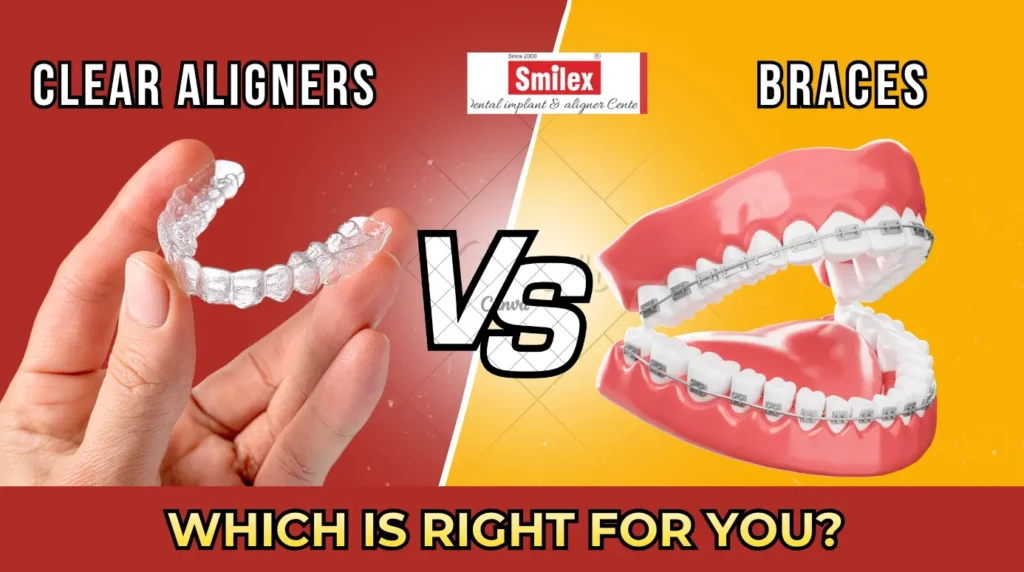
Braces or Clear Aligners: Which Is Better for Preventing Dental Problems?

Both braces and clear aligners can be effective for appropriate orthodontic cases. The right option depends on the complexity of the tooth movement required and the patient’s individual needs.

Traditional braces can treat a wide range of alignment and bite problems. Clear aligners offer a removable and discreet alternative for many suitable cases.

Rather than choosing treatment based only on appearance, patients should consider clinical suitability, treatment goals, oral hygiene requirements, compliance, and professional recommendations.

Why Choose Smilex Dental Implant & Aligner Centers?

At Smilex Dental Implant & Aligner Centers, orthodontic care is focused on creating healthy, functional, and aesthetically pleasing tooth alignment.

Dr. Sonali Deshmukh
M.D.S. / Chief Orthodontist and Aligner Specialist
25 Years of Experience
Practicing Since 1998

Her experience in orthodontics and aligner treatment allows patients to receive individualized treatment planning based on their dental alignment, bite, and treatment goals.Whether you are considering orthodontic treatment in Pune, braces, or clear aligners, a professional consultation can help you understand your options before beginning treatment.

Final Thoughts

So, can orthodontic treatment prevent future dental problems? It can help reduce the risk of certain problems associated with poor tooth alignment, difficult cleaning, abnormal bite relationships, and uneven tooth contact. Straightening teeth may make daily oral hygiene easier and support healthier long-term dental function.However, orthodontics works best as part of a complete preventive dental routine. Regular dental visits, good oral hygiene, a balanced diet, and proper retainer use after treatment are all important for maintaining your results.If you are concerned about crooked teeth, crowding, bite problems, or your long-term oral health, consider an orthodontic evaluation at Smilex Dental Implant & Aligner Centers with Dr. Sonali Deshmukh.

Frequently Asked Questions (FAQs)

1. Can orthodontic treatment prevent future dental problems?

Yes. Orthodontic treatment can help reduce the risk of certain dental problems by improving tooth alignment, bite function, and access for brushing and flossing. However, regular dental check-ups and good oral hygiene are still essential.

2. Can braces reduce the risk of tooth decay?

Braces do not directly prevent cavities, but correcting crowded or overlapping teeth can make some areas easier to clean. Maintaining proper brushing, flossing, and regular dental visits remains important.

3. Does orthodontic treatment improve gum health?

Properly aligned teeth can be easier to clean, which may support better plaque control and healthier gums. Your orthodontist can determine whether alignment problems are affecting your oral hygiene.

4. Can orthodontic treatment fix bite problems?

Yes. Depending on the case, orthodontic treatment can help correct problems such as overbite, underbite, crossbite, and open bite, improving the relationship between the upper and lower teeth.

5. Can orthodontic treatment prevent uneven tooth wear?

Correcting certain bite problems may help distribute biting forces more evenly and reduce abnormal contact between teeth. The suitability of treatment depends on the individual’s bite and dental condition.

6. Is orthodontic treatment useful for crowded teeth?

Yes. Orthodontic treatment can improve the positioning of crowded or overlapping teeth. Braces or clear aligners may be recommended depending on the severity and complexity of the case.

7. Are clear aligners good for long-term dental health?

Clear aligners can improve tooth alignment in suitable cases. Because they are removable, patients can generally brush and clean their teeth without having brackets and wires in the way. Proper compliance and professional supervision are important.

Call : +91 97654 07660

Address: 3rd Floor, Rahul Capital, Prabhat Road, Erandwane, Pune, Maharashtra 411004

Digital Orthodontics | How 3D Technology Is Transforming Smiles

Digital Orthodontics is transforming modern smile correction by combining advanced 3D technology, digital scanning, computer-assisted treatment planning, and virtual smile simulations. Instead of relying only on traditional dental impressions and physical models, orthodontists can now create detailed 3D images of a patient’s teeth and use them to develop a more personalized treatment plan. At Smilex Dental Implant & Aligner Centers, digital technology can help patients understand their orthodontic needs, visualize potential treatment outcomes, and monitor progress throughout their smile journey. From 3D teeth scanning and digital smile planning to clear aligners and modern braces, these technologies are making orthodontic treatment more precise, comfortable, and patient-friendly. 

Digital Orthodontics A New Era of Smile Transformation

Orthodontic treatment has evolved significantly with the introduction of advanced digital technology. Today, Digital Orthodontics combines 3D scanning, computer-aided treatment planning, digital imaging, and virtual simulations to make smile correction more precise, predictable, and convenient.At Smilex Dental Implant & Aligner Centers, modern digital technology helps orthodontic specialists understand a patient’s teeth and bite in greater detail before treatment begins. From 3D teeth scanning to customized clear aligners, digital tools can improve treatment planning and provide patients with a clearer understanding of their expected smile transformation.

What Is Digital Orthodontics?

Digital Orthodontics refers to the use of advanced digital technologies throughout the orthodontic treatment process. Instead of relying only on traditional impressions, photographs, and physical models, orthodontists can use digital scans and 3D imaging to create a detailed virtual representation of a patient’s teeth.

This technology can support:

  • 3D dental scanning
  • Digital orthodontic treatment planning
  • Virtual smile simulations
  • Computer-assisted aligner planning
  • Digital bite analysis
  • Treatment progress monitoring
  • Customized orthodontic appliances

The result is a more technology-driven approach to orthodontic treatment, helping specialists plan tooth movement according to each patient’s individual dental needs.

How 3D Technology Works in Orthodontic Treatment

One of the most important developments in modern orthodontics is 3D teeth scanning. An intraoral scanner can capture detailed digital images of the teeth and surrounding structures without requiring traditional impression materials.The digital scan can then be converted into a three-dimensional model. Orthodontists can examine this model from different angles, evaluate tooth positions, and develop a customized treatment plan.For patients considering clear aligners, digital scanning can also help create a virtual representation of how the teeth may move throughout treatment.

Step 1: Digital Scanning

The orthodontist uses an intraoral scanner to capture detailed images of the patient’s teeth. The process is generally quick and eliminates the need for conventional impression trays in many cases.

Step 2: Digital Treatment Planning

The digital model can be analyzed to identify crowding, spacing, bite concerns, and tooth positioning. The orthodontist can then develop a personalized treatment approach.

Step 3: Virtual Smile Simulation

Digital software may allow patients to see a projected treatment outcome. This can make it easier to understand the planned tooth movements and overall treatment strategy.

Step 4: Customized Treatment

Based on the digital plan, customized aligners or other orthodontic appliances can be produced according to the patient’s requirements.

Step 5: Progress Monitoring

During follow-up appointments, the orthodontist can compare the patient’s current tooth position with the planned treatment progression and make adjustments when required.

Benefits of 3D Orthodontics

The growing popularity of 3D orthodontics is largely due to the benefits it can offer patients and orthodontic professionals.

1. More Detailed Treatment Planning

Digital models provide orthodontists with a detailed view of tooth positions. This can support more precise treatment planning compared with relying solely on traditional physical models.

2. Greater Patient Understanding

Many patients find it difficult to visualize how their teeth will move. Digital smile simulations can make treatment plans easier to understand by providing a visual representation.

3. Improved Comfort During Scanning

Traditional dental impressions can feel uncomfortable for some patients. Digital scanning uses a small intraoral scanner to capture the necessary information without conventional impression material.

4. Customized Clear Aligners

Digital orthodontic workflows are particularly useful for clear aligner treatment. The patient’s digital model can be used to develop a customized sequence of tooth movements.

5. Easier Treatment Monitoring

Digital records can help orthodontists compare treatment progress over time. This can support more informed decisions during follow-up visits.

Digital Orthodontics and Clear Aligners

Clear aligners have become an increasingly popular option for people looking for a discreet way to straighten their teeth. Digital technology plays an important role in the planning and production of these customized appliances.

During clear aligner treatment, digital scans can be used to create a 3D model of the patient’s teeth. The orthodontist can then plan gradual tooth movements and determine how the aligners should be designed.

For patients considering Invisalign treatment, digital planning can also help explain the expected stages of treatment and provide a better understanding of the overall process.

However, every patient is different. The suitability of clear aligners depends on factors such as the type and severity of the orthodontic problem, oral health, bite relationship, and treatment goals. An orthodontic evaluation is therefore important before choosing a treatment option.

Digital Smile Planning: Making Treatment More Predictable

Another important application of modern technology is digital smile planning. Digital photographs, scans, and imaging can be combined to help orthodontists evaluate facial appearance, tooth proportions, alignment, and smile characteristics.

Instead of looking at individual teeth alone, the orthodontist can consider how the teeth relate to the overall smile.

This patient-focused approach can be especially useful when treatment involves both functional and aesthetic goals.

Digital Orthodontics vs. Traditional Orthodontic Planning

Traditional orthodontics remains an effective treatment approach, but digital technology has changed how many orthodontic treatments are planned and monitored.

With conventional methods, physical impressions and models may be used to assess tooth positions. Digital workflows can replace or complement these methods with detailed 3D models.

The goal is not simply to use technology for its own sake. The purpose of digital orthodontic treatment is to provide orthodontists with better information that can support individualized treatment planning and patient communication.

Who Can Benefit From Digital Orthodontic Treatment?

Digital orthodontic technology can be useful for teenagers and adults requiring different types of orthodontic correction. It may be used for patients with:

  • Crowded teeth
  • Gaps between teeth
  • Mild to moderate alignment problems
  • Certain bite problems
  • Relapsed orthodontic cases
  • Cosmetic smile concerns

The right treatment depends on the individual’s dental condition. Some patients may benefit from clear aligners, while others may require braces or a combination of orthodontic approaches.

A professional examination is essential to determine the most suitable option.

The Future of 3D Dental Technology

The future of orthodontics is expected to become increasingly digital. Improvements in artificial intelligence, 3D imaging, remote monitoring, and computer-assisted treatment planning may further improve the way orthodontic care is delivered.

Digital workflows can potentially make treatment planning more efficient while providing patients with better access to information about their treatment journey.

At the same time, technology does not replace the experience and clinical judgment of an orthodontist. Advanced software and digital scans are tools that support professional decision-making.

Why Choose Smilex Dental Implant & Aligner Centers?

At Smilex Dental Implant & Aligner Centers, technology is combined with personalized orthodontic care to help patients work toward healthier and more confident smiles.

The clinic focuses on modern orthodontic solutions, including clear aligners and braces, with treatment planning based on each patient’s individual needs. Digital technology can help the orthodontic team assess the current condition of the teeth, explain treatment options, and monitor progress throughout the smile transformation journey.

If you are considering digital orthodontic treatment, clear aligners, or braces, a consultation can help you understand which approach is appropriate for your teeth and bite.

Final Thoughts

Digital Orthodontics is changing the way modern smile correction is planned, explained, and monitored. With technologies such as 3D scanning, digital smile planning, virtual simulations, and customized treatment workflows, orthodontic care is becoming increasingly personalized and data-driven.

Whether you are considering clear aligners, Invisalign treatment, or traditional braces, digital technology can provide valuable information throughout your treatment journey. The most important step is choosing a qualified orthodontic professional who can combine technology with sound clinical judgment.

For personalized guidance about 3D orthodontics and digital smile treatment, consult the orthodontic team at Smilex Dental Implant & Aligner Centers and discover the possibilities for your smile.

Frequently Asked Questions

1. What is Digital Orthodontics?

Digital Orthodontics uses technologies such as 3D scanning, digital imaging, computer-assisted treatment planning, and virtual simulations to plan and monitor orthodontic treatment.

2. Is 3D scanning better than traditional dental impressions?

Digital scanning can provide detailed 3D models while avoiding conventional impression material. The appropriate method depends on the patient’s situation and the orthodontist’s clinical requirements.

3. Can 3D technology be used for clear aligners?

Yes. Digital scans and computer-assisted planning are widely used to design customized clear aligner treatment plans.

4. Can Digital Orthodontics predict my final smile?

Digital software can provide a projected treatment simulation, but it should be considered an estimate rather than a guarantee of the final result.

5. Is Digital Orthodontics suitable for everyone?

Digital technology can support many types of orthodontic treatment, but the appropriate treatment depends on the patient’s teeth, bite, oral health, and specific orthodontic needs.

Call : +91 97654 07660

Address: 3rd Floor, Rahul Capital, Prabhat Road, Erandwane, Pune, Maharashtra 411004

How to Clean Invisalign Aligners Properly at Home

Invisalign aligners are a popular choice for people who want straighter teeth without traditional metal braces. These clear, removable trays are designed to fit comfortably over your teeth and gradually guide them into better alignment. However, because Invisalign aligners stay in your mouth for most of the day, keeping them clean is an important part of successful treatment.If you are searching for how to clean Invisalign aligners at home, following a simple daily cleaning routine can help prevent bacteria, plaque, unpleasant odors, and cloudy-looking trays. Proper Invisalign cleaning in Pune also supports better oral hygiene and helps keep your aligners clear throughout your treatment.At Smilex Dental Implants and Aligners Centers, patients can receive professional guidance on Invisalign treatment, aligner maintenance, and everyday oral hygiene. Understanding the correct way to clean your trays can make your clear aligner journey more comfortable and hygienic.

Why Is Invisalign Cleaning Important?

Your aligners come into regular contact with saliva, teeth, gums, and sometimes food particles. Without proper cleaning, bacteria and residue can accumulate on the trays.

Poor aligner hygiene may contribute to:

  • Bad breath
  • Plaque buildup
  • Cloudy or stained aligners
  • Unpleasant taste or odor
  • Increased risk of dental hygiene problems

Learning how to clean clear aligners correctly is therefore an essential part of Invisalign aftercare. Your teeth and aligners should both be cleaned regularly to maintain a healthy mouth during orthodontic treatment.

How to Clean Invisalign Aligners at Home

1. Rinse Your Aligners Regularly

The first step in cleaning Invisalign aligners is simple: rinse them whenever you remove them.

Use cool or lukewarm water to wash away saliva and loose debris. Rinsing is particularly useful after removing your aligners before meals or when you are preparing to put them back in.

Avoid hot or boiling water. Excessive heat can potentially change the shape of the plastic and affect how the aligners fit.

2. Brush and Floss Your Teeth

Clean teeth are just as important as clean aligners. Before putting your Invisalign trays back in, brush your teeth properly and floss regularly.

Use a soft-bristled toothbrush and fluoride toothpaste unless your dentist or orthodontist has recommended a different product.

If food or plaque remains on your teeth when the aligners are inserted, the trays can hold those particles against your teeth for extended periods.

3. Gently Clean Your Aligners

If you are searching for how to clean Invisalign trays, remember that gentle cleaning is important.Rinse the aligners and gently clean them using a soft toothbrush or an aligner-cleaning method recommended by your orthodontist. Avoid aggressive scrubbing because scratches can develop on the plastic surface.Scratched aligners may become less transparent and can make it easier for residue to accumulate.

4. Use an Appropriate Cleaning Solution

For more thorough Invisalign cleaning, your orthodontist may recommend a cleaning solution or product specifically designed for clear aligners.

Follow the product instructions carefully and do not leave your aligners soaking longer than recommended.

Avoid using random household cleaning chemicals. If you are unsure whether a particular product is safe for your aligners, consult your orthodontist before using it.

5. Clean Your Aligners Every Day

Consistency is one of the most important Invisalign aligner care tips.

Make aligner cleaning part of your everyday routine. Rinse your trays throughout the day and clean them thoroughly on a regular basis according to your orthodontist’s instructions.

A consistent cleaning routine can help prevent buildup and keep your aligners fresher and clearer.

What Should You Avoid When Cleaning Invisalign?

Knowing what not to do is equally important when learning how to clean Invisalign at home.

Avoid:

  • Hot or boiling water
  • Harsh household cleaning chemicals
  • Abrasive products
  • Hard-bristled toothbrushes
  • Aggressive scrubbing
  • Leaving aligners exposed unnecessarily
  • Eating with aligners unless specifically instructed

Do not attempt to reshape or modify an aligner yourself if it feels uncomfortable or does not fit correctly. Contact your orthodontist for professional advice.

Can You Eat or Drink While Wearing Invisalign?

In most cases, Invisalign aligners should be removed before eating. Eating while wearing the trays may allow food particles to become trapped between your teeth and the aligners.

Water is generally the safest drink while wearing clear aligners. After eating, clean your teeth when possible and rinse your aligners before putting them back in.

When your aligners are not in your mouth, keep them safely inside their case. This protects them from dirt, damage, and accidental loss.

How Often Should You Clean Invisalign Aligners?

Your Invisalign trays should be rinsed regularly and cleaned every day. Your exact cleaning routine may depend on your treatment plan and your orthodontist’s recommendations.

A simple routine can include:

Morning: Remove your aligners, rinse them, brush your teeth, and clean the trays.

After meals: Brush and floss your teeth when possible, rinse the aligners, and put them back in as instructed.

Night: Brush and floss thoroughly, clean your aligners, and wear them according to your treatment plan.

Following a consistent Invisalign aligner care routine can make clear aligner treatment easier to manage.

How to Prevent Invisalign Aligners From Smelling

Bad-smelling aligners can be caused by bacteria, plaque, saliva, or inadequate cleaning.

To help prevent odor:

  • Clean your aligners every day.
  • Brush your teeth before putting them back in.
  • Drink plenty of water.
  • Rinse your trays regularly.
  • Avoid putting dirty aligners back into your mouth.
  • Store them in a clean case when not being worn.

If an unpleasant smell continues despite good cleaning, speak with your dental professional.

How to Keep Invisalign Aligners Clear

One of the main benefits of clear aligners is their discreet appearance. Proper cleaning can help maintain their transparent appearance.

Avoid strongly colored drinks while wearing your trays and remove them before eating. Regular cleaning and proper storage can also help reduce discoloration and buildup.

If your aligners remain cloudy or stained even after proper cleaning, ask your orthodontist about the safest cleaning method.

Invisalign Treatment in Pune

Good hygiene is an important part of maintaining comfortable and effective clear aligner treatment. If you are considering Invisalign, choosing an experienced orthodontic professional can help you understand everything from aligner selection and treatment planning to daily Invisalign aftercare.

Smilex Dental Implants and Aligners Centers provides orthodontic and clear aligner care for patients looking for professional guidance in Pune. Dr. Sonali Deshmukh, M.D.S., Chief Orthodontist and Aligner Specialist with 25 years of experience, can guide patients regarding Invisalign treatment, aligner hygiene, and personalized orthodontic care.

For people searching online for Invisalign treatment in Pune, Invisalign dentist in Pune, or clear aligners in Pune, professional consultation is an important step before starting treatment.

Invisalign Cleaning Tips to Remember

For effective clear aligner cleaning, keep these tips in mind:

  1. Rinse your aligners regularly.
  2. Clean your trays every day.
  3. Brush and floss your teeth consistently.
  4. Use only suitable cleaning products.
  5. Never use hot water.
  6. Remove aligners before eating.
  7. Store them safely in their case.
  8. Follow your orthodontist’s instructions.
  9. Replace aligners according to your prescribed schedule.
  10. Contact your orthodontist if an aligner becomes damaged or does not fit correctly.

FAQs 

1.How do I clean Invisalign aligners at home?

Rinse your aligners with cool or lukewarm water and gently clean them using an appropriate method recommended by your orthodontist. Clean them every day as part of your Invisalign aftercare routine.

2Can I clean Invisalign aligners with toothpaste?

Some toothpastes contain abrasive ingredients that may scratch clear aligners. Ask your orthodontist which cleaning method or product is appropriate for your specific aligners.

3.Can I use hot water to clean Invisalign?

It is best to avoid hot or boiling water because heat can affect the shape and fit of clear aligners. Use cool or lukewarm water instead.

4.How often should I clean Invisalign aligners?

You should rinse your aligners regularly and clean them daily. Consistent cleaning helps reduce bacteria, odor, and buildup.

5.Why are my Invisalign aligners cloudy?

Cloudy aligners can result from plaque, saliva, mineral deposits, or inadequate cleaning. Improving your daily cleaning routine may help. Persistent cloudiness should be discussed with your orthodontist.

6.Can I eat while wearing Invisalign?

Generally, aligners should be removed before eating. Eating with them may trap food against your teeth and potentially damage the trays.

7.How can I prevent bad breath while wearing Invisalign?

Brush twice daily, floss regularly, clean your aligners every day, drink water, and clean your teeth after meals before putting your trays back in whenever possible.

Conclusion

Knowing how to clean Invisalign aligners properly is an important part of clear aligner treatment. Regular rinsing, gentle cleaning, good oral hygiene, proper storage, and avoiding hot water can help keep your trays clean, fresh, and transparent.Whether you are already wearing Invisalign or considering clear aligners Pune, following professional cleaning and aftercare instructions can help you maintain better oral hygiene throughout your orthodontic journey.

Call : +91 97654 07660

Address: 3rd Floor, Rahul Capital, Prabhat Road, Erandwane, Pune, Maharashtra 411004

Common Orthodontic Problems and Their Treatments: A Complete Guide to a Healthy, Confident Smile

A healthy, well-aligned smile not only enhances your appearance but also improves oral health and confidence. Many people experience orthodontic issues such as crooked teeth, gaps, overbite, underbite, or overcrowding without realizing that these problems can lead to difficulty in chewing, speech issues, tooth decay, and jaw pain if left untreated.At Smilex Dental Implants and Aligners Centers, Dr. Sonali Deshmukh (M.D.S., Chief Orthodontist and Aligner Specialist) brings 25 years of experience in providing advanced orthodontic treatments, including metal braces, ceramic braces, self-ligating braces, and Invisalign clear aligners. Whether you’re looking for orthodontic treatment in Pune, braces treatment near me, or clear aligners in Pune, our clinic offers customized treatment plans for children, teenagers, and adults.

What Are Orthodontic Problems?

Orthodontic problems, also known as malocclusions, occur when the teeth or jaws are not properly aligned. These issues may be inherited, develop during childhood, or result from habits such as thumb sucking, prolonged pacifier use, mouth breathing, or premature loss of baby teeth.Seeking treatment from an experienced orthodontist in Pune can prevent long-term dental complications and improve both function and aesthetics.

1. Crowded Teeth

Crowded teeth occur when there isn’t enough space in the jaw for all teeth to fit properly. This is one of the most common reasons people seek braces treatment in Pune.

Symptoms

  • Teeth overlap each other
  • Difficulty cleaning between teeth
  • Increased risk of cavities
  • Gum disease
  • Bad breath

Treatment

  • Metal braces
  • Ceramic braces
  • Self-ligating braces
  • Invisalign clear aligners
  • Tooth extraction (only if necessary)

Modern clear aligners in Pune can gradually straighten crowded teeth without the appearance of traditional braces.

2. Spacing or Gap between Teeth

Gaps between teeth can occur due to missing teeth, smaller-than-average teeth, or habits during childhood.

Problems Caused

  • Food gets trapped
  • Gum issues
  • Poor smile aesthetics
  • Difficulty speaking in some cases

Treatment Options

  • Invisalign
  • Ceramic braces
  • Traditional braces
  • Retainers after treatment

Closing spaces improves both oral function and smile appearance.

3. Overbite

An overbite occurs when the upper front teeth overlap the lower front teeth excessively.

Symptoms

  • Jaw discomfort
  • Teeth wear
  • Speech problems
  • Difficulty chewing

Treatment

  • Braces
  • Clear aligners
  • Functional appliances
  • Jaw surgery (for severe cases)

Early treatment prevents excessive wear on the front teeth.

4. Underbite

An underbite happens when the lower jaw extends beyond the upper jaw.

Common Causes

  • Genetics
  • Jaw growth abnormalities
  • Childhood habits

Treatment

  • Orthodontic braces
  • Invisalign (mild cases)
  • Expanders
  • Orthognathic surgery (severe cases)

Correcting an underbite improves facial balance and chewing efficiency.

5. Crossbite

A crossbite occurs when some upper teeth bite inside the lower teeth instead of outside.

Risks

  • Uneven tooth wear
  • Gum recession
  • Jaw pain
  • Facial asymmetry

Treatments

  • Palatal expanders
  • Braces
  • Clear aligners
  • Jaw correction in severe cases

Early treatment is highly recommended for children.

6. Open Bite

An open bite occurs when the upper and lower front teeth do not touch while biting.

Causes

  • Thumb sucking
  • Tongue thrusting
  • Genetics

Symptoms

  • Difficulty biting food
  • Speech issues
  • Improper chewing

Treatment

  • Braces
  • Invisalign
  • Habit-breaking appliances
  • Jaw surgery (rare)

7. Deep Bite

A deep bite is a severe form of overbite where the upper teeth almost completely cover the lower teeth.

Problems

  • Gum injury
  • Tooth wear
  • Jaw pain
  • Headaches

Treatment

  • Orthodontic braces
  • Clear aligners
  • Bite correction appliances

8. Protruding Front Teeth

Forwardly placed front teeth are more prone to injury and can affect self-confidence.

Treatment

  • Braces
  • Invisalign
  • Functional appliances
  • Tooth extraction in selected cases

Modern orthodontic treatment can significantly improve facial aesthetics.

Modern Orthodontic Treatments Available

At Smilex Dental Implants and Aligners Centers, patients receive personalized treatment using advanced orthodontic technology.

Metal Braces

Traditional braces remain highly effective for complex alignment issues.

Ceramic Braces

These tooth-colored braces are less visible and ideal for adults.

Self-Ligating Braces

These braces reduce friction, require fewer appointments, and may shorten treatment time.

Invisalign Clear Aligners

One of the most popular choices for adults and teenagers, Invisalign aligners are removable, comfortable, and nearly invisible.

If you’re searching for Invisalign treatment in Pune, our clinic offers customized aligner solutions designed for your lifestyle.

Why Early Orthodontic Treatment Matters

Early orthodontic evaluation can identify developing problems before they become severe.

Benefits include:

  • Better jaw development
  • Reduced need for tooth extraction
  • Improved speech
  • Easier oral hygiene
  • Lower risk of future dental problems
  • More effective treatment outcomes

Children should ideally have their first orthodontic evaluation around the age of seven.

Why Choose Smilex Dental Implants and Aligners Centers?

Patients trust Smilex Dental Implants and Aligners Centers because of our commitment to quality care and personalized treatment.

Why Patients Choose Us

  • Dr. Sonali Deshmukh – M.D.S., Chief Orthodontist and Aligner Specialist
  • 25 Years of Clinical Experience
  • Advanced Digital Smile Assessment
  • Invisalign Provider
  • Ceramic & Self-Ligating Braces
  • Affordable Orthodontic Treatment
  • Personalized Treatment Plans
  • Comfortable and Hygienic Clinic
  • Modern Digital Technology
  • Friendly and Experienced Team

Whether you need braces, aligners, or a complete smile transformation, we provide solutions tailored to your dental needs.

Tips to Maintain Healthy Teeth During Orthodontic Treatment

  • Brush after every meal.
  • Floss daily using orthodontic floss.
  • Avoid sticky and hard foods.
  • Wear aligners for 20–22 hours daily.
  • Attend regular follow-up appointments.
  • Use fluoride toothpaste.
  • Follow your orthodontist’s instructions carefully.

Proper care helps achieve faster and more predictable treatment results.

Frequently Asked Questions (FAQs)

1. What is the best treatment for crooked teeth?

The ideal treatment depends on the severity of the case. Options include metal braces, ceramic braces, self-ligating braces, and Invisalign clear aligners.

2. Can adults get braces?

Yes. Orthodontic treatment is effective at any age, and many adults choose ceramic braces or Invisalign for a discreet appearance.

3. How long does orthodontic treatment take?

Most treatments take between 12 and 24 months, depending on the complexity of the case.

4. Are Invisalign aligners painful?

Patients may experience mild pressure for a few days after switching to a new aligner, but they are generally more comfortable than traditional braces.

5. How much does braces treatment cost in Pune?

The cost varies based on the type of braces and the complexity of the case. A consultation is the best way to receive an accurate treatment estimate.

Conclusion

Orthodontic problems such as crowded teeth, spacing, overbite, underbite, crossbite, open bite, and protruding teeth can affect both oral health and confidence. Fortunately, modern orthodontic solutions—including braces and Invisalign clear aligners—can effectively correct these issues and create a healthier, more attractive smile.If you’re looking for an experienced orthodontist in Pune, braces treatment in Pune, Invisalign aligners in Pune, or clear aligners near me, visit Smilex Dental Implants and Aligners Centers.Dr. Sonali Deshmukh (M.D.S., Chief Orthodontist and Aligner Specialist) has 25 years of experience in helping patients achieve beautiful, healthy smiles with customized orthodontic care.

Call : +91 97654 07660

Address: 3rd Floor, Rahul Capital, Prabhat Road, Erandwane, Pune, Maharashtra 411004

Why Choose Our Orthodontist for Your Smile Makeover | Expert Orthodontic Care in Pune

A confident smile can transform your personality, improve self-esteem, and enhance your overall appearance. If you are looking for the best orthodontist in Pune for a complete smile makeover, choosing the right specialist is the first step toward achieving healthy, perfectly aligned teeth. At Smilex Dental Implants and Aligners Centers, we provide advanced orthodontic treatments designed to create beautiful smiles for children, teenagers, and adults.Under the expert guidance of Dr. Sonali Deshmukh (M.D.S.), Chief Orthodontist and Aligner Specialist with 25 years of experience, we offer personalized smile correction treatments using the latest dental technologies. Whether you need braces, clear aligners, or comprehensive orthodontic treatment, our clinic is committed to delivering outstanding results.

Why Your Choice of Orthodontist Matters

Orthodontic treatment is more than simply straightening teeth. It involves correcting jaw alignment, improving your bite, preventing future dental issues, and enhancing facial aesthetics. Selecting an experienced orthodontist ensures your treatment is planned accurately and completed safely.At Smilex Dental Implants and Aligners Centers, every smile makeover begins with a detailed diagnosis, digital imaging, and customized treatment planning to achieve predictable and long-lasting results.

Meet Dr. Sonali Deshmukh – Your Smile Makeover Expert

Dr. Sonali Deshmukh is one of the trusted orthodontists in Pune, bringing over 25 years of clinical expertise in treating a wide range of orthodontic concerns.

Qualifications

  • M.D.S. – Chief Orthodontist & Aligner Specialist
  • 25 Years of Clinical Experience
  • Expertise in Braces and Clear Aligners
  • Personalized Smile Makeover Planning
  • Advanced Digital Orthodontic Techniques

Her patient-focused approach ensures that every treatment plan is tailored according to individual facial structure, dental alignment, and lifestyle needs.

Why Choose Smilex Dental Implants and Aligners Centers?

1. Experienced Orthodontic Specialist

Experience plays a significant role in successful orthodontic treatment. With decades of expertise, Dr. Sonali Deshmukh has successfully treated thousands of patients with different orthodontic problems ranging from mild spacing to complex bite corrections.

2. Personalized Smile Makeover Plans

Every smile is unique.

Instead of using a one-size-fits-all approach, we create customized treatment plans based on:

  • Facial profile
  • Jaw alignment
  • Teeth positioning
  • Bite condition
  • Age
  • Lifestyle
  • Cosmetic goals

This personalized approach delivers natural-looking and balanced smiles.

3. Advanced Digital Technology

Smilex Dental Implants and Aligners Centers uses modern orthodontic technology for accurate diagnosis and treatment planning.

Our technology includes:

  • Digital Smile Assessment
  • Digital X-rays
  • Intraoral Scanners
  • Advanced Orthodontic Planning
  • Precise Braces Placement
  • Customized Clear Aligners

These technologies improve treatment accuracy while making procedures more comfortable.

4. Complete Range of Orthodontic Treatments

We offer comprehensive orthodontic solutions under one roof.

Metal Braces

Traditional braces remain one of the most effective methods for correcting severe orthodontic issues.

Ideal for:

  • Crowded teeth
  • Crooked teeth
  • Bite correction
  • Jaw alignment

Ceramic Braces

Ceramic braces provide the effectiveness of traditional braces with a more aesthetic appearance.

Benefits include:

  • Tooth-colored brackets
  • Less noticeable
  • Effective for moderate to severe cases

Clear Aligners

Clear aligners are becoming one of the most preferred orthodontic treatments among adults and professionals.

Advantages include:

  • Nearly invisible
  • Removable
  • Comfortable
  • Easy oral hygiene
  • No food restrictions

Invisalign Alternatives

We provide advanced clear aligner treatments suitable for patients seeking discreet smile correction with predictable results.

5. Comprehensive Smile Makeover Solutions

Orthodontics is only one part of a smile makeover.

Depending on your needs, we may recommend:

  • Teeth Whitening
  • Dental Veneers
  • Composite buildups
  • Dental Implants
  • Smile Designing
  • Gum Contouring

This multidisciplinary approach creates balanced, attractive smiles.

6. Comfortable Patient Experience

Many people delay orthodontic treatment because they worry about pain or discomfort.

At Smilex, we prioritize patient comfort through:

  • Gentle treatment techniques
  • Modern equipment
  • Friendly staff
  • Comfortable clinic environment
  • Flexible appointment scheduling

7. Affordable Orthodontic Treatment

Quality orthodontic care should be accessible.Smilex offers competitive pricing along with flexible payment options, making smile makeovers affordable without compromising quality.To know the latest offers and treatment options, contact us today.

Phone: +91 97654 07660

Conditions We Treat

Our orthodontic treatments help correct:

  • Crooked teeth
  • Crowded teeth
  • Gaps between teeth
  • Overbite
  • Underbite
  • Crossbite
  • Open bite
  • Protruding teeth
  • Misaligned jaws
  • Uneven smile

Early diagnosis helps prevent more complicated dental issues in the future.

Benefits of a Professional Smile Makeover

A smile makeover offers benefits beyond appearance.

These include:

  • Improved confidence
  • Better oral hygiene
  • Easier brushing and flossing
  • Reduced risk of tooth decay
  • Better chewing efficiency
  • Improved speech
  • Healthier gums
  • Balanced facial appearance
  • Long-term oral health

What to Expect During Your Consultation

Your first appointment includes:

  • Complete dental examination
  • Digital imaging
  • Bite analysis
  • Smile evaluation
  • Discussion of treatment options
  • Customized treatment plan
  • Estimated treatment timeline

We ensure every patient understands the treatment process before beginning orthodontic care.

Why Patients Trust Smilex Dental Implants and Aligners Centers

Patients choose our clinic because we provide:

  • Experienced orthodontic specialist
  • Individualized treatment planning
  • Advanced orthodontic technology
  • Modern clinic facilities
  • Transparent consultation
  • Comprehensive smile makeover solutions
  • High patient satisfaction
  • Long-term follow-up care

Our goal is to create healthy smiles that last a lifetime.

Book Your Smile Makeover Consultation Today

If you’re searching for the best orthodontist in Pune, a smile makeover specialist, clear aligners in Pune, braces treatment in Pune, or an experienced orthodontist near me, Smilex Dental Implants and Aligners Centers is here to help.

Dr. Sonali Deshmukh combines expertise, advanced technology, and personalized care to deliver exceptional smile transformation results for every patient.

Smilex Dental Implants and Aligners Centers

Dr. Sonali Deshmukh
M.D.S. | Chief Orthodontist & Aligner Specialist
25 Years of Experience

Book Your Appointment Today:
📞 +91 97654 07660

Frequently Asked Questions (FAQs)

1. Who is the best orthodontist for a smile makeover in Pune?

Dr. Sonali Deshmukh at Smilex Dental Implants and Aligners Centers has 25 years of experience in orthodontics and smile correction treatments.

2. What treatments are included in a smile makeover?

A smile makeover may include braces, clear aligners, teeth whitening, veneers, cosmetic bonding, implants, and smile designing, depending on your needs.

3. Are clear aligners better than braces?

Clear aligners are discreet, removable, and comfortable for many patients, while braces may be more suitable for complex orthodontic cases. Your orthodontist will recommend the best option.

4. How long does orthodontic treatment take?

Treatment duration varies based on the complexity of the case but typically ranges from 6 to 24 months.

5. How can I book an appointment?

Call +91 97654 07660 to schedule your consultation with Dr. Sonali Deshmukh at Smilex Dental Implants and Aligners Centers.

Call : +91 97654 07660

Address: 3rd Floor, Rahul Capital, Prabhat Road, Erandwane, Pune, Maharashtra 411004

Can Orthodontic Treatment Fix Jaw Alignment? A Complete Guide to a Healthy, Balanced Smile

Jaw alignment plays a vital role in your oral health, facial appearance, and overall comfort. Many people experience problems such as difficulty chewing, jaw pain, speech issues, or an uneven bite due to misaligned teeth or jaws. A common question patients ask is, “Can orthodontic treatment fix jaw alignment?”The answer depends on the severity of the problem. In many cases, orthodontic treatment can significantly improve jaw alignment, especially when the issue is related to the position of the teeth. For severe skeletal jaw discrepancies, orthodontic treatment may be combined with jaw surgery for the best results.At Smilex Dental Implants and Aligners Centers, Dr. Sonali Deshmukh (M.D.S., Chief Orthodontist and Aligner Specialist) brings over 25 years of experience in providing advanced orthodontic care using braces and clear aligners. If you’re searching for an experienced orthodontist in Pune, 

What Is Jaw Misalignment?

Jaw misalignment, also known as malocclusion, occurs when the upper and lower jaws do not meet properly. This can affect your bite, smile, and overall oral function.

Common types include:

  • Overbite
  • Underbite
  • Crossbite
  • Open bite
  • Deep bite
  • Crowded teeth
  • Spacing between teeth

These conditions may develop due to genetics, childhood habits, injury, or improper jaw growth.

Signs You May Have Jaw Alignment Problems

You may benefit from an orthodontic evaluation if you experience:

  • Difficulty chewing food
  • Jaw pain or clicking sounds
  • Frequent headaches
  • Uneven tooth wear
  • Crooked or crowded teeth
  • Difficulty speaking clearly
  • Facial asymmetry
  • Teeth that don’t fit together properly

Early diagnosis helps prevent future dental complications.

Can Orthodontic Treatment Correct Jaw Alignment?

Yes, orthodontic treatment can improve jaw alignment in many cases by moving teeth into their correct positions and improving how the upper and lower jaws fit together.

Treatment options include:

1. Traditional Metal Braces

Metal braces gradually move teeth using brackets and wires, correcting bite issues and improving jaw function.

They are highly effective for:

  • Severe crowding
  • Overbite correction
  • Crossbite
  • Underbite
  • Complex orthodontic cases

2. Ceramic Braces

Ceramic braces function like metal braces but use tooth-colored brackets for a more aesthetic appearance.

Ideal for adults who prefer less noticeable orthodontic treatment.

3. Clear Aligners

Clear aligners are removable, transparent trays that gradually shift teeth into proper alignment.

Benefits include:

  • Nearly invisible appearance
  • Comfortable fit
  • Easy cleaning
  • No food restrictions
  • Fewer clinic visits

For mild to moderate jaw alignment issues caused by tooth positioning, clear aligners provide excellent results.

When Is Jaw Surgery Needed?

If jaw misalignment is caused by abnormal jawbone growth rather than tooth position, orthodontic treatment alone may not completely solve the problem.

In such cases, orthognathic (jaw) surgery may be recommended along with braces.

Jaw surgery may be required for:

  • Severe underbite
  • Significant overbite
  • Facial asymmetry
  • Sleep apnea related to jaw position
  • Difficulty chewing or speaking

Your orthodontist will determine whether surgery is necessary after detailed clinical evaluation and digital imaging.

Benefits of Correcting Jaw Alignment

Proper jaw alignment offers much more than cosmetic improvement.

Improved Bite Function

Correct alignment allows comfortable chewing and efficient digestion.

Better Facial Balance

Orthodontic treatment enhances facial symmetry and profile.

Reduced Jaw Pain

Proper bite alignment decreases pressure on jaw joints and muscles.

Easier Oral Hygiene

Straight teeth are easier to brush and floss, reducing the risk of cavities and gum disease.

Improved Speech

Many speech difficulties caused by bite problems improve after orthodontic treatment.

Increased Confidence

A well-aligned smile boosts self-esteem and overall confidence.

How Orthodontists Diagnose Jaw Alignment Problems

Your orthodontist performs a comprehensive evaluation that may include:

  • Clinical examination
  • Digital dental scans
  • X-rays
  • Bite analysis
  • Facial photographs
  • Jaw growth assessment

This helps create a personalized treatment plan for long-lasting results.

Are Clear Aligners Effective for Jaw Alignment?

Yes, in many cases.

Modern clear aligners can successfully treat:

  • Mild overbite
  • Mild underbite
  • Crowded teeth
  • Crossbite
  • Spacing issues
  • Minor open bite

However, severe skeletal jaw problems may require braces or combined orthodontic-surgical treatment.

Is There an Ideal Age for Jaw Alignment Treatment?

Orthodontic treatment is effective for both children and adults.

Children

Early orthodontic evaluation around age 7 helps detect jaw growth issues before they worsen.

Teenagers

The growing jaw responds well to orthodontic correction, often reducing treatment time.

Adults

Adults can also achieve excellent results with braces or clear aligners, regardless of age.

How Long Does Treatment Take?

Treatment duration depends on the severity of jaw misalignment.

Typical timelines:

  • Mild cases: 6–12 months
  • Moderate cases: 12–18 months
  • Complex cases: 18–24 months
  • Surgical orthodontics: 24 months or more

Regular follow-up appointments ensure steady progress.

Why Choose Smilex Dental Implants and Aligners Centers?

Choosing the right orthodontist is essential for achieving the best results.

At Smilex Dental Implants and Aligners Centers, patients receive personalized treatment using advanced orthodontic technology.

Why Patients Trust Smilex

  • 25+ years of orthodontic expertise
  • Personalized treatment planning
  • Advanced digital smile analysis
  • Clear aligner specialists
  • Modern braces options
  • Comfortable clinic environment
  • Affordable treatment with flexible payment options
  • Focus on functional and aesthetic smile correction

Dr. Sonali Deshmukh (M.D.S.), Chief Orthodontist and Aligner Specialist, has successfully treated thousands of patients with various bite and jaw alignment problems.

For appointments, call +91 97654 07660.

Tips to Maintain Jaw Alignment After Treatment

Once your orthodontic treatment is complete:

  • Wear your retainers as instructed.
  • Maintain excellent oral hygiene.
  • Attend regular dental check-ups.
  • Avoid chewing hard objects.
  • Follow your orthodontist’s recommendations.

These habits help preserve your new smile for years.

Conclusion

Orthodontic treatment can effectively improve jaw alignment in many patients by correcting bite problems and properly positioning teeth. Whether you require traditional braces or modern clear aligners, early diagnosis and expert care lead to better oral health, improved facial balance, and a confident smile.For severe skeletal jaw discrepancies, orthodontic treatment may be combined with jaw surgery to achieve optimal results.If you’re looking for expert jaw alignment treatment in Pune, Smilex Dental Implants and Aligners Centers offers advanced orthodontic solutions tailored to your needs. Under the guidance of Dr. Sonali Deshmukh (M.D.S., Chief Orthodontist and Aligner Specialist) with 25 years of experience, you can receive comprehensive care designed to create a healthy, beautiful smile.

Book your consultation today by calling +91 97654 07660

FAQs

1. Can braces fix jaw alignment?

Yes. Braces can correct many bite problems and improve jaw alignment when the issue is related to tooth positioning.

2. Can clear aligners correct jaw alignment?

Clear aligners effectively treat mild to moderate bite and jaw alignment problems. Severe cases may require braces or surgery.

3. How do I know if I need jaw alignment treatment?

If you have jaw pain, difficulty chewing, crooked teeth, or an uneven bite, consult an orthodontist for evaluation.

4. Is orthodontic treatment painful?

Patients may experience mild pressure after adjustments, but the discomfort usually disappears within a few days.

5. How much does jaw alignment treatment cost in Pune?

The cost depends on the complexity of the case and the treatment option selected. A consultation with an orthodontist is the best way to receive an accurate treatment estimate.

Call : +91 97654 07660

Address: 3rd Floor, Rahul Capital, Prabhat Road, Erandwane, Pune, Maharashtra 411004

Invisalign for Overbite, Underbite & Crossbite: Does It Really Work?

Misaligned teeth and bite problems can affect more than just your smile. Conditions such as overbite, underbite, and crossbite can lead to difficulties in chewing, speech issues, jaw pain, uneven tooth wear, and reduced self-confidence. Fortunately, modern orthodontics offers a discreet and comfortable solution Invisalign clear aligners.Many patients ask, “Can Invisalign fix overbite, underbite, and crossbite?” The answer is yes. With advancements in aligner technology, Invisalign has become an effective treatment option for correcting a wide range of bite issues.At Smilex Dental Implants and Aligners Centers, Dr. Sonali Deshmukh (M.D.S.), Chief Orthodontist and Aligner Specialist with 25 years of experience, has successfully transformed thousands of smiles using advanced aligner treatments.

What Is Invisalign?

Invisalign is a modern orthodontic treatment that uses a series of custom-made, transparent aligners to gradually move teeth into their ideal positions. Unlike traditional metal braces, Invisalign aligners are nearly invisible, removable, and comfortable to wear.

The treatment is digitally planned using advanced 3D imaging technology, ensuring precise tooth movement and predictable results.

Understanding Bite Problems

1. Overbite

An overbite occurs when the upper front teeth excessively overlap the lower front teeth. While a slight overlap is normal, a deep overbite can cause:

  • Jaw discomfort
  • Tooth wear
  • Gum problems 
  • Difficulty biting and chewing

2. Underbite

An underbite happens when the lower teeth protrude in front of the upper teeth. This condition can result in:

  • Speech difficulties
  • Chewing problems
  • Facial imbalance
  • Increased jaw strain

3. Crossbite

A crossbite occurs when some upper teeth sit inside the lower teeth instead of outside. This can affect one tooth or multiple teeth and may cause:

  • Uneven tooth wear
  • Gum recession
  • Jaw pain
  • Facial asymmetry

Can Invisalign Fix an Overbite?

Yes. Invisalign for overbite correction is one of the most common applications of clear aligner therapy.

Using carefully designed aligners and, in some cases, precision attachments or elastics, Invisalign aligners gradually reposition the teeth and adjust the bite relationship between the upper and lower jaws.

Benefits of Invisalign for Overbite:

  • Corrects deep bite issues
  • Improves facial aesthetics
  • Reduces tooth wear
  • Enhances chewing efficiency
  • More comfortable than traditional braces

For mild to moderate overbites, Invisalign can deliver excellent results without the appearance of metal brackets and wires.

Can Invisalign Fix an Underbite?

Yes, Invisalign can effectively treat many mild to moderate underbites.

The aligners work by moving the teeth into better alignment while improving the bite relationship. Depending on the severity of the underbite, your orthodontist may recommend additional attachments, elastics, or other supportive orthodontic techniques.

Benefits of Invisalign for Underbite:

  • Improves bite function
  • Enhances facial balance
  • Reduces jaw strain
  • Improves speech clarity
  • Boosts confidence

Severe skeletal underbites may require a combination of orthodontic treatment and jaw surgery, but many patients achieve remarkable improvements with Invisalign alone.

Can Invisalign Fix a Crossbite?

Absolutely. Invisalign for crossbite correction has become increasingly popular due to advancements in aligner technology.

Crossbites can cause uneven pressure on teeth and jaw joints, leading to long-term oral health problems. Invisalign aligners gradually move affected teeth into the correct position, helping restore a balanced bite.

Benefits of Invisalign for Crossbite:

  • Prevents uneven tooth wear
  • Reduces risk of gum recession
  • Improves jaw alignment
  • Enhances smile aesthetics
  • Supports long-term oral health

Early treatment often produces the best outcomes and helps prevent complications in the future.

Why Choose Invisalign Over Traditional Braces?

Many adults and teenagers prefer Invisalign because of its convenience and appearance.

Nearly Invisible

The clear aligners are discreet, making them ideal for professionals, students, and anyone who wants a less noticeable treatment option.

Removable

Unlike braces, Invisalign aligners can be removed while eating, brushing, and flossing.

Comfortable

There are no metal brackets or wires that can irritate the cheeks and gums.

Predictable Results

Advanced digital treatment planning allows patients to see their expected smile transformation before treatment even begins.

Better Oral Hygiene

Since aligners are removable, maintaining proper oral hygiene is easier compared to fixed braces.

How Long Does Invisalign Treatment Take?

The duration of treatment varies depending on the complexity of the bite issue.

General timelines include:

  • Mild cases: 6–12 months
  • Moderate cases: 12–18 months
  • Complex bite corrections: 18–24 months

For the best results, aligners should be worn for 20–22 hours per day.

Who Is a Good Candidate for Invisalign?

You may be an ideal candidate if you have:

  • Overbite
  • Underbite
  • Crossbite
  • Crowded teeth
  • Gaps between teeth
  • Mild to moderate orthodontic concerns

A detailed consultation with an experienced Invisalign specialist is necessary to determine your suitability for treatment.

Why Choose Smilex Dental Implants and Aligners Centers?

At Smilex Dental Implants and Aligners Centers, patients receive personalized orthodontic care using the latest digital technology.

Why Patients Trust Smilex:

  • 25 years of orthodontic expertise
  • Advanced Invisalign and clear aligner solutions
  • Customized treatment plans
  • Digital smile design technology
  • Comfortable and patient-focused care
  • Proven track record of successful smile transformations

Meet the Expert

Dr. Sonali Deshmukh (M.D.S.)
Chief Orthodontist & Aligner Specialist
25 Years of Experience

Whether you’re dealing with an overbite, underbite, or crossbite, Dr. Sonali Deshmukh provides customized Invisalign treatment plans designed to achieve optimal results with comfort and precision.

Contact Smilex Dental Implants and Aligners Centers

📞 Phone:  +91 97654 07660

Book your consultation today and discover how Invisalign can help you achieve a healthier, more confident smile.

Conclusion

So, does Invisalign work for overbite, underbite, and crossbite? In many cases, the answer is a resounding yes. Invisalign has revolutionized orthodontic treatment by offering a comfortable, discreet, and effective alternative to traditional braces.

If you’re considering Invisalign treatment, consulting an experienced orthodontist is the first step toward determining the best solution for your unique smile.

At Smilex Dental Implants and Aligners Centers, Dr. Sonali Deshmukh combines 25 years of expertise with advanced aligner technology to help patients achieve beautifully aligned smiles and healthier bites.

Frequently Asked Questions (FAQs)

1. Can Invisalign completely fix an overbite?

Yes, Invisalign can effectively correct mild to moderate overbites and significantly improve bite function and smile aesthetics.

2. Is Invisalign effective for underbite correction?

In many cases, yes. Invisalign can treat mild to moderate underbites, though severe cases may require additional orthodontic procedures.

3. Can Invisalign treat crossbite without braces?

Yes. Invisalign is highly effective for many crossbite cases and often eliminates the need for traditional braces.

4. How many hours should I wear Invisalign aligners daily?

For optimal results, aligners should be worn for 20–22 hours per day.

5. Is Invisalign painful?

Most patients experience mild pressure for a few days when switching to a new aligner set, but it is generally more comfortable than traditional braces.

6. How much does Invisalign treatment cost in India?

The cost varies based on case complexity, treatment duration, and aligner type. A consultation is recommended for an accurate estimate.

7. Why choose Dr. Sonali Deshmukh for Invisalign treatment?

With 25 years of orthodontic experience and expertise in aligner therapy, Dr. Sonali Deshmukh provides customized, evidence-based treatment plans for optimal smile transformation.

Call : +91 97654 07660

Address: 3rd Floor, Rahul Capital, Prabhat Road, Erandwane, Pune, Maharashtra 411004

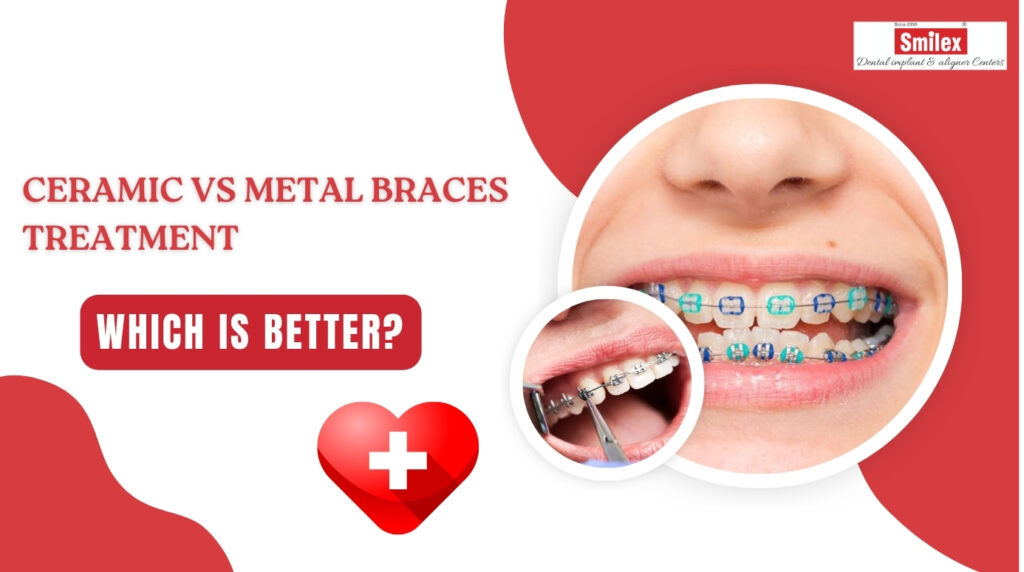
Ceramic vs Metal Braces Treatment | Which is Better?

A beautiful smile can significantly boost your confidence and improve oral health. If you’re considering orthodontic treatment to straighten your teeth, you have likely come across two popular options: ceramic braces and Metal Braces Treatment in Pune. Many patients searching for the best braces treatment in Pune often wonder which option is better for their needs.At Smilex Dental Implants and Aligners Centers, Pune, we help patients choose the most suitable orthodontic solution based on their dental condition, lifestyle, and budget. In this guide, we’ll compare ceramic and metal braces to help you make an informed decision.

Understanding Braces Treatment

Braces are orthodontic devices used to correct crooked teeth, overcrowding, gaps, bite issues, and jaw alignment problems. They work by applying continuous pressure to move teeth into their ideal positions over time.

The two most common types of braces are:

  • Metal Braces
  • Ceramic Braces

Both treatments are highly effective, but they differ in appearance, comfort, durability, and cost.

What Are Metal Braces?

Metal braces are the traditional orthodontic treatment option. They consist of high-grade stainless steel brackets and wires attached to the teeth.

Benefits of Metal Braces

1. Highly Effective for Complex Cases

Metal braces are often recommended for severe misalignment, overcrowding, and complicated bite correction cases.

2. Durable and Strong

Made from strong stainless steel, metal braces can withstand daily wear and tear without breaking easily.

3. Faster Results in Some Cases

Due to their strength, metal braces can sometimes achieve desired results more quickly than ceramic braces.

4. Cost-Effective

Metal braces are generally more affordable than ceramic braces, making them a popular choice for patients seeking budget-friendly orthodontic treatment in Pune.

Drawbacks of Metal Braces

  • More noticeable appearance
  • May cause mild irritation initially
  • Less aesthetically appealing for adults and professionals

What Are Ceramic Braces?

Ceramic braces function similarly to metal braces but use tooth-colored or clear brackets that blend with your natural teeth.

Benefits of Ceramic Braces

1. Aesthetic Appearance

One of the biggest advantages of ceramic braces is their discreet look. They are much less noticeable than metal braces.

2. Ideal for Adults and Professionals

Many working professionals, college students, and adults prefer ceramic braces because they offer a more natural appearance during treatment.

3. Effective Orthodontic Correction

Ceramic braces can successfully treat most orthodontic issues, including crooked teeth, spacing, and bite problems.

4. Boosts Confidence During Treatment

Since ceramic braces are less visible, patients often feel more confident while smiling and speaking.

Drawbacks of Ceramic Braces

  • More expensive than metal braces
  • Slightly more fragile
  • May require extra care to avoid staining
  • Treatment can sometimes take a little longer

Ceramic Braces vs Metal Braces: Key Comparison

Appearance

Ceramic braces are significantly less visible because they blend with the natural tooth color. Metal braces are more noticeable.

Winner: Ceramic Braces

Durability

Metal braces are stronger and less likely to break compared to ceramic braces.

Winner: Metal Braces

Treatment Effectiveness

Both options are highly effective. However, metal braces may be preferred for severe orthodontic corrections.

Winner: Metal Braces

Comfort

Modern ceramic braces have smooth edges and are generally comfortable, though both types require an adjustment period.

Winner: Tie

Cost

Metal braces are more affordable than ceramic braces.

Winner: Metal Braces

Aesthetics

For patients concerned about appearance, ceramic braces provide a clear advantage.

Winner: Ceramic Braces

Which Braces Are Better for You?

The answer depends on your individual needs and priorities.

Choose Metal Braces if you:

  • Want a budget-friendly orthodontic treatment
  • Have severe alignment issues
  • Prefer maximum durability
  • Want potentially faster correction

Choose Ceramic Braces if you:

  • Prefer a discreet appearance
  • Are a working professional or adult
  • Are comfortable with a slightly higher investment
  • Want a more aesthetic smile during treatment

Braces Treatment in Pune at Smilex Dental Implants and Aligners Centers

At Smilex Dental Implants and Aligners Centers, we provide advanced orthodontic treatments using modern technology and personalized treatment planning.

Our orthodontic specialists evaluate your teeth, bite, and smile goals before recommending the most suitable braces option.

Why Choose Smilex Dental Implants and Aligners Centers?

  • Experienced orthodontists
  • Advanced dental technology
  • Personalized treatment plans
  • Affordable braces treatment options
  • Comfortable and patient-friendly environment
  • Comprehensive dental care under one roof

Whether you choose ceramic braces or metal braces, our team ensures safe, effective, and comfortable treatment to help you achieve a perfectly aligned smile.

Cost of Ceramic and Metal Braces in Pune

The cost of braces treatment varies depending on:

  • Complexity of the case
  • Treatment duration
  • Type of braces selected
  • Additional orthodontic requirements

Generally:

  • Metal Braces are more affordable.
  • Ceramic Braces are slightly more expensive due to their aesthetic design.

For an accurate treatment estimate, it is best to schedule a consultation with an orthodontic specialist.

Conclusion

Both ceramic and metal braces are excellent solutions for correcting misaligned teeth and improving oral health. If aesthetics are your priority, ceramic braces may be the better choice. If you want a cost-effective and highly durable option, metal braces remain an excellent solution.The best way to determine the right treatment is through a professional orthodontic consultation. At Smilex Dental Implants and Aligners Centers, Pune, we help patients achieve healthier, straighter, and more confident smiles with customized orthodontic care.

Contact Us

Smilex Dental Implants and Aligners Centers
📞 Mobile: +91 97654 07660

Book your consultation today and take the first step toward a beautiful, confident smile.

Frequently Asked Questions (FAQs)

1. Are ceramic braces better than metal braces?

Ceramic braces are better for aesthetics, while metal braces are generally stronger and more affordable. The best option depends on your specific needs.

2. How much do ceramic braces cost in Pune?

The cost varies based on treatment complexity and duration. Ceramic braces are usually more expensive than traditional metal braces.

3. Do ceramic braces stain easily?

The brackets themselves resist staining, but elastic bands may discolor if proper oral hygiene is not maintained.

4. Which braces work faster: ceramic or metal?

Metal braces may work slightly faster in some complex cases due to their strength and durability.

5. Are ceramic braces suitable for adults?

Yes, ceramic braces are highly popular among adults and professionals because they are less visible.

6. How long does braces treatment take?

Most orthodontic treatments take between 12 to 24 months, depending on the severity of the dental issue.

7. Do braces hurt?

Patients may experience mild discomfort after adjustments, but the sensation usually subsides within a few days.

8. Can I eat normally with braces?

You can eat most foods, but sticky, hard, and chewy foods should be avoided to prevent damage to the braces.

9. Why should I choose Smilex Dental Implants and Aligners Centers for braces treatment in Pune?

Smilex offers expert orthodontic care, modern treatment techniques, personalized planning, and comprehensive dental solutions for patients of all ages.

10. How do I book an appointment?

You can call +91 97654 07660 to schedule your consultation and discuss the best braces treatment option for your smile.

Call : +91 97654 07660

Address: 3rd Floor, Rahul Capital, Prabhat Road, Erandwane, Pune, Maharashtra 411004

Traditional Braces vs Modern Orthodontics | What’s Changed in 2026?

A confident smile can transform your appearance, boost self-esteem, and improve oral health. Over the years, orthodontic treatment has evolved significantly, offering patients more comfortable, discreet, and efficient options for correcting misaligned teeth. In 2026, the comparison between traditional braces and modern orthodontics is more relevant than ever, as advanced technologies continue to reshape the way people achieve their dream smiles.At Smilex Dental Implants and Aligners Centers, Dr. Sonali Deshmukh (M.D.S.), Chief Orthodontist and Aligner Specialist with 25 years of experience, helps patients choose the most suitable treatment based on their dental needs, lifestyle, and smile goals.

Understanding Traditional Braces

Traditional braces have been a trusted orthodontic solution for decades. Metal brackets that are attached to the teeth and connected by wires are used to progressively shift the teeth into the appropriate positions. 

Benefits of Traditional Braces

  • Effective for complex orthodontic cases
  • Suitable for severe crowding and bite correction
  • Delivers predictable and reliable results
  • Works continuously without relying on patient compliance

Limitations of Traditional Braces

  • Highly visible appearance
  • Food restrictions during treatment
  • Difficulty maintaining oral hygiene
  • Potential discomfort from wires and brackets
  • Frequent orthodontic adjustment appointments

Although traditional braces remain effective, many patients today seek less noticeable and more convenient alternatives.

Modern Orthodontics’ Ascent in 2026 

Modern orthodontics combines advanced digital technology, customized treatment planning, and innovative appliances to deliver better patient experiences and improved outcomes.

One of the biggest advancements is the widespread use of clear aligners, often referred to as invisible braces. These transparent, removable trays gradually shift teeth into proper alignment without the need for metal brackets or wires.

Modern orthodontic treatments are designed to be:

  • More comfortable
  • More aesthetic
  • More predictable
  • Faster in many cases
  • Easier to maintain

Clear Aligners: The Modern Alternative

Clear aligners have revolutionized orthodontic care. Using 3D digital scans and advanced treatment software, orthodontists create a customized series of aligners that progressively move teeth.

Advantages of Clear Aligners

Nearly Invisible Appearance

One of the primary reasons patients choose aligners is their discreet look. Adults and teenagers can undergo treatment without the noticeable appearance of traditional braces.

Removable Convenience

Unlike braces, aligners can be removed while eating, brushing, and flossing. This allows patients to maintain excellent oral hygiene throughout treatment.

Enhanced Comfort

Modern aligners are made from smooth medical-grade plastic, eliminating the irritation commonly associated with metal brackets and wires.

Digital Treatment Planning

Advanced orthodontic software allows patients to visualize their future smile before treatment even begins. This technology improves treatment accuracy and patient confidence.

Fewer Clinic Visits

Many aligner treatments require fewer adjustment appointments compared to traditional braces, making them ideal for busy professionals and students.

Technology Driving Orthodontics in 2026

Orthodontics has experienced remarkable technological advancements in recent years.

Digital Smile Design

Orthodontists can now create highly accurate treatment plans using digital scans instead of traditional dental impressions.

Artificial Intelligence Integration

AI-powered software helps analyze tooth movement patterns and optimize treatment plans, improving efficiency and predictability.

3D Imaging and Scanning

Modern scanners provide detailed images of the teeth and jaw, allowing orthodontists to identify issues with greater precision.

Customized Orthodontic Solutions

Every patient receives a personalized treatment plan tailored to their dental structure, bite alignment, and smile goals.

These innovations make orthodontic treatment more effective and comfortable than ever before.

Traditional Braces vs Modern Orthodontics: Key Differences

FeatureTraditional BracesModern Orthodontics (Clear Aligners)
AppearanceVisible metal bracketsNearly invisible
ComfortMay cause irritationSmooth and comfortable
Oral HygieneMore challengingEasier brushing and flossing
Food RestrictionsMany restrictionsNo major restrictions
Treatment PlanningManual adjustmentsDigital precision planning
Clinic VisitsMore frequentOften fewer visits
Lifestyle ConvenienceModerateHigh

Which Option Is Right for You?

Several factors determine the optimal orthodontic treatment: 

  • Severity of misalignment
  • Bite correction requirements
  • Age of the patient
  • Lifestyle preferences
  • Treatment goals
  • Budget considerations

For some complex cases, traditional braces may still be the most effective option. However, many patients today are excellent candidates for clear aligners and other modern orthodontic solutions.

A comprehensive consultation with an experienced orthodontist is essential to determine the most suitable treatment.

Why Choose Smilex Dental Implants and Aligners Centers?

At Smilex Dental Implants and Aligners Centers, patients benefit from advanced orthodontic care guided by expertise and technology.

Why Patients Trust Us

  • 25 years of orthodontic experience
  • Personalized treatment planning
  • Advanced digital orthodontic technology
  • Expertise in clear aligners and smile correction
  • Comfortable and patient-focused care

Under the guidance of Dr. Sonali Deshmukh (M.D.S.), Chief Orthodontist and Aligner Specialist, patients receive customized care designed to achieve healthy, beautiful, and lasting smiles.

Conclusion

Orthodontics in 2026 is vastly different from what it was just a decade ago. While traditional braces continue to be a reliable treatment option, modern orthodontics offers patients greater comfort, convenience, aesthetics, and precision through innovations such as clear aligners and digital treatment planning.Whether you’re considering braces for your child or exploring invisible aligners for yourself, choosing the right orthodontic treatment can significantly impact your oral health and confidence.

If you’re ready to transform your smile, schedule a consultation with Dr. Sonali Deshmukh at Smilex Dental Implants and Aligners Centers and discover the latest advancements in modern orthodontics.

Contact Us

Smilex Dental Implants and Aligners Centers
Dr. Sonali Deshmukh (M.D.S.)
Chief Orthodontist and Aligner Specialist
25 Years of Experience
📞  +91 97654 07660

Frequently Asked Questions (FAQs)

1. Are clear aligners better than traditional braces?

Clear aligners offer improved aesthetics, comfort, and convenience. However, traditional braces may still be recommended for complex orthodontic cases.

2. How long does orthodontic treatment take?

Treatment duration varies depending on the severity of alignment issues. Most treatments typically range from 12 to 24 months.

3. Are clear aligners suitable for adults?

Yes. Clear aligners are highly popular among adults because they are discreet, removable, and effective.

4. Do clear aligners hurt?

Patients may experience mild pressure when switching to a new aligner tray, but aligners are generally more comfortable than traditional braces.

5. Can I eat normally with clear aligners?

Yes. Aligners are removed before eating, allowing patients to enjoy their favorite foods without restrictions.

6. How often should I visit the orthodontist during treatment?

The frequency of visits depends on your treatment plan. Aligner patients typically require fewer appointments than those with traditional braces.

7. Is orthodontic treatment only for teenagers?

No. Modern orthodontic treatments are suitable for children, teenagers, and adults of all ages.

8. How do I know whether I need braces or aligners?

A professional consultation with an experienced orthodontist is the best way to determine the most appropriate treatment option for your specific needs.

Call : +91 97654 07660

Address: 3rd Floor, Rahul Capital, Prabhat Road, Erandwane, Pune, Maharashtra 411004

Orthodontist vs. Dentist | Who Should You Visit for Teeth Straightening?

A beautiful smile can boost confidence, improve oral health, and leave a lasting impression. However, when it comes to correcting crooked teeth, gaps, overbites, or misaligned jaws, many people wonder: Should I visit a dentist or an orthodontist for teeth straightening? If you are considering Braces Treatment in Pune for correcting misaligned teeth, choosing the right specialist is essential for successful results.While both professionals play an important role in oral healthcare, understanding the difference between a dentist and an orthodontist can help you choose the right specialist for your treatment.In this guide, we’ll explain who is best suited for teeth straightening, braces, and clear aligner treatments, helping you make an informed decision 

“Confused whether you need a dentist or an orthodontist for braces or Invisalign? At Smilex Dental Implants & Aligners Centers, our orthodontic experts can evaluate your smile and recommend the most effective treatment plan.”

Who Is a Dentist?

A dentist is a healthcare professional who diagnoses, treats, and prevents oral health problems related to teeth, gums, and the mouth.

Common Dental Services Include:

  • Routine dental checkups
  • Teeth cleaning and scaling
  • Dental fillings
  • Root canal treatment
  • Tooth extractions
  • Dental crowns and bridges
  • Gum disease treatment
  • Preventive dental care

Dentists complete a Bachelor of Dental Surgery (BDS) degree and are trained to handle general oral healthcare needs.While some dentists may offer basic orthodontic treatments, complex teeth alignment issues usually require the expertise of an orthodontist.

Who Is an Orthodontist?

An orthodontist is a dental specialist who undergoes additional years of advanced education after dental school to focus exclusively on correcting misaligned teeth and jaw irregularities.

Orthodontists Specialize In:

  • Teeth straightening treatments
  • Metal braces
  • Ceramic braces
  • Self-ligating braces
  • Clear aligners
  • Bite correction
  • Jaw alignment problems
  • Retainers and post-treatment care

An orthodontist earns an MDS (Master of Dental Surgery) degree in Orthodontics and Dentofacial Orthopedics, making them experts in smile correction and facial harmony.

At Smilex Dental Implants and Aligners Centers, Dr. Sonali Deshmukh (M.D.S.), with over 25 years of orthodontic experience, specializes in advanced braces and clear aligner treatments for children, teenagers, and adults.

Dentist vs. Orthodontist: What’s the Difference?

FeatureDentistOrthodontist
EducationBDS DegreeBDS + MDS Orthodontics
FocusGeneral Oral HealthTeeth & Jaw Alignment
Routine Dental CareYesLimited
Braces TreatmentBasic CasesSpecialized
Clear AlignersSome CasesAdvanced Expertise
Bite CorrectionLimitedExpert Level
Complex Alignment IssuesUsually ReferTreat Directly

When Should You Visit a Dentist?

You should visit a dentist if you need:

  • Regular dental examinations
  • Tooth pain treatment
  • Cavities and fillings
  • Gum care
  • Teeth cleaning
  • Oral hygiene guidance
  • Preventive dental services

A dentist often serves as your first point of contact for oral health concerns and may refer you to an orthodontist if teeth alignment treatment is needed.

When Should You Visit an Orthodontist?

Visit an orthodontist if you have:

Crooked Teeth

Both beauty and dental hygiene can be impacted by misaligned teeth. 

Gaps Between Teeth

Large spaces may lead to bite issues and aesthetic concerns.

Overbite or Underbite

Jaw alignment problems can impact chewing, speaking, and facial appearance.

Crowded Teeth

Overlapping teeth make cleaning difficult and increase cavity risk.

Open Bite

When upper and lower teeth don’t meet properly during biting.

Jaw Pain Due to Misalignment

Improper bite relationships may contribute to discomfort and TMJ issues.

Why an Orthodontist Is the Better Choice for Teeth Straightening

Many patients search online for:

  • Best orthodontist near me
  • Teeth straightening specialist
  • Braces doctor near me
  • Clear aligner expert
  • Invisible braces treatment

The reason is simple: orthodontists receive years of specialized training focused entirely on moving teeth safely and effectively.

Advantages of Choosing an Orthodontist

Accurate Diagnosis

Orthodontists use advanced digital scans, X-rays, and treatment planning tools.

Customized Treatment Plans

Every smile is unique. Orthodontists design personalized treatment strategies.

Better Results

Specialized training often leads to more predictable and long-lasting outcomes.

Advanced Technology

Modern orthodontists use digital smile design, 3D scans, and clear aligner systems.

Management of Complex Cases

Severe crowding, bite problems, and jaw discrepancies require specialist care.

Teeth Straightening Options Available Today

Metal Braces

Traditional braces remain one of the most effective solutions for complex alignment issues.

Best For:

  • Severe crowding
  • Bite correction
  • Teenagers and adults

Ceramic Braces

These braces blend with the natural tooth color, making them less noticeable.

Best For:

  • Patients seeking aesthetic treatment

Self-Ligating Braces

Modern braces designed for greater comfort and fewer appointments.

Clear Aligners

Clear aligners have become one of the most popular alternatives to braces.

Benefits Include:

  • Nearly invisible appearance
  • Removable convenience
  • Comfortable fit
  • Easier oral hygiene
  • No food restrictions

At Smilex Dental Implants and Aligners Centers, patients can receive customized clear aligner treatment under the supervision of an experienced orthodontic specialist.

Why Choose Smilex Dental Implants and Aligners Centers?

Choosing the right orthodontic clinic is crucial because it ensures you receive expert care, personalized treatment plans, and quality results that improve both function and appearance. Would you like tips on how to select the best clinic?

What Sets Us Apart?

✔ 25+ Years of Orthodontic Experience

✔ 10,000+ Successful Smile Transformations

✔ Led by Dr. Sonali Deshmukh (M.D.S.)

✔ Advanced Digital Treatment Planning

✔ Clear Aligners & Modern Braces

✔ Personalized Smile Design

✔ Patient-Centered Care

✔ Affordable Treatment Options

✔ Proven Track Record of Successful Smile Transformations

✔ Affordable EMI Plans

✔ Personalized Treatment Plans

Our goal is to provide safe, comfortable, and effective teeth straightening solutions tailored to each patient’s needs.

Conclusion

If your goal is simply maintaining oral health, a general dentist is the right choice. However, when it comes to teeth straightening, braces treatment, clear aligners, bite correction, and smile enhancement, an orthodontist offers specialized expertise that can make a significant difference in your results.Whether you’re considering braces for your child or clear aligners for yourself, consulting an experienced orthodontist ensures a customized treatment plan and optimal outcome.

At Smilex Dental Implants and Aligners Centers, Dr. Sonali Deshmukh (M.D.S.), Chief Orthodontist and Aligner Specialist, brings over 25 years of expertise in creating healthy, confident smiles.

📞 Book Your Consultation Today:  +91 97654 07660

Frequently Asked Questions (FAQs)

1. Is an orthodontist better than a dentist for braces?

Yes. Orthodontists receive specialized training in teeth movement, bite correction, and braces treatment, making them the preferred experts for orthodontic care.

2. Can a dentist straighten teeth?

Some dentists offer basic orthodontic services, but complex teeth straightening cases are typically managed by orthodontists.

3. What is the difference between braces and clear aligners?

Braces use fixed brackets and wires, while clear aligners are removable transparent trays that gradually move teeth into position.

4. How long does teeth straightening treatment take?

Treatment duration varies depending on the complexity of the case, typically ranging from 6 months to 24 months.

5. Are clear aligners effective for adults?

Yes. Clear aligners are highly effective for many adult orthodontic cases and are a popular alternative to traditional braces.

6. At what age should orthodontic treatment begin?

The first orthodontic evaluation is recommended around age 7, although treatment can be successful at almost any age.

7. Do braces hurt?

Patients may experience mild discomfort after adjustments, but modern orthodontic treatments are designed to be more comfortable than ever.

8. How much does teeth straightening cost?

Costs vary depending on treatment type and case complexity. A consultation with an orthodontist can provide an accurate estimate.

9. Can I get braces or Invisalign on EMI in Pune?

Yes, Smilex Dental Implants & Aligners Centers offers flexible EMI options for eligible patients.

10. Can I get a free orthodontic consultation?

Contact our clinic to learn about current consultation offers and smile assessment options.

Call : +91 97654 07660

Address: 3rd Floor, Rahul Capital, Prabhat Road, Erandwane, Pune, Maharashtra 411004

icon
icon